News
Which Plastic Cores Don't Break Easily on the Production Line? A Guide for Plant Managers
Are broken winding cores causing downtime? Learn why heavy duty reusable ABS cores for textile industry are the ultimate solution for zero-breakage and high ROI.
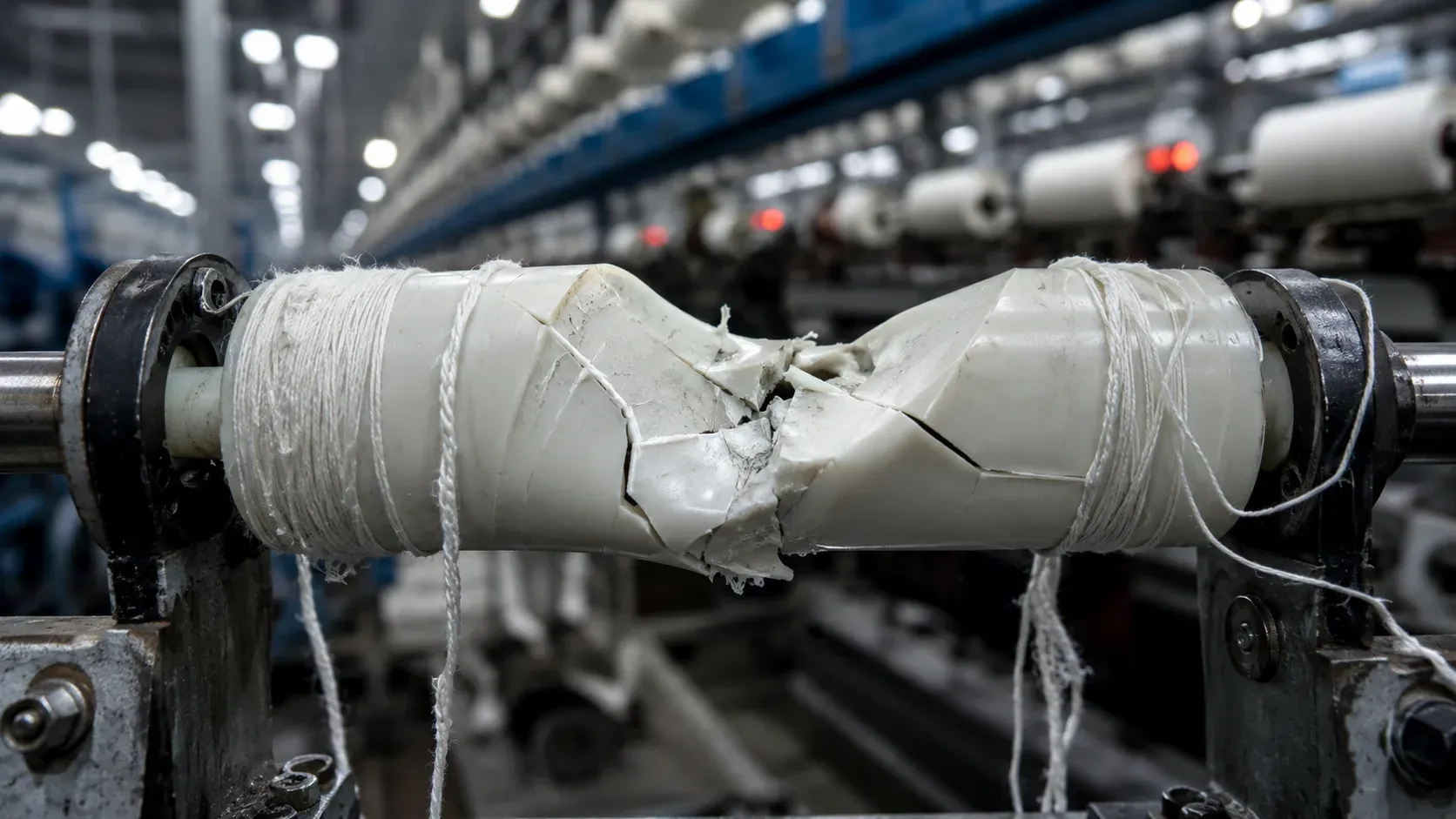
As a plant manager or production supervisor in the textile industry, you know that efficiency is everything. Yet, one of the most frustrating causes of unplanned downtime often goes unnoticed until it’s too late: winding core failure.
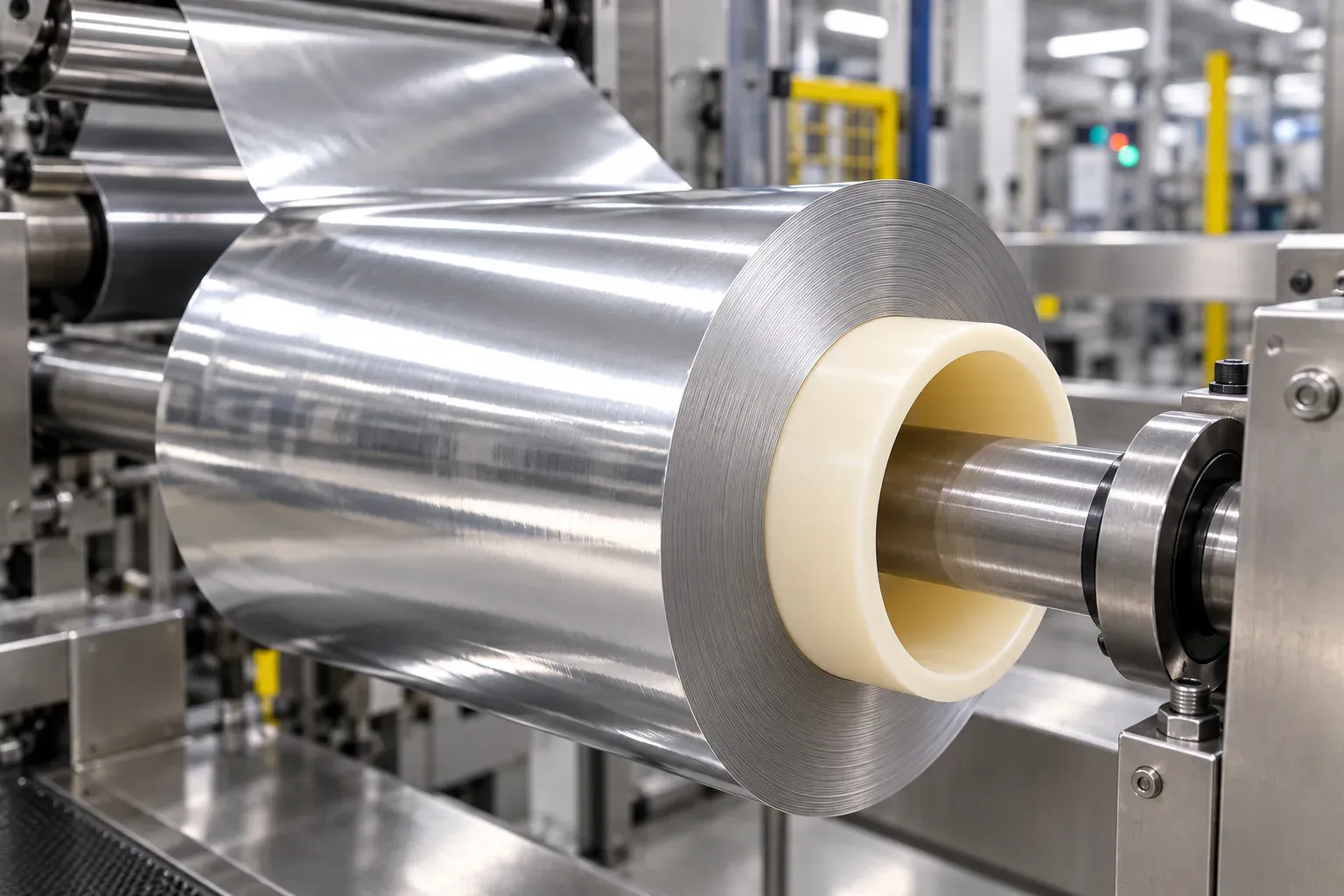
Picture this: your high-speed winding machines are running at peak capacity. Suddenly, a loud snap echoes across the floor. A cheap plastic or paper core has buckled under the immense inward pressure of the yarn. The result? A jammed machine, ruined materials, and a frustrated maintenance team.
If you are constantly battling deformed, cracked, or crushed cores, you are likely losing thousands of dollars annually in hidden costs. So, which plastic cores actually survive the harsh realities of a modern production line? Let’s dive into the engineering behind unbreakable cores.
1. The Hidden Causes of Core Breakage
Before we look at the solution, we must understand why standard cores fail on the production line:
High Winding Tension: Modern textile machinery winds yarn, threads, or fabrics at incredible speeds, creating massive radial (inward) pressure. Standard thin-walled tubes simply cannot withstand this squeeze.
Material Fatigue: Many low-grade plastic cores develop microscopic internal cracks after just a few reuse cycles.
Environmental Stress: The high temperature and humidity typical of textile mills can cause inferior plastics to become brittle or warp over time.
2. Material Matters: The Unbreakable Solution
Not all plastics are created equal. When selecting winding tubes, the material dictates the lifespan:
Paper Cores: Prone to moisture damage and single-use only.
PVC & PP Cores: PVC can be heavy and brittle, while PP (Polypropylene) often lacks the load-bearing capacity for heavy-duty winding.
ABS (Acrylonitrile Butadiene Styrene): This is the gold standard. ABS offers exceptional impact resistance and dimensional stability.
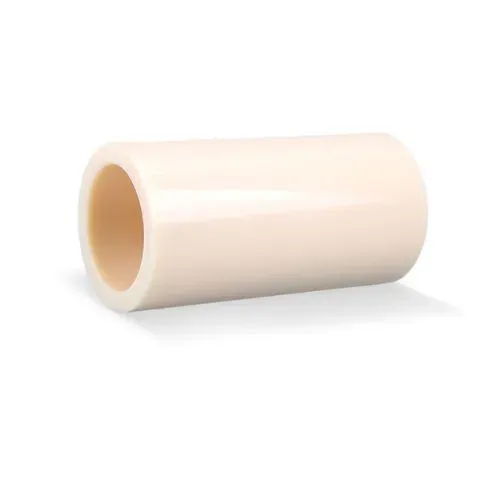
When evaluating materials that can withstand high-speed winding and extreme inward pressure, transitioning to heavy duty reusable ABS cores for textile industry applications is the smartest technical upgrade a plant manager can make. ABS absorbs mechanical shocks without cracking and maintains its exact shape under maximum tension.
3. How to Choose: 3 Specs Every Supervisor Should Check
When upgrading your winding cores, don't just look at the price tag. Evaluate these three critical engineering specifications:
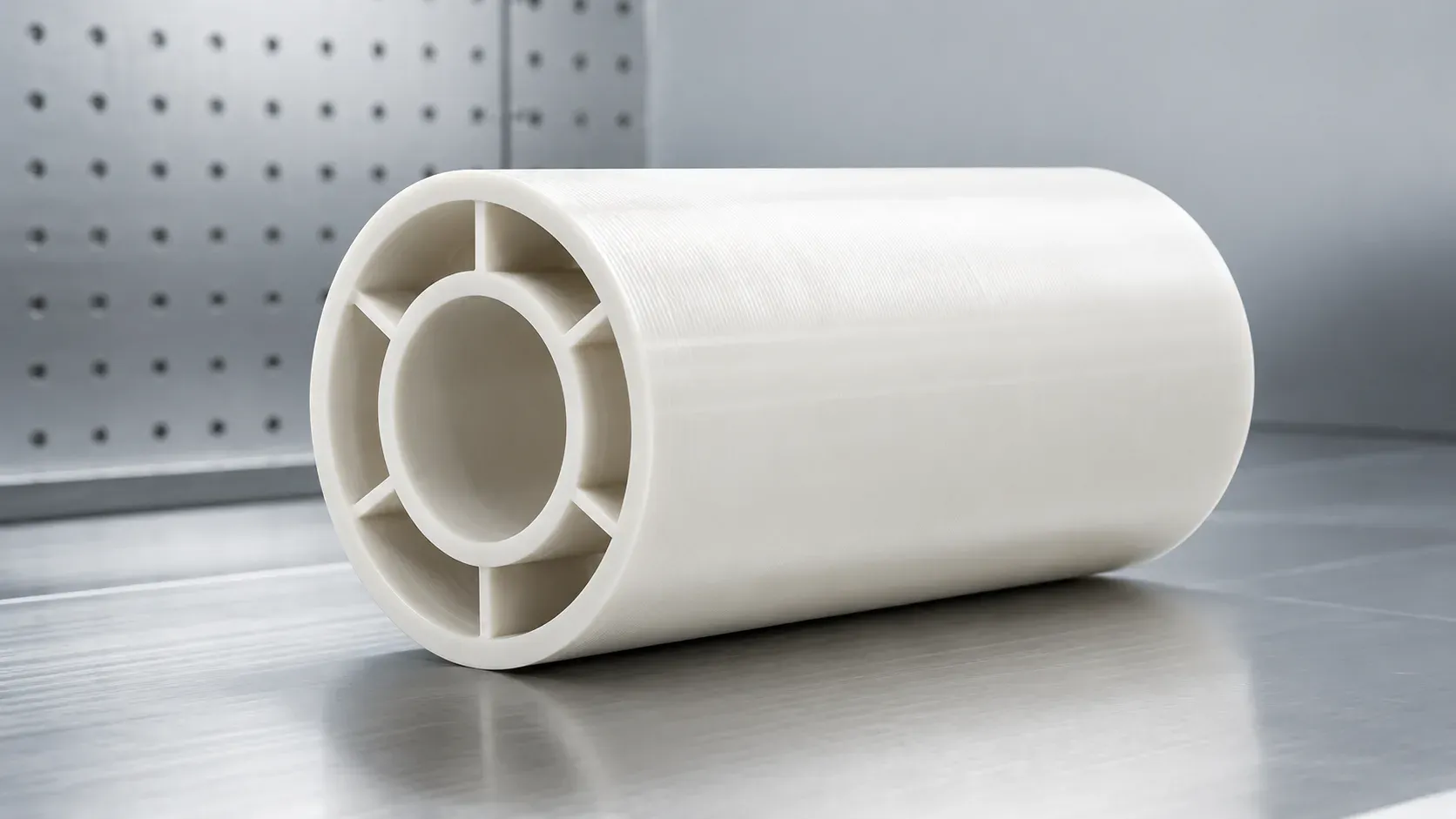
Crush Resistance (Radial Load Capacity): Look for cores designed with reinforced thick walls and internal ribbed structures. Our ABS cores, for example, are engineered to withstand thousands of newtons of radial pressure, ensuring zero deformation even under full yarn loads.
High Concentricity: A core that isn't perfectly round will vibrate at high speeds, leading to uneven winding and potential machine damage. Precision-molded ABS cores guarantee strict concentricity tolerances, ensuring smooth, vibration-free operation.
True Reusability Lifecycle: A quality core should survive years, not weeks. High-grade ABS resists wear and tear at the edges, ensuring it can cycle through your supply chain repeatedly without degradation.
4. Real-World ROI: Less Breakage, More Profit
Upgrading your cores is not an expense; it’s a capital investment with a measurable Return on Investment (ROI).
Consider the experience of a large-scale textile client we recently partnered with. They were previously losing roughly $20,000 a month in wasted yarn and experiencing 5 hours of weekly machine downtime due to snapped PVC and paper cores.
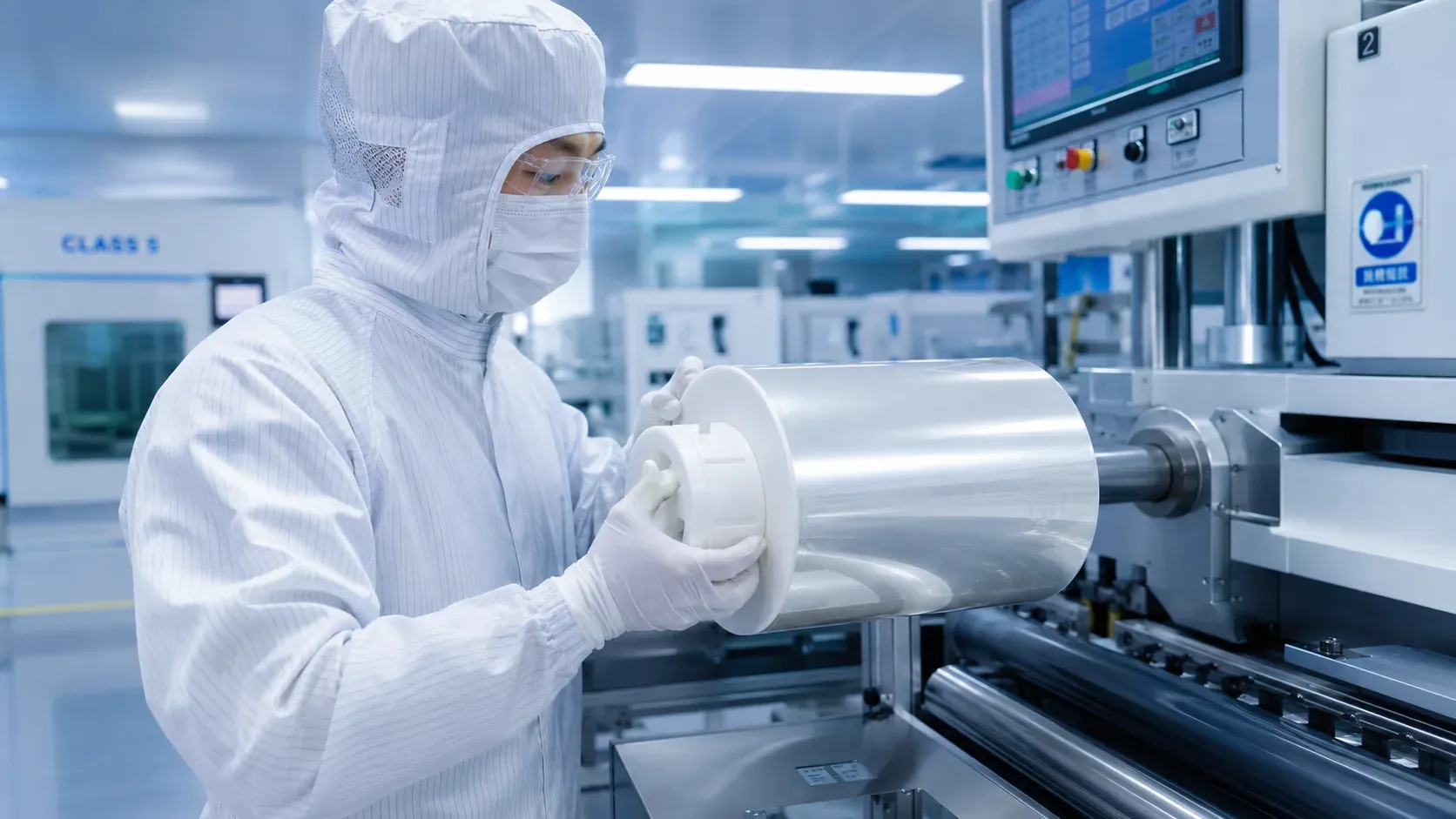
After replacing their inventory with our heavy-duty ABS cores, their core breakage rate plummeted to 0.01%. Furthermore, because these ABS cores can be reused for years, their overall consumable purchasing costs dropped by 40% in the second year. They stopped buying cheap replacements and started investing in reliability.
5. Conclusion: Moving Towards a Zero-Downtime Production Line
Quality winding cores are the unsung heroes of a highly efficient textile mill. By choosing the right material and prioritizing structural integrity, you eliminate material waste, reduce machine wear, and make floor management significantly easier.
Are you still struggling with deformed or broken cores on your winding machines?Don't let cheap plastics dictate your production schedule. Contact our engineering team today to request a sample of our heavy-duty ABS cores, and let's test them on your toughest production line.