News
What is the Best Plastic Material for Winding Sensitive Electronic Films? An Engineering Perspective
Struggling with film defects? Discover the best plastic core material (PE vs. ABS vs. HIPS) for sensitive electronic films. Learn why a high precision cleanroom PE core for optical film and ±0.1mm tol
Introduction
In the production of high-end optical films or lithium battery separators, yield is the ultimate metric of success. As an R&D engineer, you spend countless hours optimizing coating formulations and curing processes. However, have you considered the foundation upon which your product rests?
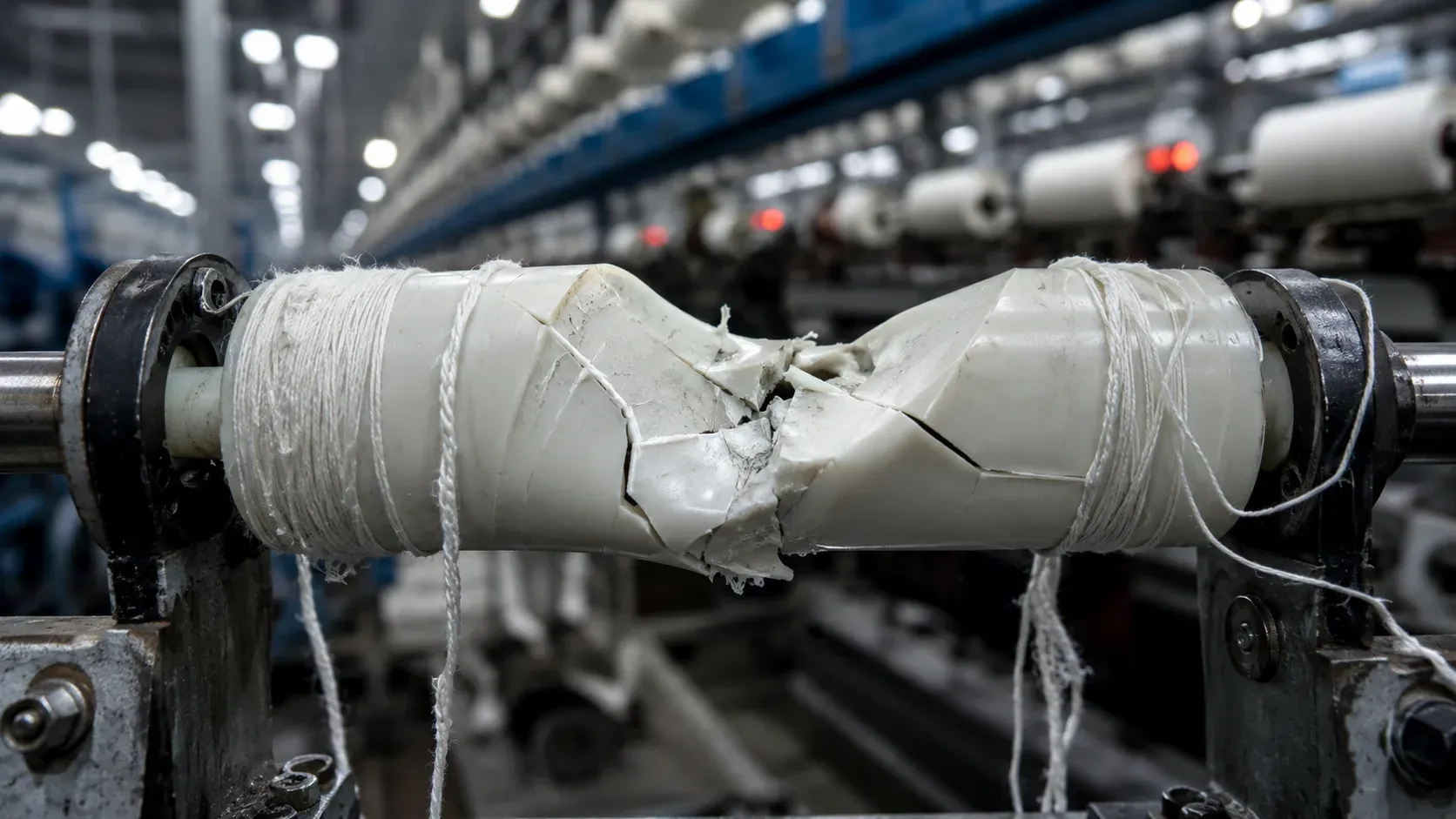
The winding core is often an overlooked variable, yet a mismatch in material selection can lead to fatal defects—such as "crystal points," "rainbow patterns," or core collapse due to tension failure.
At Suzhou D-top Plastic Technology, we understand that there is no single "perfect" material. There is only the "best fit" solution based on your specific process parameters. In this guide, we analyze the most common core materials—PE, ABS, and HIPS—from a material science and precision manufacturing perspective to help you make the right choice for your sensitive electronic films.
1. Cleanliness First: Why PE is the Standard for Optical Applications
For applications where surface cleanliness is the primary KPI—such as TFT-LCD polarizers, protective films, or release liners—Polyethylene (PE) is often the material of choice.
PE offers excellent chemical stability and toughness. Unlike paper cores, it generates no dust. Unlike some harder plastics, it is less prone to chipping during cutting or handling. However, the raw material is only half the story.
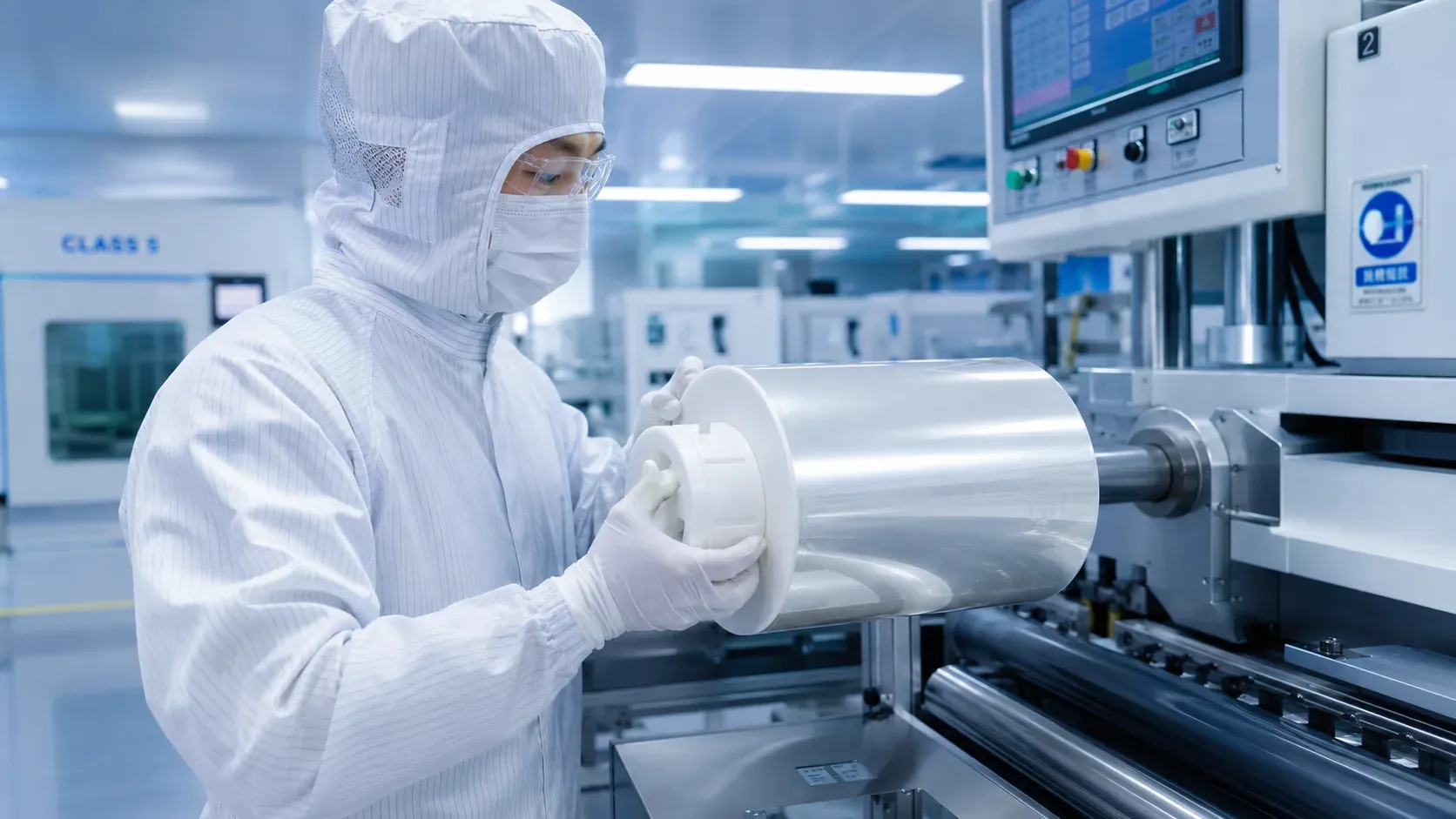
For sensitive optical applications, the manufacturing environment is just as critical as the resin itself. A standard PE core extruded in an open factory can still carry electrostatic dust that ruins a film roll.
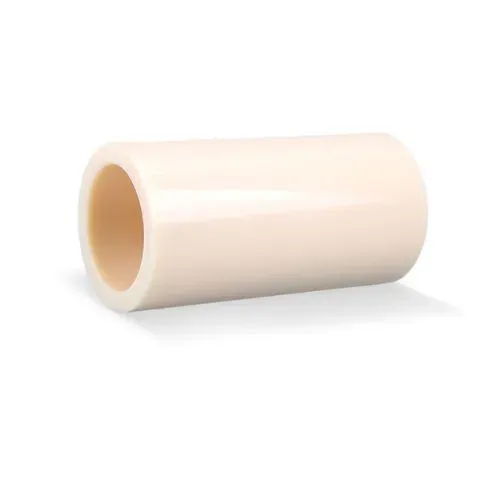
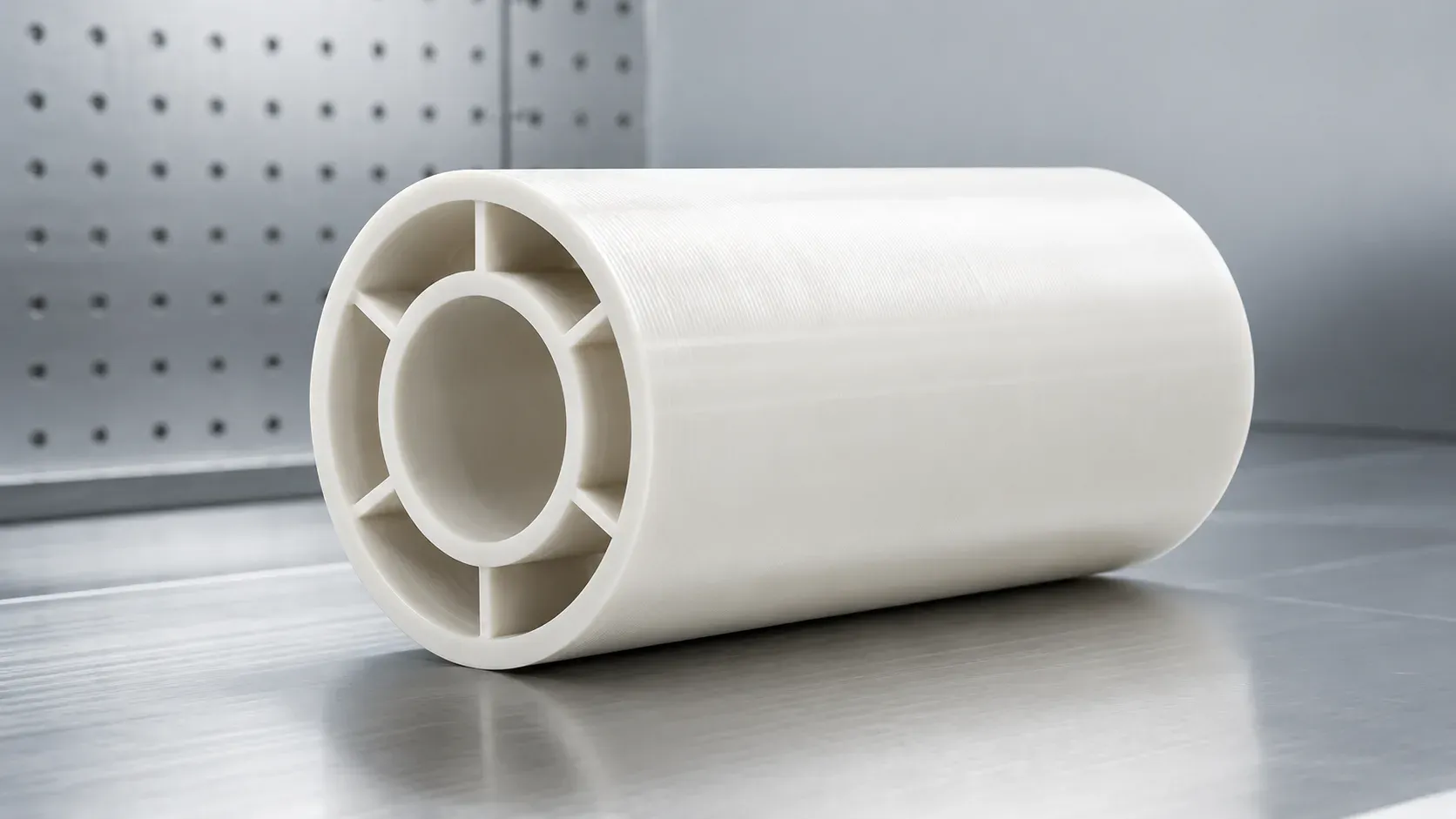
The Engineering Solution:To guarantee a defect-free surface, you must specify a [high precision cleanroom PE core for optical film].At Suzhou Dingshang, we produce these cores within a Class 10,000 Cleanroom environment. This ensures that the core is "chipless and dust-free" from extrusion to packaging, eliminating the risk of foreign particle contamination at the source.
2. The Battle of Rigidity: When to Choose ABS or HIPS
While PE excels in cleanliness, it has a lower Young's modulus (stiffness). For applications requiring high winding tension or long-term storage stability, PE may deform or "creep," leading to telescoped rolls.
This is where ABS (Acrylonitrile Butadiene Styrene) and HIPS (High Impact Polystyrene) come into play.
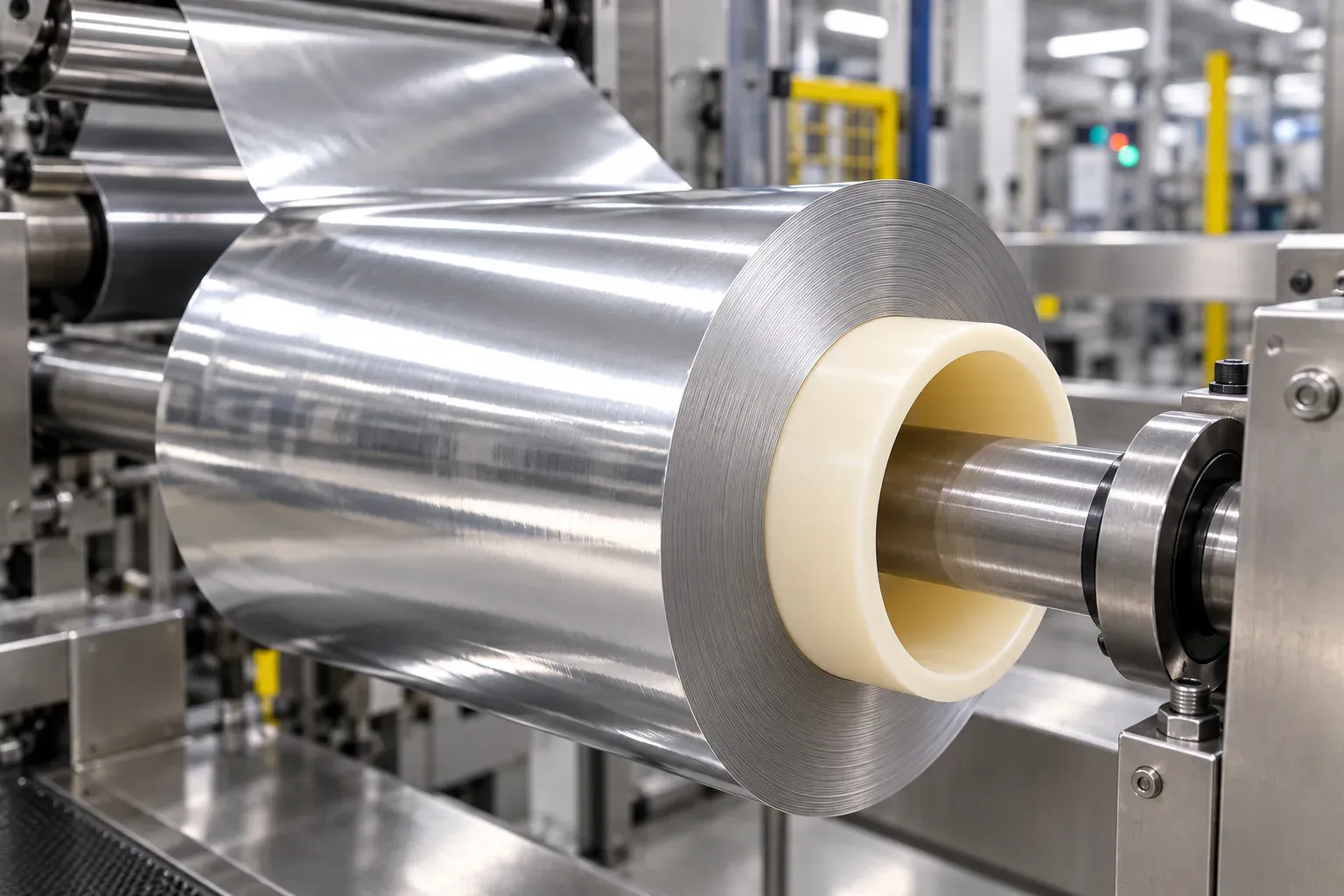
ABS for High Tension & Reusability:If you are winding lithium battery separators or solar backsheets, the hoop stress on the core can be immense. ABS is the superior choice here due to its high strength, excellent rigidity, and low shrinkage rates.
Our Advantage: We utilize high-grade imported polymers to ensure our ABS cores can withstand high-speed winding without deformation. Furthermore, their durability makes them ideal for internal turnover and reuse, reducing long-term costs.
HIPS for Dimensional Stability:For precision electronic films that require a balance between hardness and cost, HIPS offers better dimensional stability and a harder surface than PE. It is an excellent alternative when the core needs to maintain strict geometry under moderate tension.
3. Beyond the Material: Precision Machining & Functional Design
Selecting the right resin is only step one. For an automated winding line running at high speeds, the geometric tolerance of the core is what determines runability.
A core with poor concentricity or straightness will cause vibration (run-out), leading to uneven coating or winding patterns.
What to Look for in a Supplier:
Micron-Level Tolerance: Don't settle for "standard" tolerances. Demand precision. We offer cutting tolerances as tight as ±0.1mm for specific applications, ensuring perfect alignment on your chucks.
Functional Surface Design: The start of the winding process is often where wrinkles occur. To solve this, look for "Deep Processing" capabilities. We offer "Tapered Ramp" (surface beveling) processing, which allows the film to transition smoothly onto the core, significantly reducing startup waste. We also provide surface slotting to prevent slippage during high-torque acceleration.
Conclusion
So, what is the best plastic material for winding sensitive electronic films?
Choose Cleanroom PE if your priority is absolute surface cleanliness for optical films.
Choose ABS if your priority is high strength, low shrinkage, and reusability for battery or solar applications.
Choose HIPS for a balance of rigidity and precision.
But regardless of the material, ensure your supplier can deliver Class 10,000 cleanliness and ±0.1mm precision.
Ready to optimize your winding process?If you are developing a new film product or facing yield issues with your current cores, contact our technical team today. Let us provide you with a datasheet for our high precision cleanroom PE core for optical film or discuss a custom ABS solution tailored to your tension requirements.
[Contact Us for a Free Sample & Technical Consultation]