News
Understanding Anti-Static (ESD) Plastic Cores for Electronic Components
Learn how anti-static (ESD) plastic cores protect electronic carrier tapes and semiconductors from static discharge and cleanroom contamination.
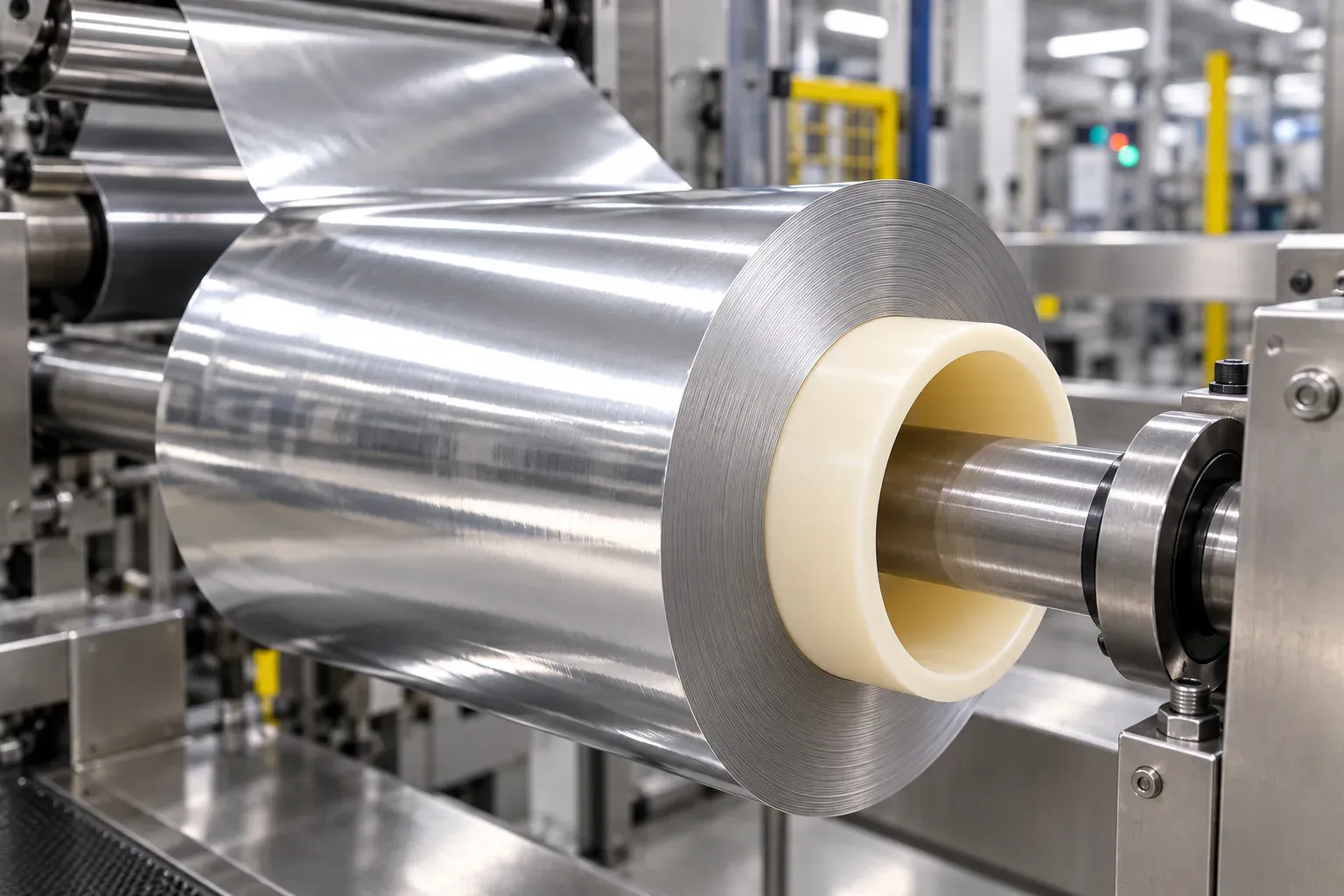
In the microelectronics, semiconductor, and Surface Mount Technology (SMT) industries, Electrostatic Discharge (ESD) is a silent, expensive killer. A sudden ESD event during packaging or high-speed unwinding can instantly destroy sensitive Integrated Circuits (ICs), degrade printed circuits, or attract airborne dust particles in cleanroom environments.
When high-value carrier tapes, cover tapes, or flexible printed circuits (FPCs) are wound onto standard plastic cores, friction generates static charges (triboelectric charging) reaching thousands of volts.
To eliminate static risks, electronics manufacturers must use engineered Anti-Static (ESD) Plastic Cores. Here is a technical guide to understanding how ESD cores protect microelectronics and how to specify the right anti-static plastic cores for your production line.
1. The Hidden Risks of Static in Electronics PackagingStandard plastics like untreated ABS, PVC, or PP are electrical insulators. As materials unspool at high speeds, surface friction builds up static electricity that cannot dissipate. This leads to two major failures:
Catastrophic & Latent ESD Damage: High-voltage static sparks can melt microscopic circuit lines inside microchips, causing immediate failure or latent defects that only show up after the component is delivered to the end customer.
Particulate Contamination: Static charges act like a magnet for airborne dust and micro-particles. In semiconductor and SMT packaging, dust settling on carrier tapes ruins component pick-and-place accuracy.
2. How Anti-Static (ESD) Plastic Cores WorkAnti-static plastic cores are molded by compounding base engineering resins (such as high-strength ABS) with permanent dissipative additives or conductive agents. Rather than allowing static charges to pool on the core's surface, the material safely dissipates the charge into the atmosphere or ground.
In ESD packaging, surface resistivity is classified into three levels:
Anti-Static (
109109 to 10111011 ΩΩ/sq): Suppresses static charge buildup caused by friction.
Static Dissipative (
106106 to 109109 ΩΩ/sq): The gold standard for electronic components. Safely bleeds static charges away gradually.
Conductive (
103103 to 105105 ΩΩ/sq): Allows rapid flow of electricity to ground.
3. Key Features of Cleanroom-Grade ESD Plastic CoresNot all ESD cores are created equal. For high-reliability microelectronics, specify cores engineered with the following properties:
Permanent Dissipative Performance: Avoid cheap cores that rely on temporary surface coatings. Surface coatings wash or rub off over time. Look for cores molded with permanent internal anti-static agents that maintain consistent resistivity for years.
Zero Particulate Generation & Outgassing: Cleanroom-ready ESD cores must be molded from 100% virgin ABS to prevent outgassing or particle shedding that could contaminate sensitive components.
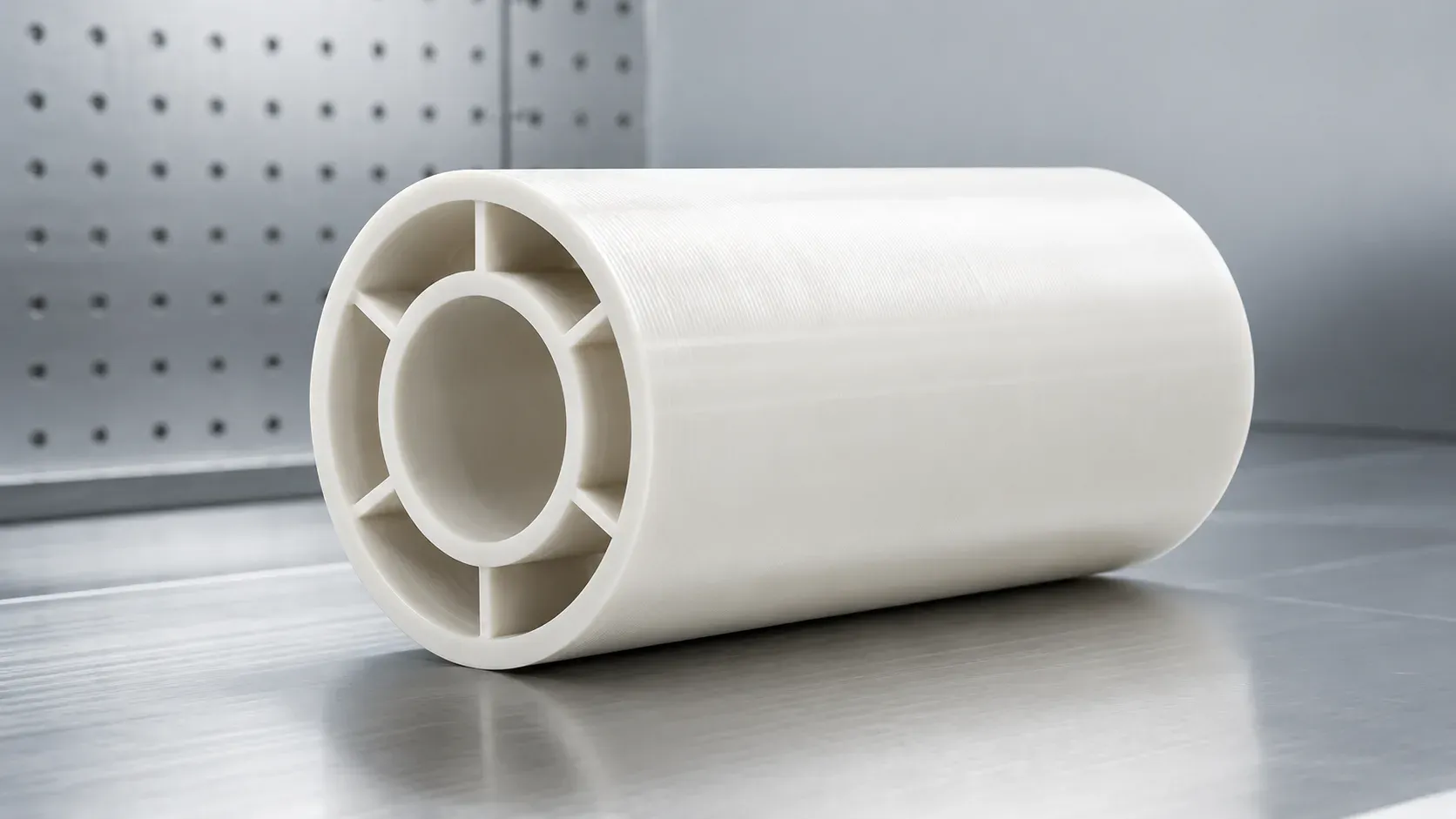
High Radial Crush Resistance: SMT carrier tapes wrapped under high tension demand structural rigidity. Cores molded with internal radial reinforcing ribs ensure zero wall deformation under heavy loads.
To protect your high-value electronics supply chain, switching to precision [anti-static ESD plastic cores - 请在后台给这几个字加上您网站的产品超链接] engineered by D-Top Cores guarantees permanent ESD dissipation (
106106 to
109109
ΩΩ/sq) paired with maximum structural crush strength.
4. Technical Specifications Comparison
Parameter | Standard ABS Core | Cleanroom Anti-Static (ESD) ABS Core (D-Top) |
Surface Resistivity | Insulative ( > 10 12 Ω >1012 Ω /sq) | Static Dissipative ( 10 6 106 - 10 9 Ω 109 Ω /sq) |
ESD Permanence | None | Permanent (Compound additive, won't rub off) |
Base Material | Standard ABS | 100% Virgin ABS with Anti-Static Agent |
Mechanical Structure | Standard Wall / Ribbed | Internal Radial Reinforcing Ribs |
Cleanroom Readiness | Standard | High (Zero dust, low outgassing, IPA washable) |
Primary Application | Flexible Packaging, Textiles | SMT Carrier Tapes, FPCs, Semiconductors |
5. Conclusion & Next StepsProtecting electronic components requires uncompromised static control at every step of packaging and transport. By adopting permanent ESD-dissipative plastic cores, electronics manufacturers can eliminate static damage, maintain cleanroom cleanliness, and boost final component yield.
Need certified ESD-safe cores for your electronics packaging line?Don't risk latent static damage to sensitive microchips. Contact our technical engineering team at D-Top Cores today for surface resistivity test reports and to request free ESD core samples. Email us at: dingshangcores@gmail.com.