News
The Pros and Cons of Reusable Plastic Cores vs. Cardboard Tubes
Compare the pros and cons of reusable plastic cores vs. cardboard tubes. Learn how switching to ABS cores reduces dust, downtime, and long-term costs.
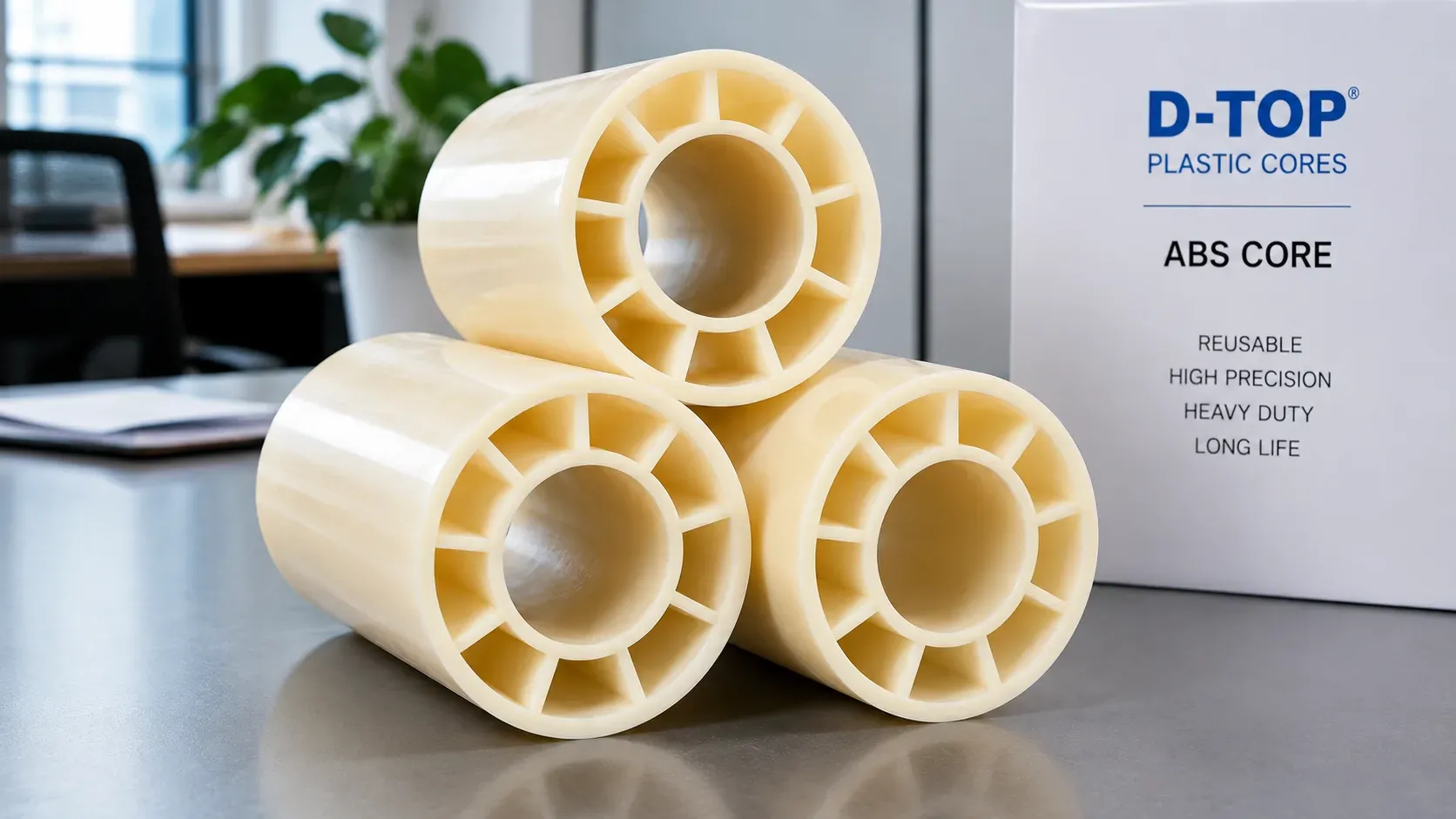
When evaluating winding cores for your production line or supply chain, one fundamental decision dictates your operating costs, cleanliness, and material yield: Should you use disposable cardboard tubes or reusable plastic cores?
For decades, cardboard (paper) tubes have been the default choice due to their low purchase price. However, as manufacturing speeds increase and cleanroom standards tighten, many plant managers are upgrading to engineered plastic cores.
To help you decide which material fits your operational model, here is an objective, head-to-head breakdown of the pros and cons of reusable plastic cores versus cardboard tubes.
1. Cardboard Tubes: The Traditional Standard
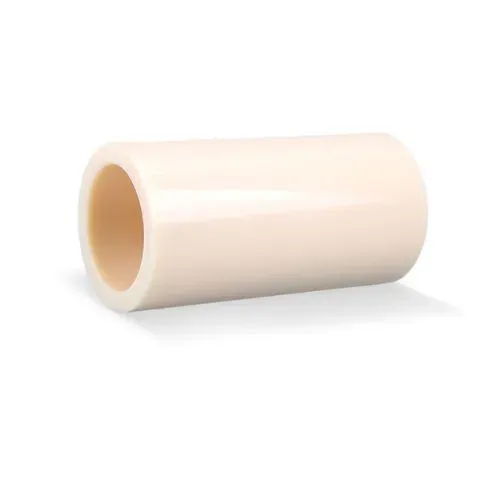
Cardboard tubes are made by spirally winding layers of paper with adhesives. They are widely used for one-way shipping and general packaging.
The Pros:
Low Initial Purchase Price: Cardboard tubes have a very low upfront unit cost, making them attractive for non-returnable, single-use shipments.
Lightweight for One-Way Freight: They add minimal weight to outbound shipments when goods are shipped to customers without a return loop.
The Cons:
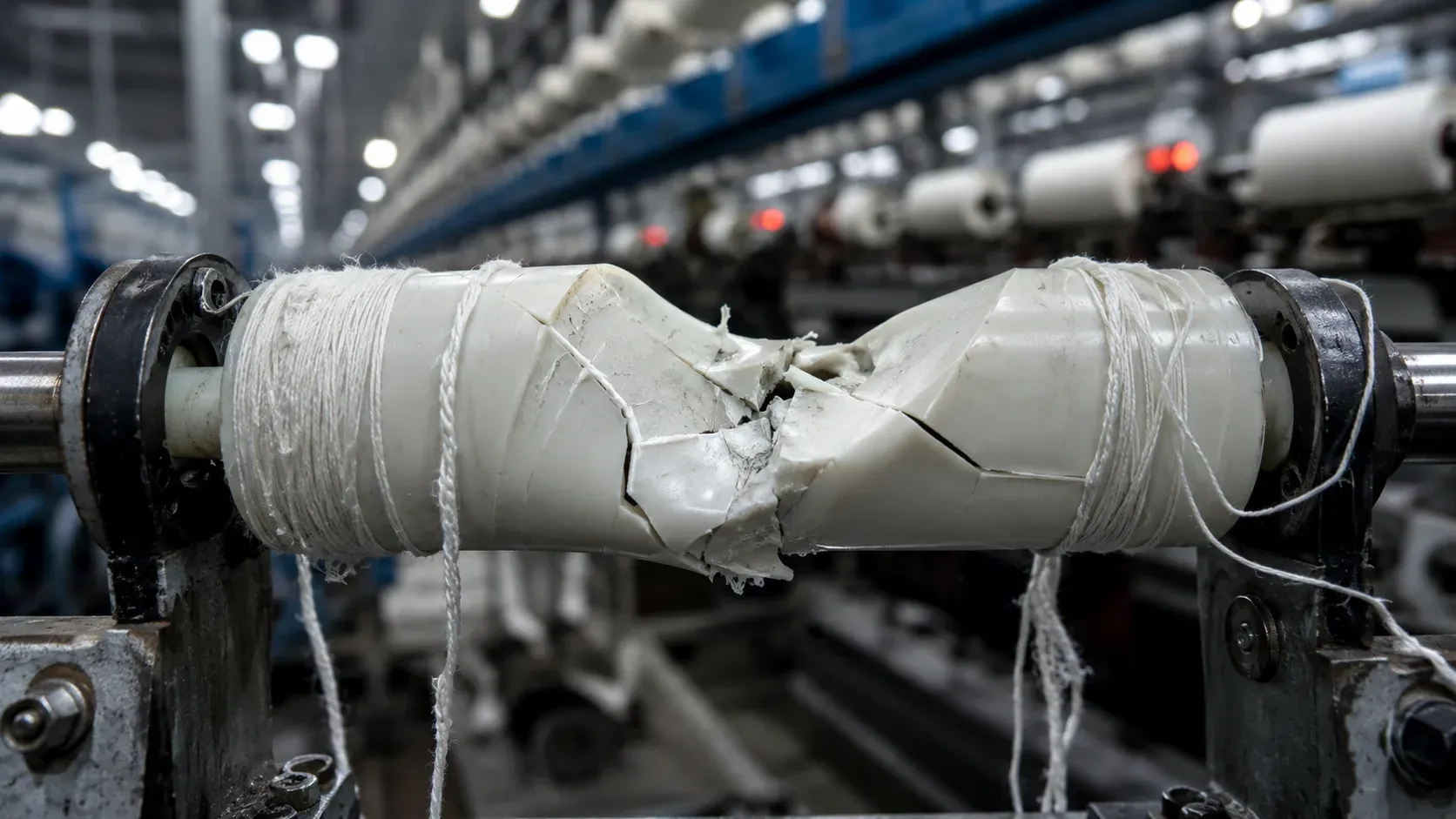
Moisture & Humidity Degradation: Paper naturally absorbs ambient moisture. In humid factory conditions or sea freight containers, cardboard tubes lose structural integrity and collapse under high winding tension.
Dust & Fiber Contamination: Friction between paper tubes and winding shafts creates paper dust. This dust settles on sensitive films, ruins print surfaces, and fouls precision machinery.
Single-Use Disposal Fees: Cardboard tubes degrade rapidly after 1 to 2 uses. Accumulated crushed tubes generate tons of industrial waste, leading to high disposal costs.
2. Reusable Plastic Cores: The Modern Asset
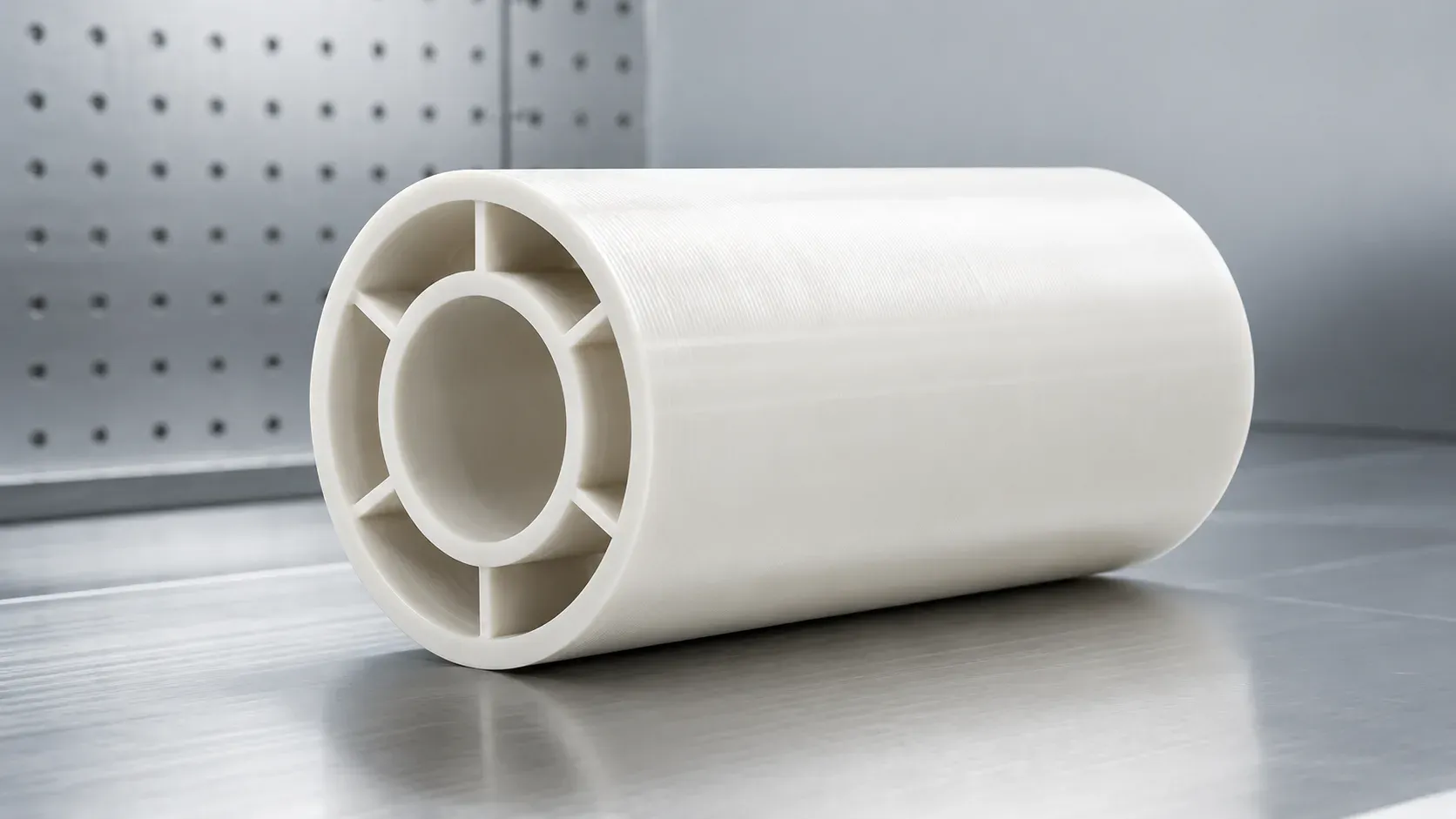
Engineered plastic cores—especially those molded from high-strength ABS with internal radial reinforcing ribs—transform winding tubes from disposable consumables into long-term factory assets.
Unrivaled Radial Crush Resistance: Featuring internal radial rib structures and heavy-duty wall construction, high-grade plastic cores maintain 100% cylindrical integrity under extreme inward pressure.
100% Moisture-Proof & Washable: Plastic cores do not absorb water. They can be washed, sanitized, and stored indefinitely without warping or weakening.
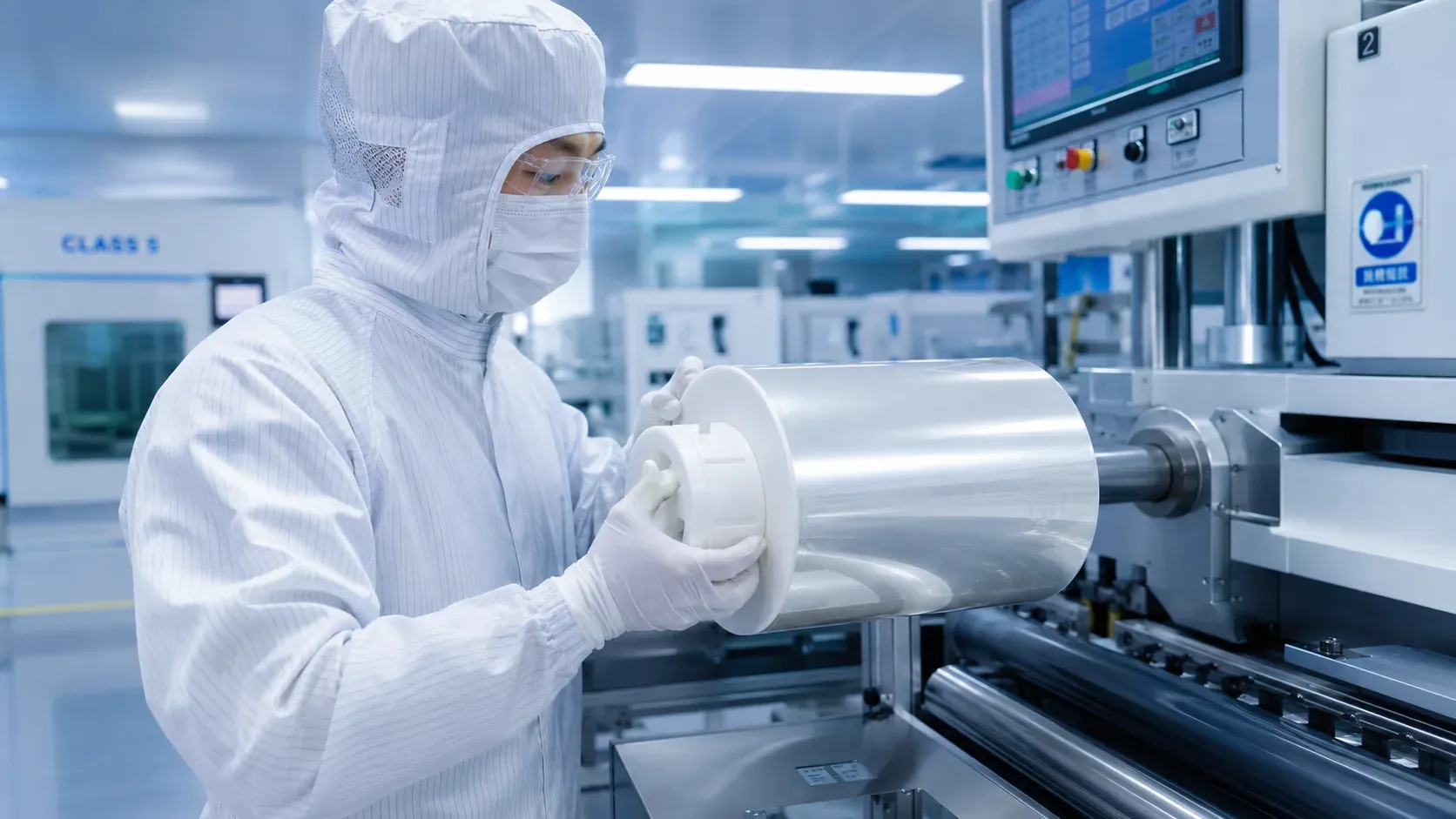
Zero Dust & Cleanroom Ready: Smooth, non-porous plastic surfaces generate zero fibers or dust particles, making them essential for medical, food, and optical film packaging.
Multi-Year Lifespan: A quality plastic core can be reused hundreds of times in a closed-loop supply chain, amortizing its initial cost down to pennies per use.
Higher Upfront Investment: Plastic cores require a higher initial capital expenditure (CAPEX) per unit compared to paper.
Requires Closed-Loop Logistics: To maximize ROI, facilities must have a system (such as internal recycling or customer return loops) to retrieve and reuse the cores.
3. Head-to-Head Comparison Table
Operational Feature | Cardboard Tubes | Reusable Plastic Cores (ABS) |
Initial Unit Cost | Low | Moderate to High |
Lifespan / Reuse Cycles | Single-use (1-2 cycles) | Multi-year (100+ cycles) |
Moisture Resistance | Poor (Absorbs water, warps) | 100% Waterproof |
Dust & Fiber Generation | High (Paper dust) | Zero (Cleanroom Compliant) |
Radial Crush Strength | Moderate (Degrades in humidity) | Exceptional (Internal radial ribs) |
Long-Term Cost per Use | High (Continuous purchasing) | Extremely Low (Amortized over years) |
4. The Verdict: Which Core Should You Choose?
If your business model relies on low-tension, one-way export shipments where cores cannot be returned, standard cardboard tubes may remain the practical option.
However, if you operate a closed-loop facility, run high-speed rewinding machinery, or produce cleanroom-grade materials, upgrading to [reusable ABS plastic cores - https://www.d-topcores.com/ABS_CORES-15/39.html] by D-Top Cores is the smartest financial and operational decision. The elimination of paper dust, core collapse, and continuous repurchasing will quickly offset the initial unit price.
Ready to evaluate plastic cores for your production line?Don't let crushed paper tubes and paper dust compromise your product quality. Contact our technical engineering team at D-Top Cores today for a customized ROI consultation and to request free sample cores for plant testing. Email us at: dingshangcores@gmail.com.