News
PE vs. PP Plastic Cores: Understanding the Differences for Packaging
PE vs. PP plastic cores: Which is best for your packaging line? Learn the key differences in crush resistance, temperature tolerance, and application suitability.
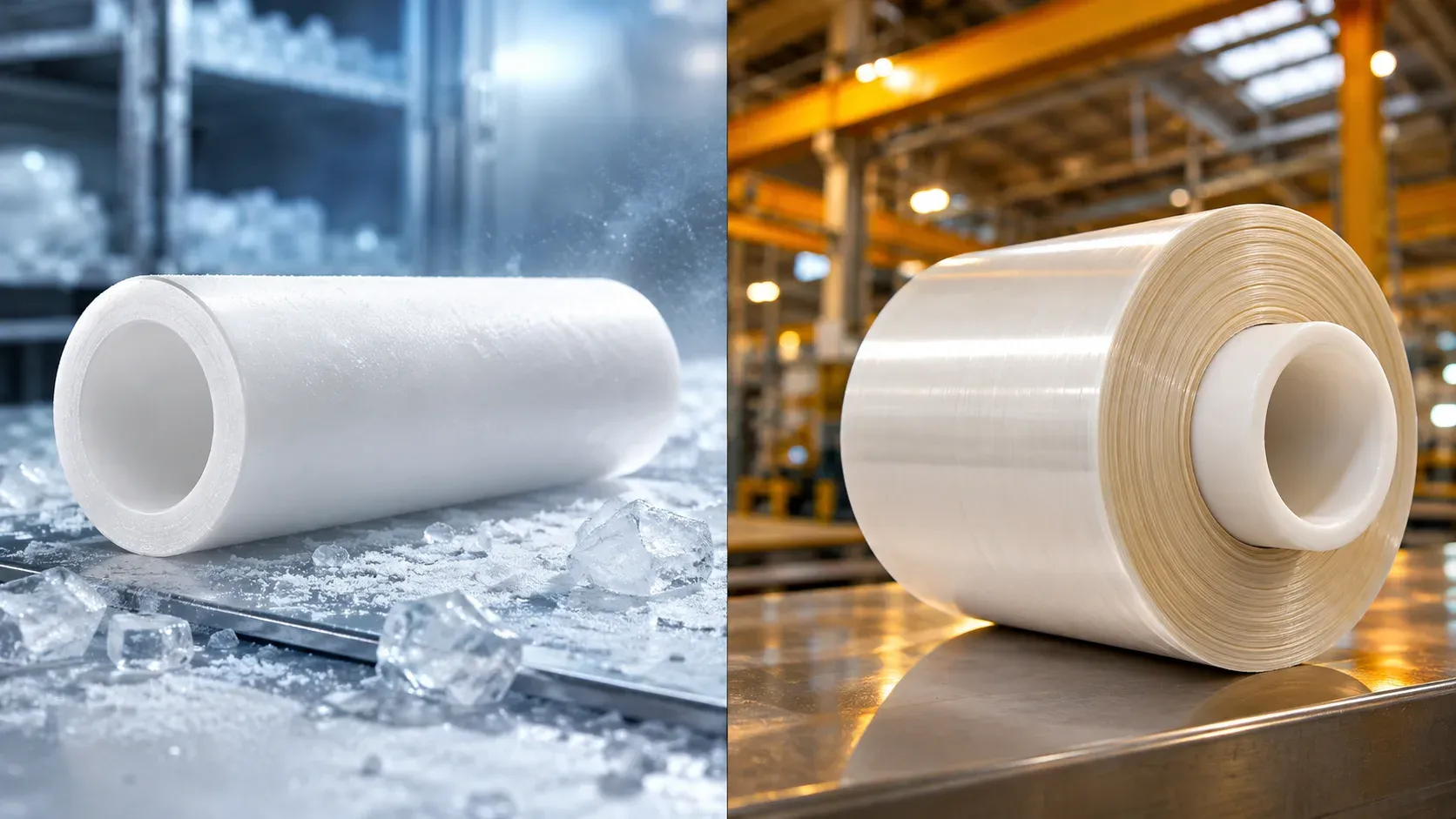
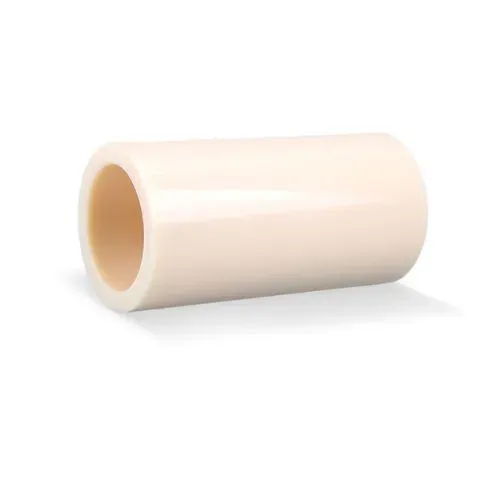
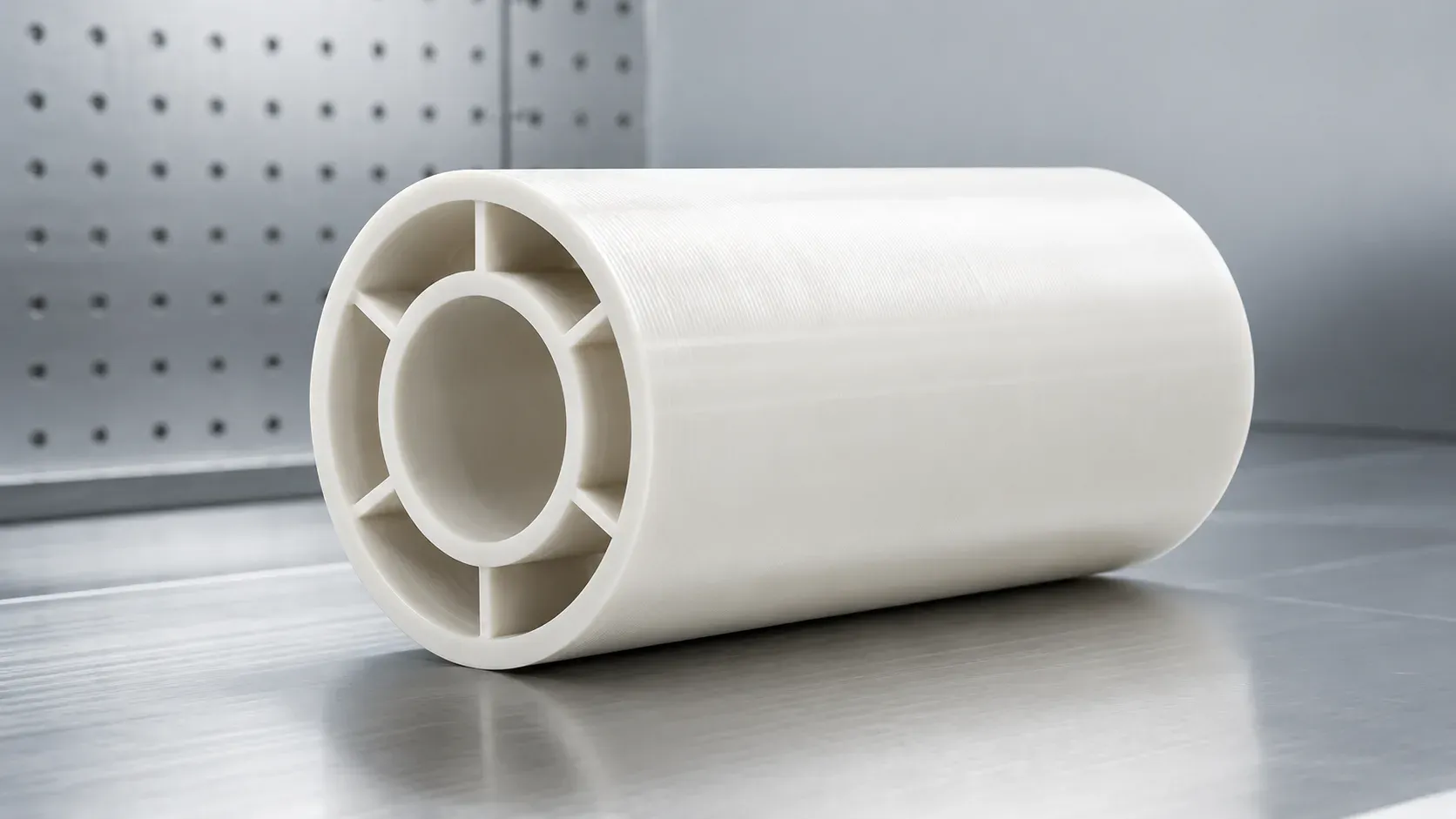
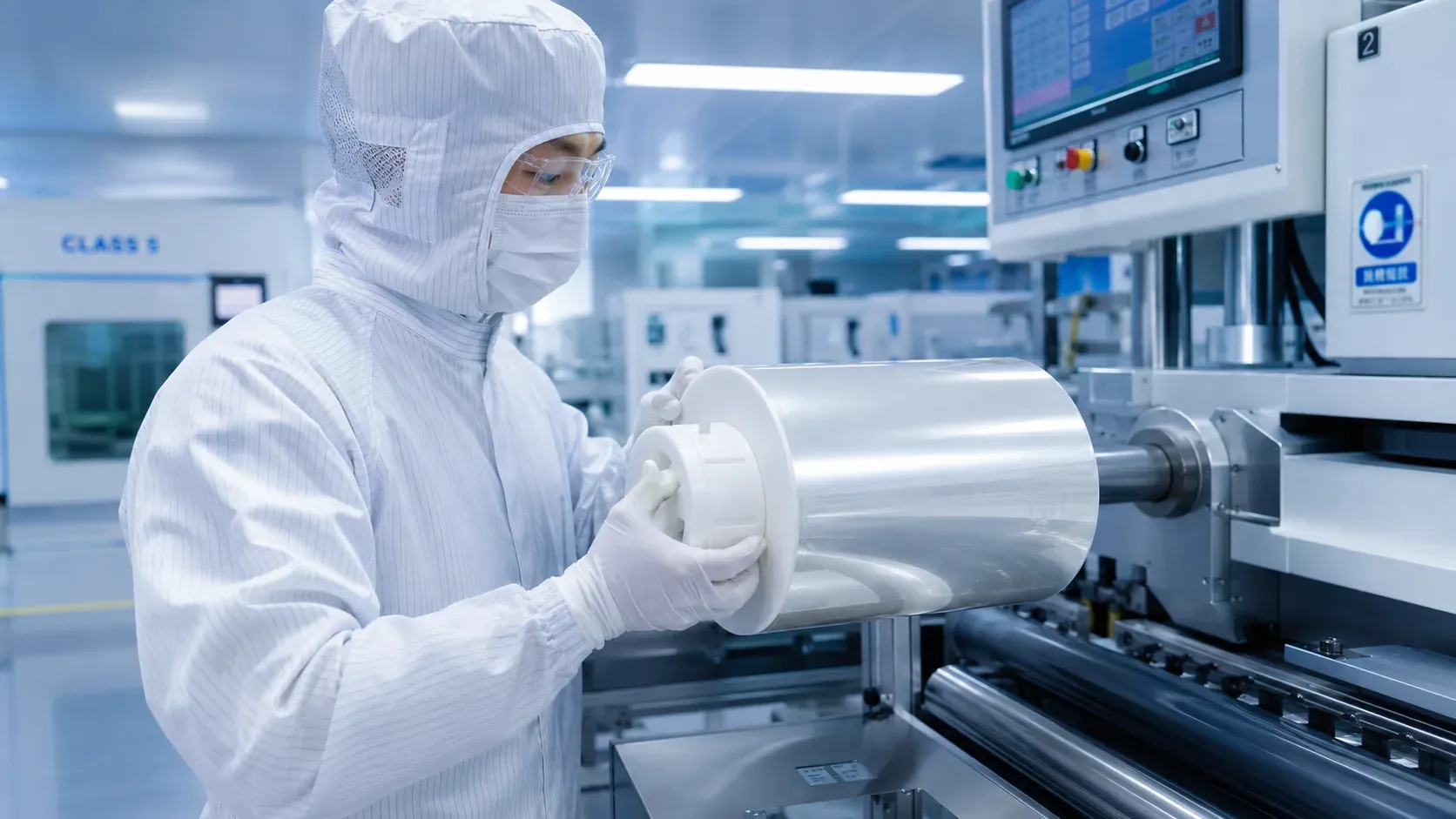
In the modern packaging industry, the shift from traditional paper cores to plastic cores is accelerating. Driven by the need for cleanroom compliance, reusability, and zero dust generation, packaging manufacturers—producing everything from stretch films and adhesive tapes to food-grade labels—are making the upgrade.
However, once you decide to switch to plastic, you face a critical engineering choice: Should you choose PE (Polyethylene) or PP (Polypropylene) cores?
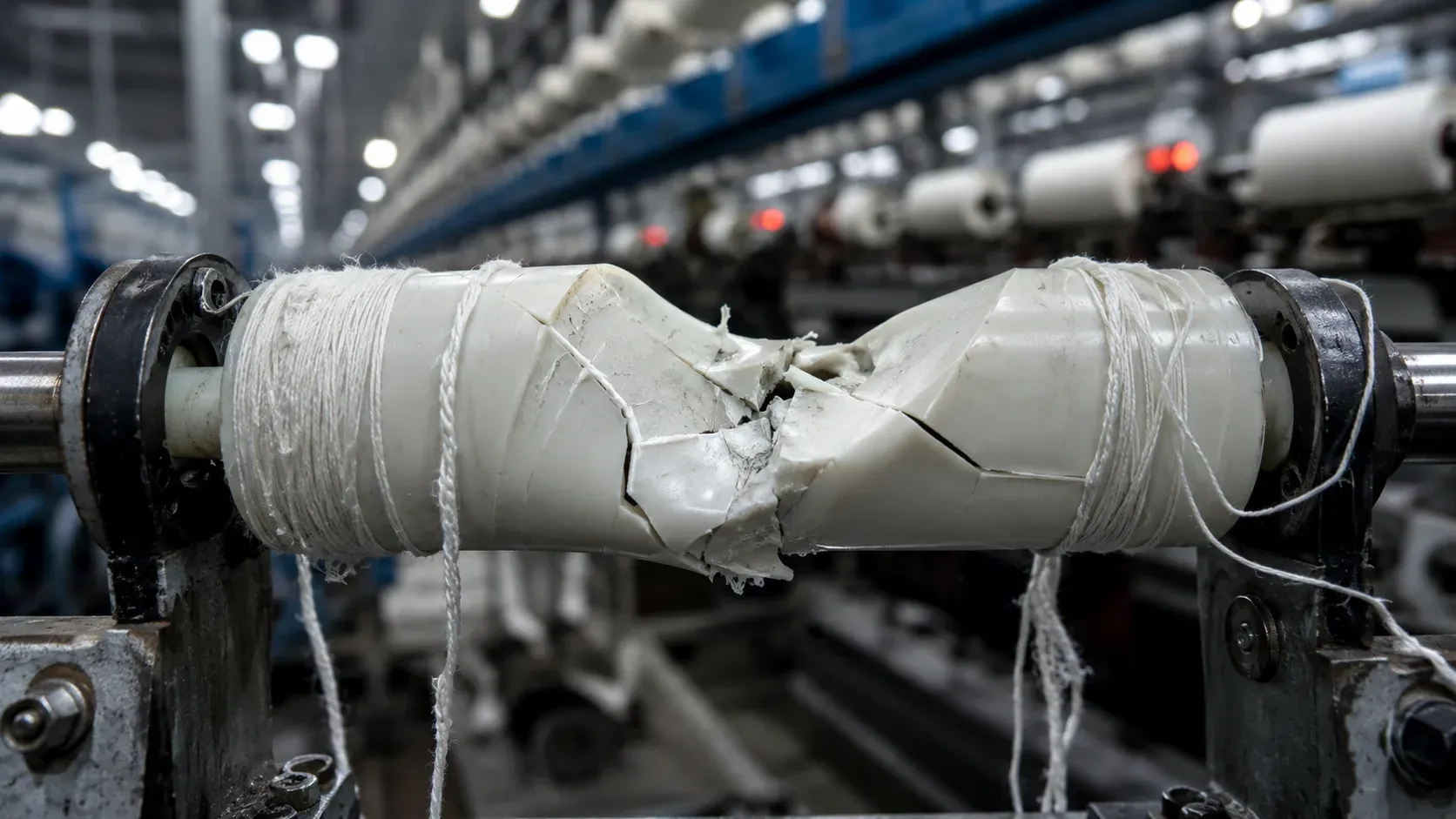
While they might look similar to the naked eye, PE and PP have distinct molecular structures that dictate how they perform under tension, temperature changes, and physical impact. Choosing the wrong material can lead to crushed cores, brittle snapping, or ruined packaging materials. Let’s break down the differences to help you make the right choice for your packaging line.
1. PE (Polyethylene) Cores: The Resilient & Cold-Resistant Choice
When we talk about PE cores in industrial applications, we are usually referring to HDPE (High-Density Polyethylene). PE is known for its incredible toughness and flexibility.
The Strengths of PE:
Superior Impact Resistance: PE is highly resilient. If an operator drops a heavy roll of stretch film onto a concrete floor, a PE core will absorb the shock and bounce rather than shatter or crack.
Excellent Cold Weather Performance: This is PE’s superpower. In freezing temperatures (such as cold storage, frozen food packaging, or winter logistics), PE maintains its flexibility.
Chemical Resistance: PE offers excellent resistance to a wide variety of solvents and chemicals.
The Weakness: PE has a lower tensile strength and rigidity compared to PP. Under extreme inward radial pressure (very high-tension winding), a PE core might slightly deform or compress.
2. PP (Polypropylene) Cores: The Rigid & Heat-Tolerant Powerhouse
Polypropylene (PP) is a harder, more rigid plastic. It is the go-to material when structural integrity and high-tension winding are the top priorities.
The Strengths of PP:
High Crush Resistance: PP is significantly stiffer than PE. It can withstand massive radial pressure without losing its perfect cylindrical shape. This makes it ideal for tightly wound materials like heavy-duty adhesive tapes or industrial labels.
High Temperature Tolerance: PP has a higher melting point than PE. If your packaging process involves heat-shrinking, hot-fill applications, or high-temperature sterilization, PP cores will maintain their dimensional stability without warping.
Lightweight Strength: PP offers an excellent strength-to-weight ratio, providing rigid support without adding unnecessary shipping weight.
The Weakness: PP’s rigidity becomes a liability in sub-zero temperatures. In freezing environments, PP can become brittle and is more likely to crack or shatter upon impact.
3. Head-to-Head: Which Core Fits Your Application?
To simplify your procurement decision, here is a quick application guide:
Choose PE Cores if:
You are winding stretch wrap or pallet films that might be dropped during manual handling.
Your packaged products are destined for cold storage or freezer environments.
You need maximum impact resistance and durability against rough handling.
Choose PP Cores if:
You are winding high-tension materials like adhesive tapes, strapping bands, or tightly wound labels.
Your manufacturing or packaging process involves high heat.
You require strict concentricity and zero deformation on high-speed rewinding machines.
4. Conclusion: Tailoring the Core to the Process
There is no single "best" plastic core—only the best core for your specific packaging application. Understanding the environmental conditions (temperature) and the mechanical stress (tension and impact) your rolls will face is the key to maximizing your yield and protecting your products.
Still unsure which material is right for your packaging line?You don't have to guess. Contact our engineering team today. Tell us about your winding tension, temperature environment, and material type, and we will provide the perfect PE or PP core samples for your testing.