News
Paper vs. Plastic Cores: Calculating the True Total Cost of Ownership (TCO) for Your Plant
Paper vs plastic cores: Calculate the true Total Cost of Ownership (TCO) for your winding line and see how reusable plastic cores save thousands.
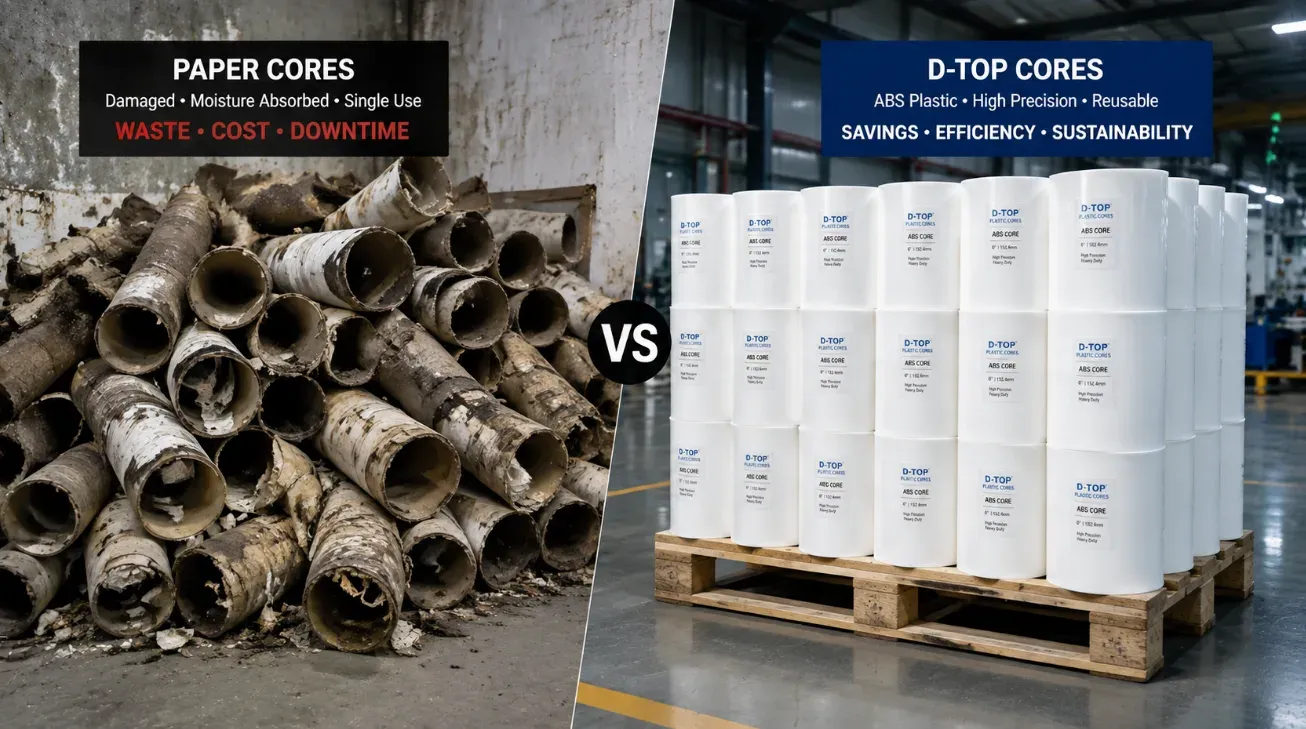
When procuring winding tubes for your facility, it is easy to focus solely on the initial purchase price. On paper—literally—cardboard tubes seem like the cheaper option compared to plastic cores. However, experienced plant managers and financial controllers know that the upfront unit price is only a fraction of the equation.
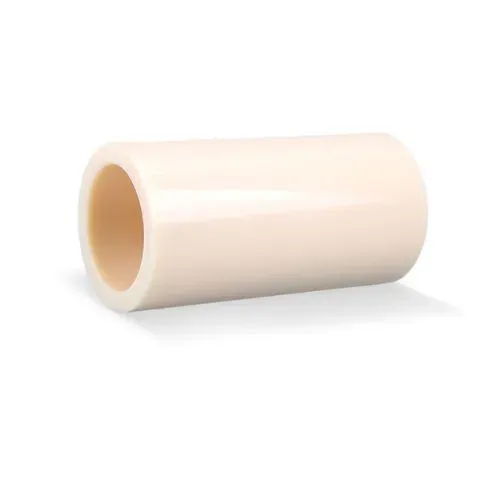
To understand the real financial impact on your manufacturing line, you must calculate the Total Cost of Ownership (TCO). When factoring in machine downtime, dust contamination, core collapse, and single-use waste disposal, disposable paper cores quickly become an expensive liability.
Let’s run the math on paper vs. plastic cores to discover how switching to reusable plastic tubes protects your bottom line.
1. The Hidden Costs of Disposable Paper CoresPaper cores have been the default choice for decades due to their low unit cost. However, they carry significant hidden expenses during daily operation:
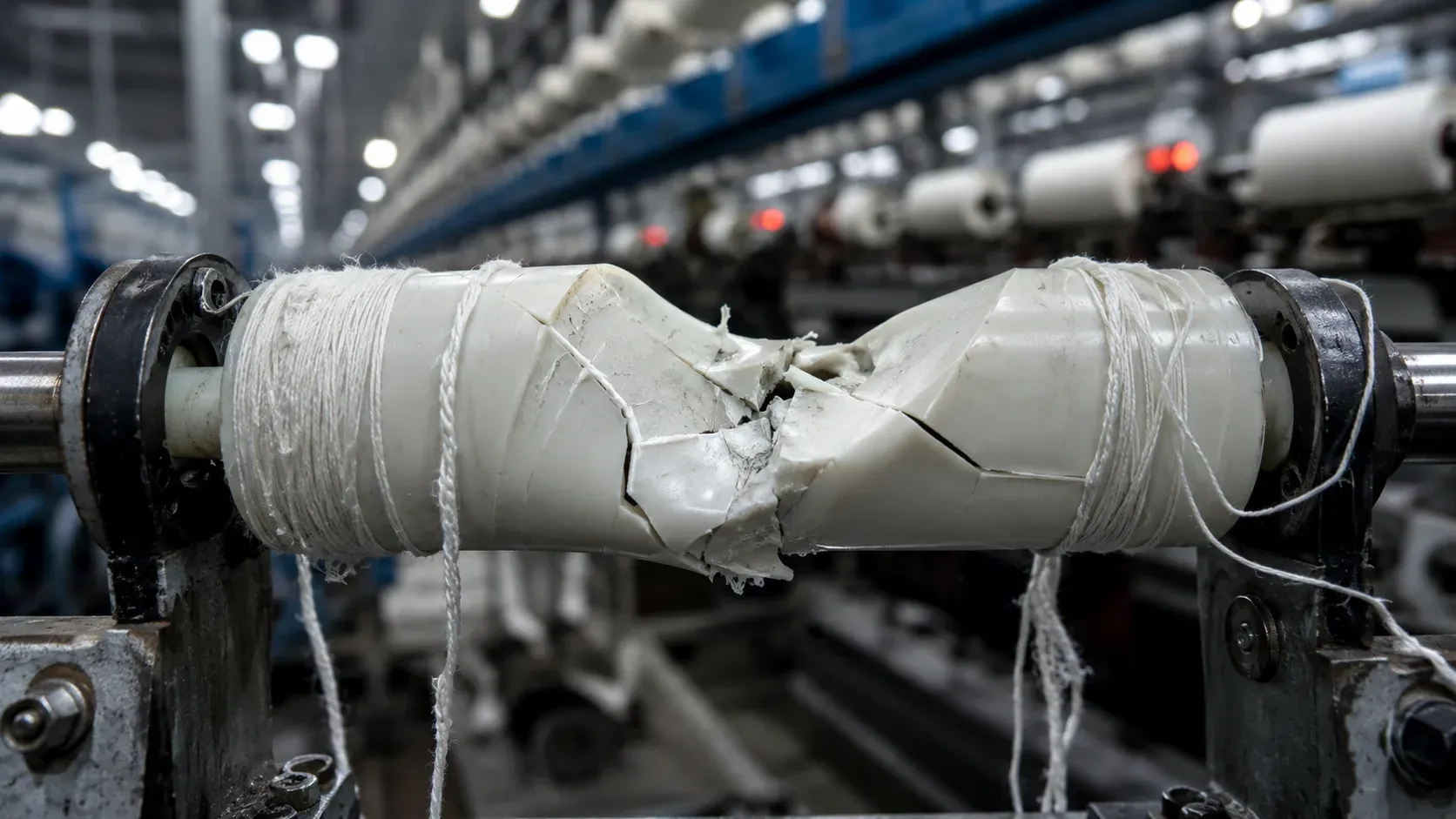
Humidity Degradation & Core Crush: Paper naturally absorbs ambient moisture. In humid factory environments or during sea freight transit, paper tubes lose structural integrity, leading to core collapse under high winding tension.
Particulate Contamination (Dust): As paper tubes spin and friction builds on winding shafts, they generate fiber dust. This dust settles on sensitive films, ruins printing surfaces, and fouls precision machinery.
Single-Use Waste & Disposal Fees: Paper tubes degrade quickly after one or two uses. Disposing of tons of crushed cardboard every month incurs rising industrial waste disposal fees.
Unplanned Machine Downtime: A single collapsed paper tube during a high-speed rewinding run can jam the machine, ruining hundreds of meters of material and costing thousands of dollars in downtime.
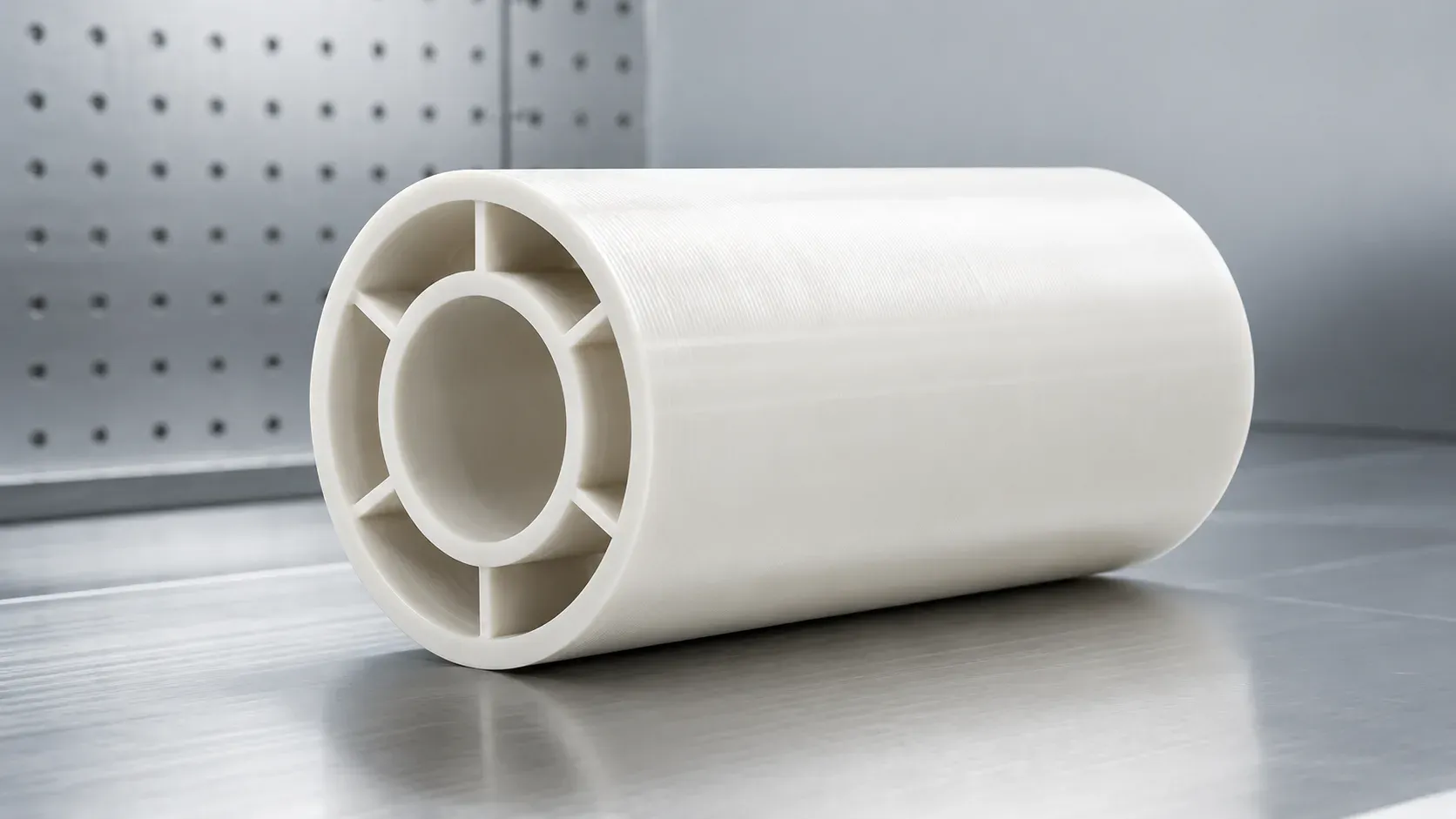
2. The Reusable Plastic Core Advantage: Built for LifespanEngineered plastic cores, particularly those made from high-density polymers like ABS or PP, represent a fundamental shift from "disposable consumables" to "reusable factory assets."
100% Weather & Moisture Proof: Plastic cores do not absorb water. Their radial crush strength remains 100% consistent whether in a humid tropical factory or cold storage.
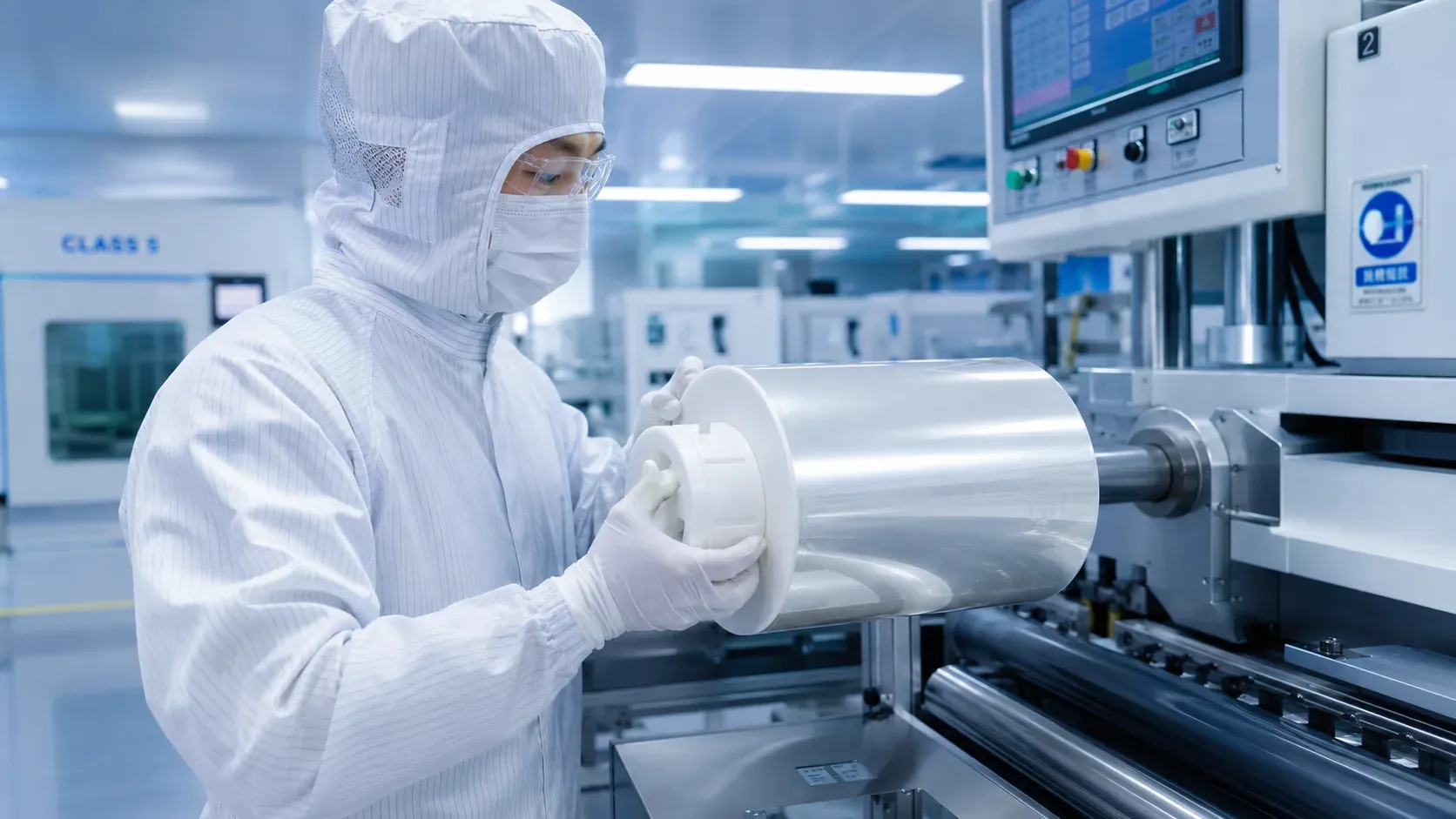
Zero Dust & Cleanroom Ready: Smooth, non-porous plastic surfaces generate zero fibers or dust, ensuring cleanroom compliance and protecting high-value optical or barrier films.
Multi-Year Lifespan: A premium plastic core can be cycled through a closed-loop supply chain hundreds or even thousands of times without losing its cylindrical shape.
If your plant is looking to cut consumable expenses, transitioning to our [reusable heavy-duty ABS plastic cores - https://www.d-topcores.com/ABS_CORES-15/38.html] engineered by D-Top Cores allows you to replace thousands of single-use paper tubes with a single, highly durable inventory investment.
3. TCO Showdown: A 3-Year Financial ComparisonTo see the true cost difference, consider a medium-sized facility using 10,000 cores per year:
Cost Factor | Paper Cores (Disposable) | Reusable ABS Plastic Cores (D-Top Cores) |
Initial Unit Price | Low ($2.00 / unit) | Moderate ($8.00 / unit) |
3-Year Usage Requirement | 30,000 units (Single-use) | 1,000 units (Reused 30+ times) |
3-Year Core Procurement Cost | US$60,000 | US$8,000 |
Dust Contamination Risk | High (Requires frequent cleaning) | Zero (Cleanroom ready) |
Moisture / Crush Failure Rate | 3% - 5% annually | Near 0% |
Waste Disposal Costs | High (Tons of cardboard waste) | Zero (100% Recyclable/Reusable) |
3-Year Total Cost Estimate | US$65,000+ | US$8,000 |
4. Conclusion & Next StepsWhile paper cores appear cheaper on an invoice, their true Total Cost of Ownership is drastically higher due to continuous repurchasing, material scrap, and waste disposal fees. Investing in high-strength, reusable plastic cores transforms an ongoing expense into a long-term cost-saving asset.
Ready to calculate the TCO savings for your facility?Don't let disposable cores drain your operating budget. Contact our technical engineering team at D-Top Cores today for a customized cost-benefit analysis and to request free sample cores for plant testing. Email us at: dingshangcores@gmail.com.