News
How to Prevent Film Damage: Stop Wasting Inner Layers Due to Poor Quality Plastic Cores
Stop wasting inner film layers. Learn how high-strength plastic cores for film winding can prevent starring, telescoping, and maximize your production yield.
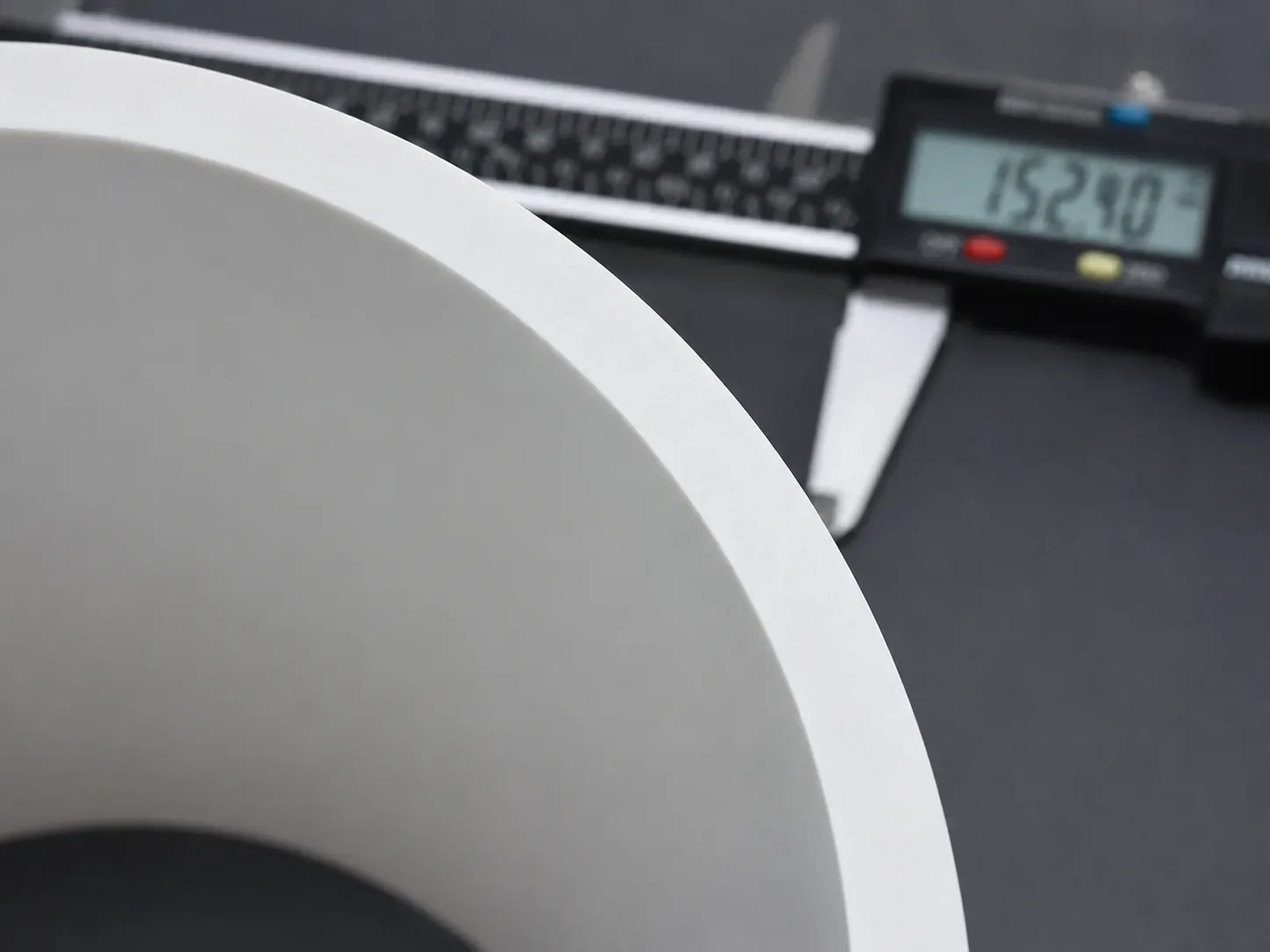
For plant managers and quality control supervisors in the plastic film industry (BOPP, PET, PE, optical, and barrier films), maximizing yield is the ultimate goal. However, there is a "hidden leak" in profits that many factories overlook: the wasted inner layers of film near the winding core.
If your operators are routinely discarding the last 50 to 100 meters of a film roll due to wrinkles, scratches, or deformation, the film itself usually isn't the problem. The true culprit is often the foundation of the roll—a poor-quality winding core.
So, how exactly do cheap cores ruin high-value films, and more importantly, how can you prevent this costly damage? Let’s explore the root causes and the engineering solutions.
1. The Root Causes: How Inferior Cores Destroy Your Film
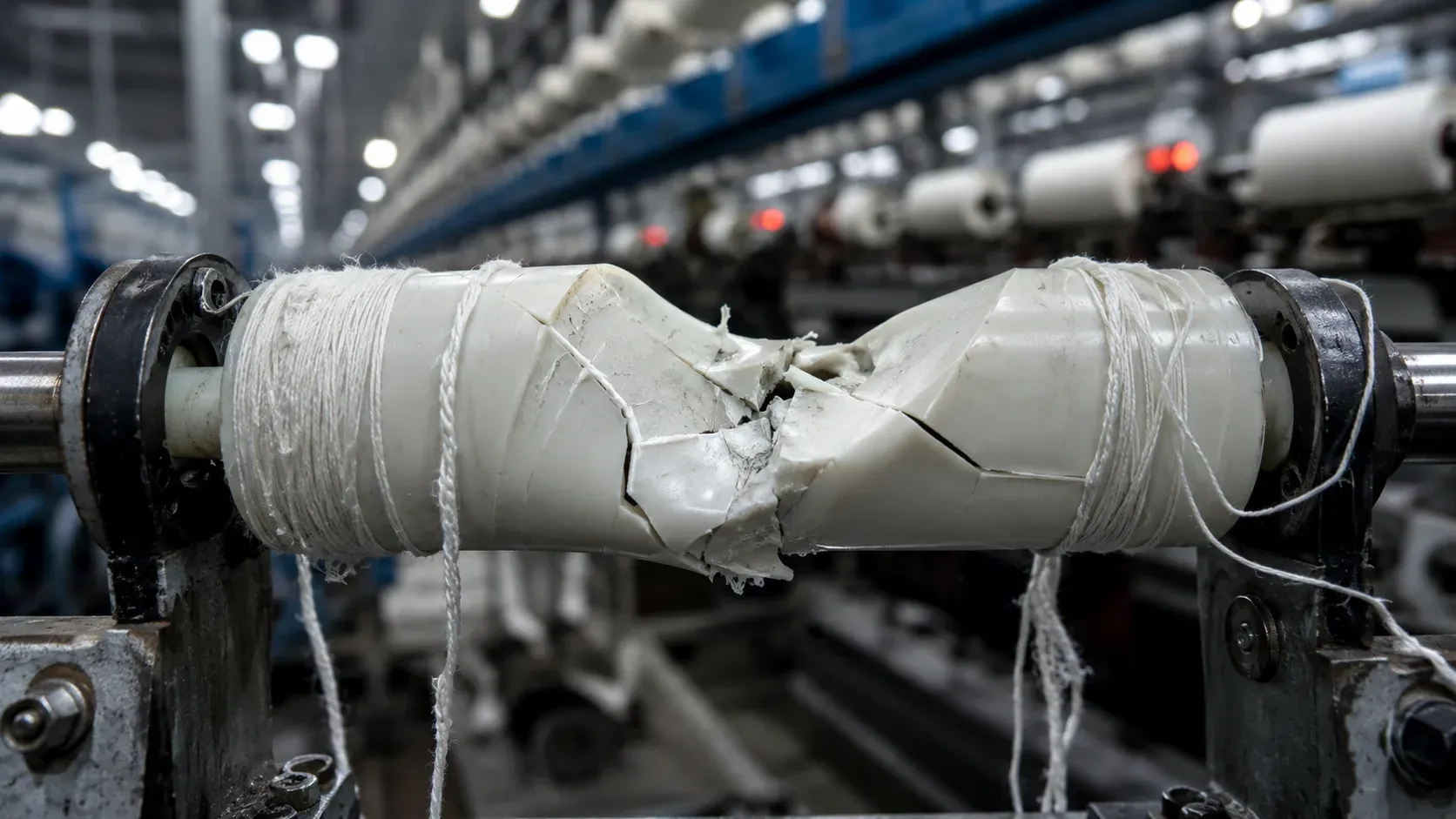
When winding hundreds or thousands of meters of film, the radial pressure (inward crushing force) acting on the core is immense. If the core fails to perform, the film suffers. Here are the four most common ways cheap cores damage your products:
Starring and Wrinkling (Core Deformation): Low-grade PVC or thin-walled PP cores lack the crush resistance needed for high-tension winding. As the core slightly flattens or turns oval under pressure, it creates permanent "star-shaped" wrinkles or dead folds in the innermost layers of the film, rendering them unusable.
Telescoping (Poor Concentricity): If a core is not perfectly straight or lacks strict concentricity, it will vibrate heavily on high-speed slitting and rewinding machines. This vibration causes the film edges to misalign, sliding outward like a telescope. This not only looks unprofessional but often leads to edge damage during transit.
Surface Scratches (Rough Finishes & Burrs): In cheap manufacturing processes, cores often have rough surfaces or sharp burrs at the cut ends. For sensitive materials like optical films or metallized films, these minor imperfections act like sandpaper, scratching and ruining the first few critical layers.
Contamination (Dust and Outgassing): Paper cores generate dust, while low-end plastic cores containing cheap fillers can outgas or shed particles. In food-grade, medical, or cleanroom environments, this contamination leads to immediate batch rejections.
2. The Solution: Upgrading to High-Strength Plastic Cores
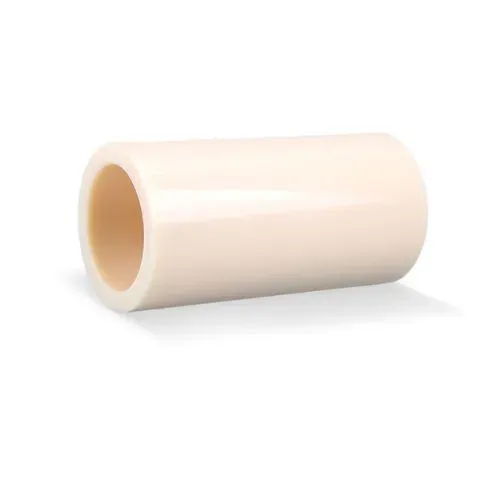
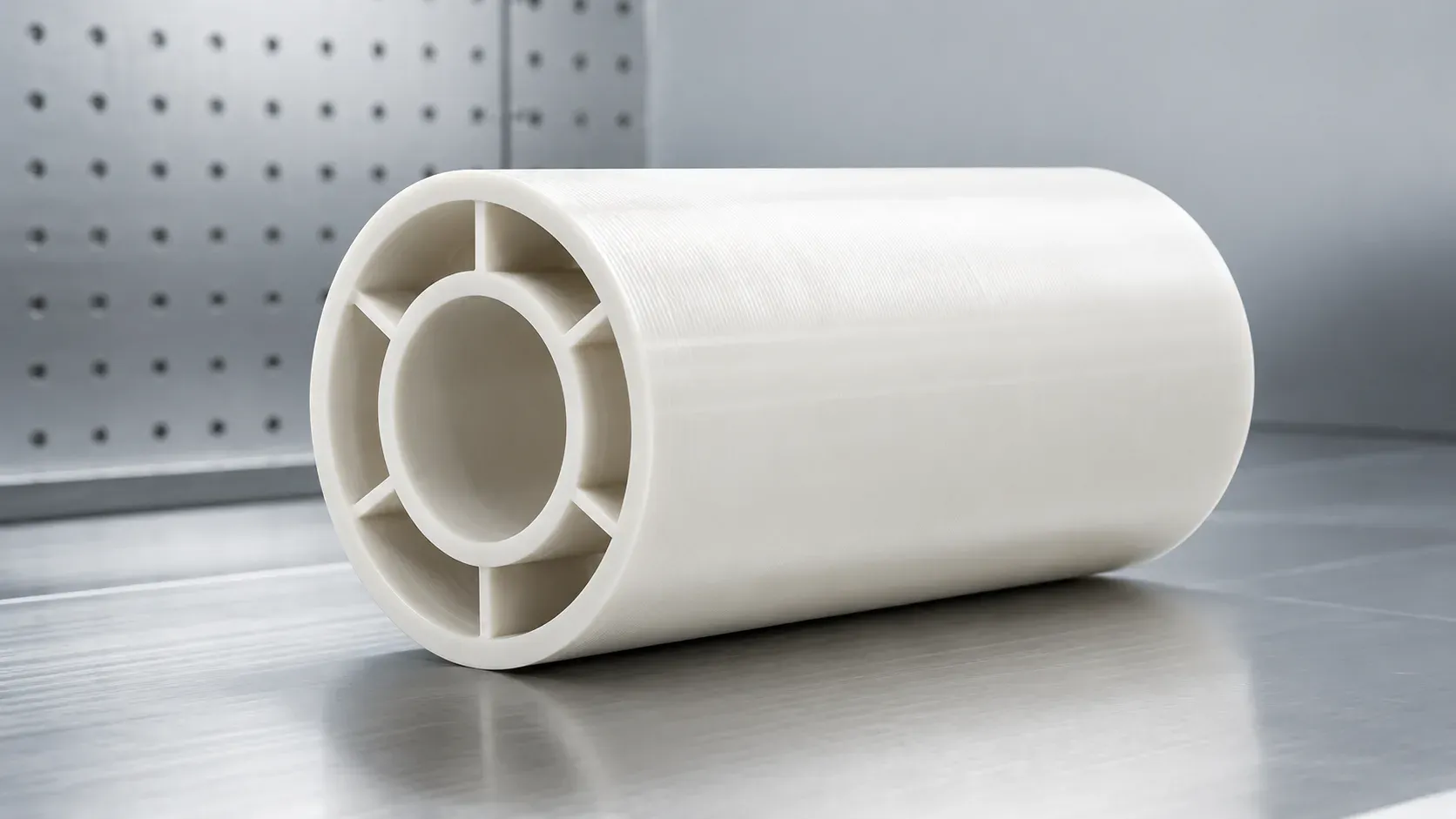
To prevent film damage and push your yield rate closer to 100%, you need to treat winding cores as precision engineering components rather than cheap consumables. Here is what you should demand when sourcing plastic cores for film winding:
Exceptional Crush Resistance (Zero Deformation): Upgrade to heavy-duty engineering plastics like reinforced ABS or modified thick-walled PP. These materials possess high radial crush strength, ensuring the core remains perfectly cylindrical even under the extreme inward pressure of tightly wound PET or BOPP films. Zero core deformation means zero inner-layer wrinkles.
Ultra-Smooth Surface and Chamfered Edges: Look for cores with a high-gloss finish or a specialized micro-texture that prevents film slippage without scratching. Furthermore, the ends of the core must be precision-machined with chamfered edges (beveled cuts) to eliminate any sharp burrs.
Precision Concentricity: High-quality molds guarantee millimeter-level straightness. A perfectly balanced core ensures vibration-free operation on high-speed rewinders, completely eliminating telescoping and ensuring a perfectly flush roll edge.
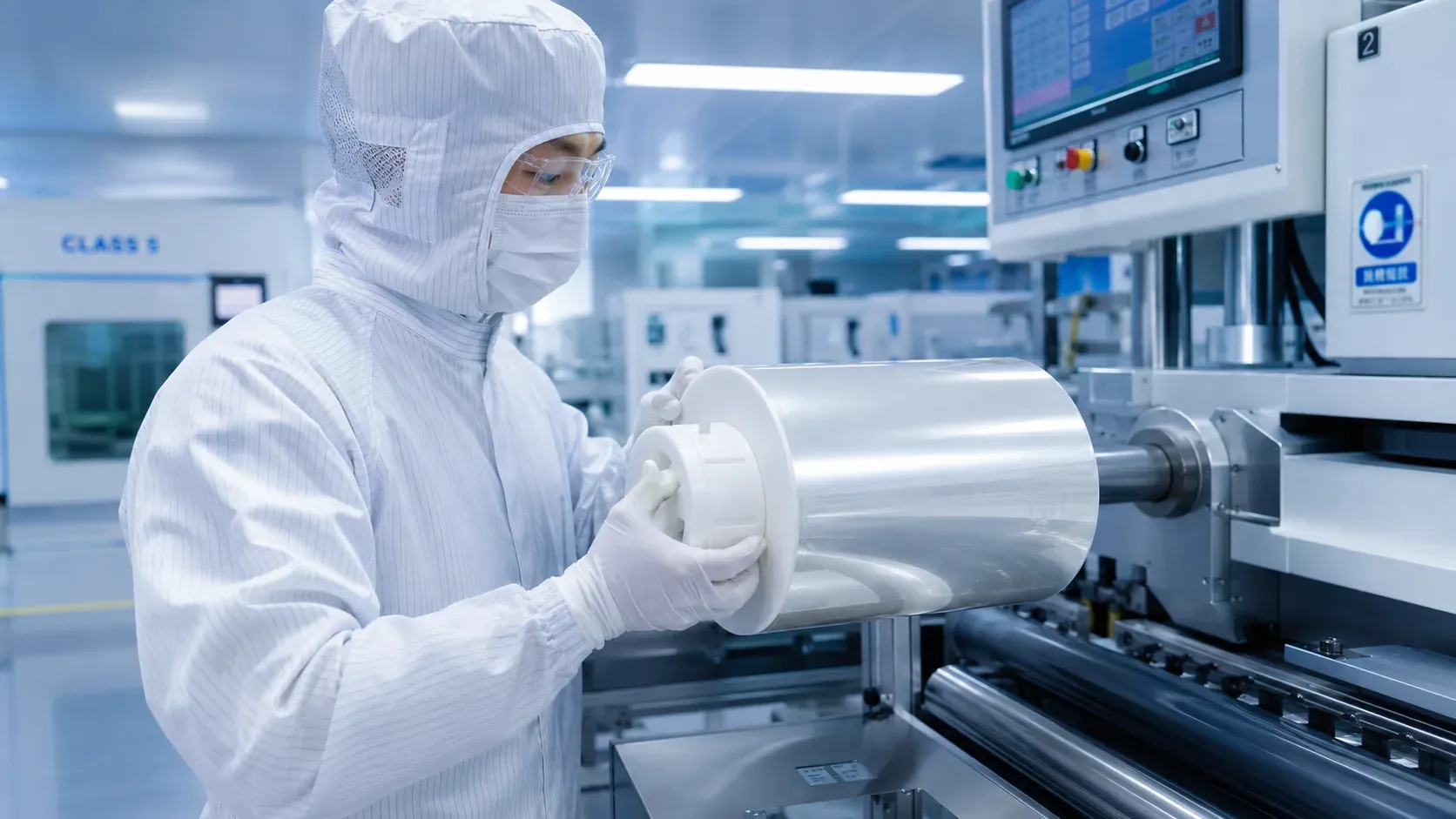
Cleanroom-Ready Materials: Premium plastic cores are extruded from 100% virgin resin. They are moisture-proof, dust-free, and chemically stable, making them the only safe choice for high-end packaging and optical film lines.
3. The Real-World ROI: Saving Meters, Saving Money
Think about the math: If a single roll of specialized barrier film is worth hundreds of dollars, throwing away the inner 5% because of core-induced wrinkles is a massive financial loss over a year.
By investing slightly more in high-strength plastic cores, you are effectively buying back those wasted meters of film. Our clients consistently report that upgrading their cores pays for itself within months, simply through the drastic reduction of scrapped inner layers and fewer customer complaints regarding telescoped rolls.
4. Conclusion
Don't let a sub-standard core ruin a premium film. It is time to eliminate starring, telescoping, and scratches for good.
Are you ready to maximize your film yield?Stop accepting inner-layer waste as "normal." Contact our team today to request precision-engineered plastic core samples tailored for your specific film winding tension and cleanroom requirements.