News
How to Choose the Right Wall Thickness for Your Plastic Winding Cores
Learn how to calculate the perfect wall thickness for your plastic winding cores to prevent crush failure, optimize cost, and maximize yield.
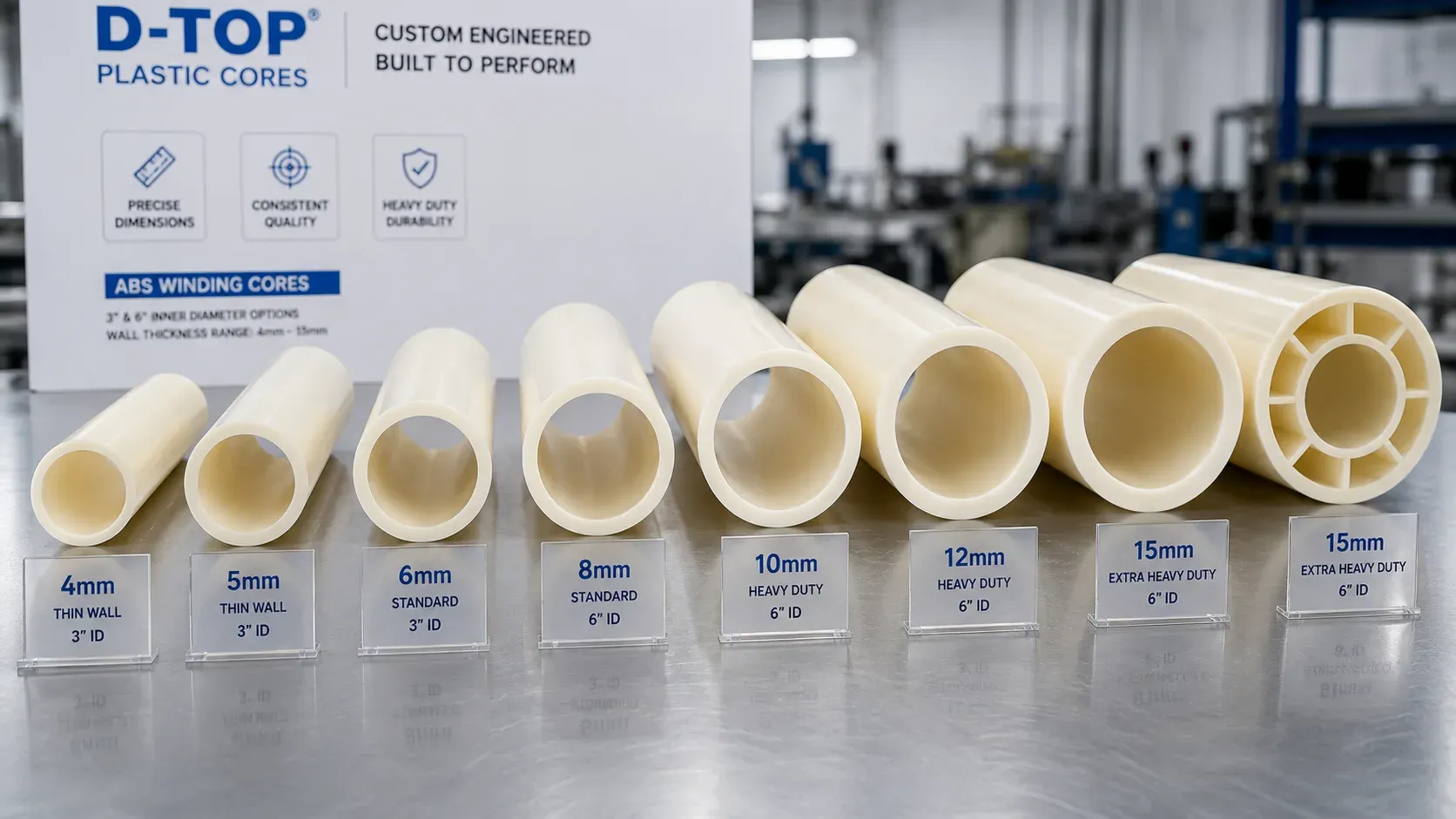
Selecting the ideal winding core for your manufacturing line is a delicate engineering balancing act. Among all design specifications—inner diameter, length, and surface finish—wall thickness is the most critical parameter determining a core’s load-bearing capacity and long-term durability.
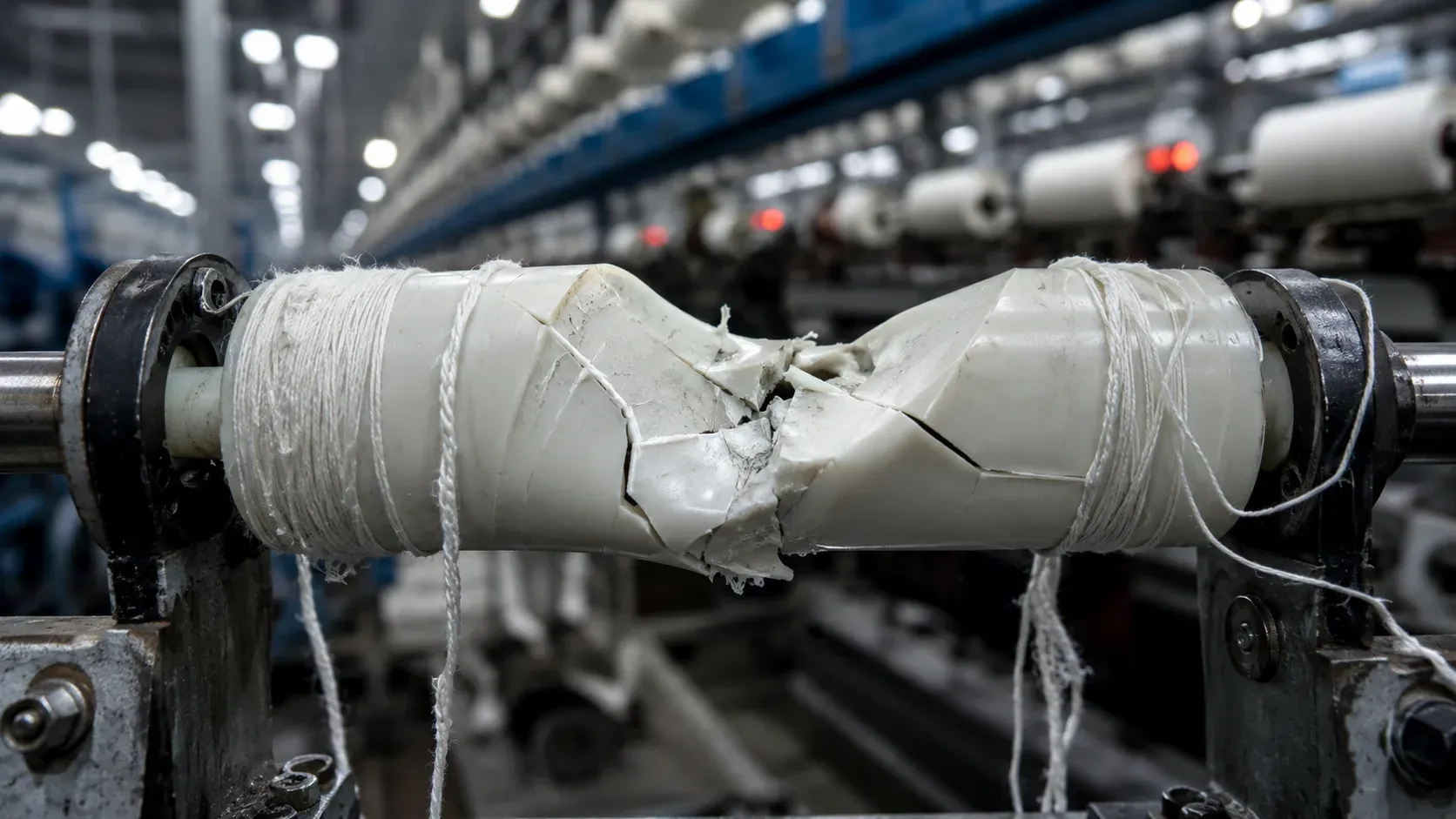
Choose a wall thickness that is too thin, and your core will collapse under high winding tension, causing catastrophic material scrap. Choose a wall thickness that is too thick, and you pay unnecessary procurement costs, add excessive shipping weight, and strain your winding machine shafts.
How do you find the "sweet spot"? Here is an engineering guide to calculating and choosing the right wall thickness for your plastic winding cores.
1. The "Goldilocks" Dilemma: Too Thin vs. Too ThickUnderstanding the consequences of incorrect wall thickness is the first step toward optimization:
The Risk of Too Thin: As film or yarn wraps around the core hundreds of times, the inward squeezing force (radial pressure) accumulates exponentially. A wall that is even 1mm too thin will compress, warp into an oval shape, or buckle inward. This creates "starring" wrinkles in the innermost 50 meters of your product.
The Cost of Too Thick: Overspecifying wall thickness wastes budget. Extra plastic adds unnecessary weight, increasing per-unit freight costs and forcing your slitting machines to use more torque to rotate the heavy rolls.
2. 4 Engineering Factors That Determine Wall ThicknessWhen engineering plastic cores, we evaluate four key operational variables to determine the required wall thickness:
Factor #1: Winding Tension & Material TypeHigh-tension materials (like PET, BOPP, aluminum foil, or high-tenacity yarns) exert massive radial pressure as they contract. They require significantly thicker walls (8mm to 15mm) than low-tension materials like PE stretch film (4mm to 6mm).
Factor #2: Finished Roll Outer Diameter (OD)The larger the finished roll, the greater the cumulative radial squeezing force acting on the core's center. A core supporting a 1,000mm OD roll requires a much thicker wall than one supporting a 300mm OD roll.
Factor #3: Core Material SelectionMaterial strength directly dictates required thickness. Engineering plastics like ABS offer higher tensile and flexural strength than PVC or PP. Therefore, an ABS core can achieve the same crush resistance as a PVC core while using a thinner wall, saving weight and cost.
Factor #4: Shaft Drive System & ReusabilityIf your machinery uses pneumatic expansion shafts or mechanical chucks that bite into the core's inner wall, a thicker wall is needed to prevent keyway tearing and edge fatigue during repeated mounting cycles.
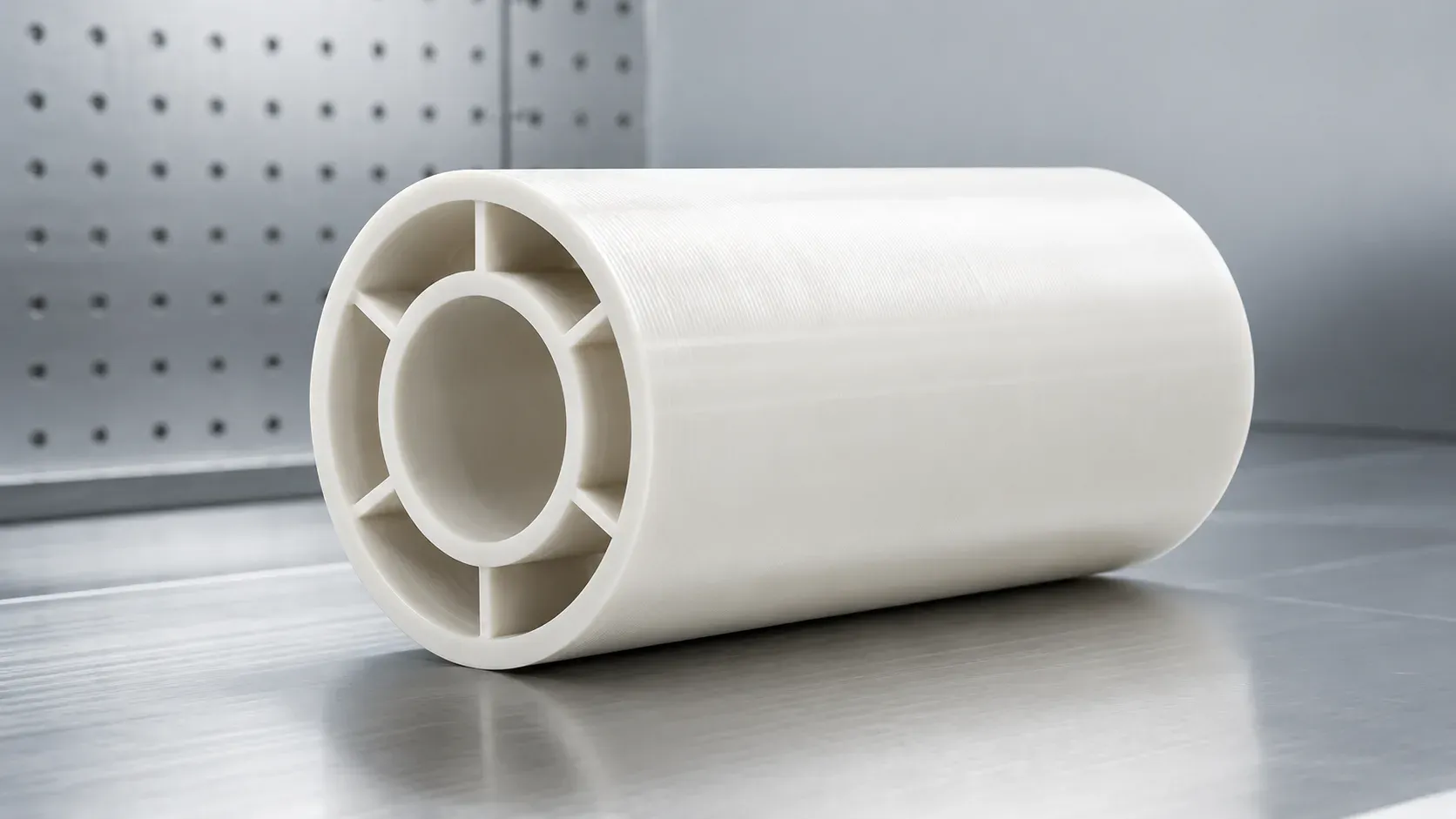
To ensure your facility achieves the perfect balance of strength and cost efficiency, switching to custom-engineered [heavy-duty ABS plastic cores - https://www.d-topcores.com/ABS_CORES-15/38.html] by D-Top Cores guarantees maximum radial crush strength at optimized wall thicknesses.
3. Recommended Wall Thickness Selection GuideBelow is a general reference guideline for plastic core wall thickness based on 3-inch (76.2mm) and 6-inch (152.4mm) inner diameters using virgin ABS material:
Application / Film Type | Core ID | Typical Winding Tension | Recommended ABS Wall Thickness |
Light Duty (PE Stretch Film, Tissue) | 3 Inches (76mm) | Low | 3.5 mm - 5.0 mm |
Medium Duty (Packaging Labels, Tapes) | 3 Inches (76mm) | Medium | 5.0 mm - 8.0 mm |
Heavy Duty (BOPP, PET, Barrier Films) | 3 Inches (76mm) | High | 8.0 mm - 12.0 mm |
High Tension Industrial Winding | 6 Inches (152mm) | Very High | 8.0 mm - 12.0 mm |
Extreme Tension (Copper Foil, Technical Textiles) | 6 Inches (152mm) | Extreme | 12.0 mm - 18.0 mm |
4. Conclusion & Next StepsSelecting the correct wall thickness is not about guessing—it is about precision engineering. By matching your core wall thickness to your film tension, roll diameter, and material choice, you can completely eliminate core deformation while keeping procurement and shipping costs under control.
Not sure which wall thickness your winding machine requires?Don't risk machine downtime or overpaying for over-engineered cores. Contact the engineering team at D-Top Cores today. Send us your winding tension, roll dimensions, and material specs, and we will calculate the exact wall thickness you need and provide free custom samples. Email us at: dingshangcores@gmail.com.