News
FRP vs. Steel Winding Cores: Why Copper Foil Manufacturers are Switching
FRP vs. Steel winding cores: Why are copper foil manufacturers switching? Learn how FRP cores prevent rust, reduce weight, and maximize copper foil yield.
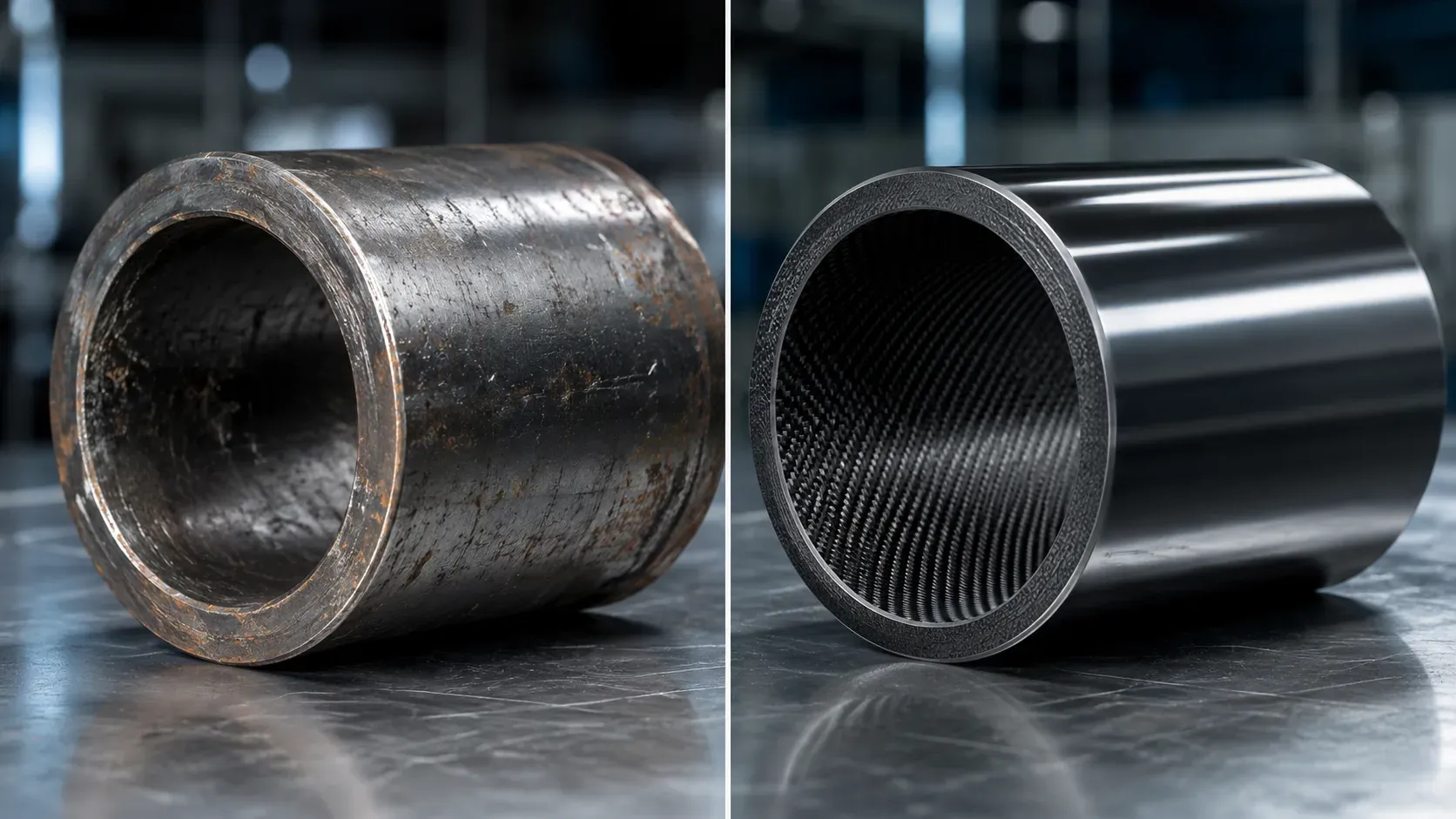
The copper foil industry is experiencing unprecedented growth, driven by the booming electric vehicle (EV) lithium battery and advanced PCB markets. As manufacturers push the limits to produce ultra-thin copper foils (often down to 4 or 6 microns), the demands placed on winding equipment have never been higher.
For decades, steel winding cores were the undisputed standard. However, a massive shift is occurring on factory floors worldwide: top-tier copper foil manufacturers are rapidly replacing their steel cores with FRP (Fiberglass Reinforced Plastic) cores.
Why is this transition happening? Let’s compare FRP and steel cores head-to-head to understand why FRP is the ultimate upgrade for high-value foil winding.
1. The Traditional Standard: Steel Cores
Steel has been the go-to material for one primary reason: raw strength. When winding thousands of meters of copper foil, the radial pressure is immense, and steel provides the necessary crush resistance.
The Fatal Flaws of Steel:
Extreme Weight: Steel cores are incredibly heavy. They require heavy-duty cranes to move, increase worker fatigue, pose safety risks, and drastically inflate shipping costs when transporting finished rolls.
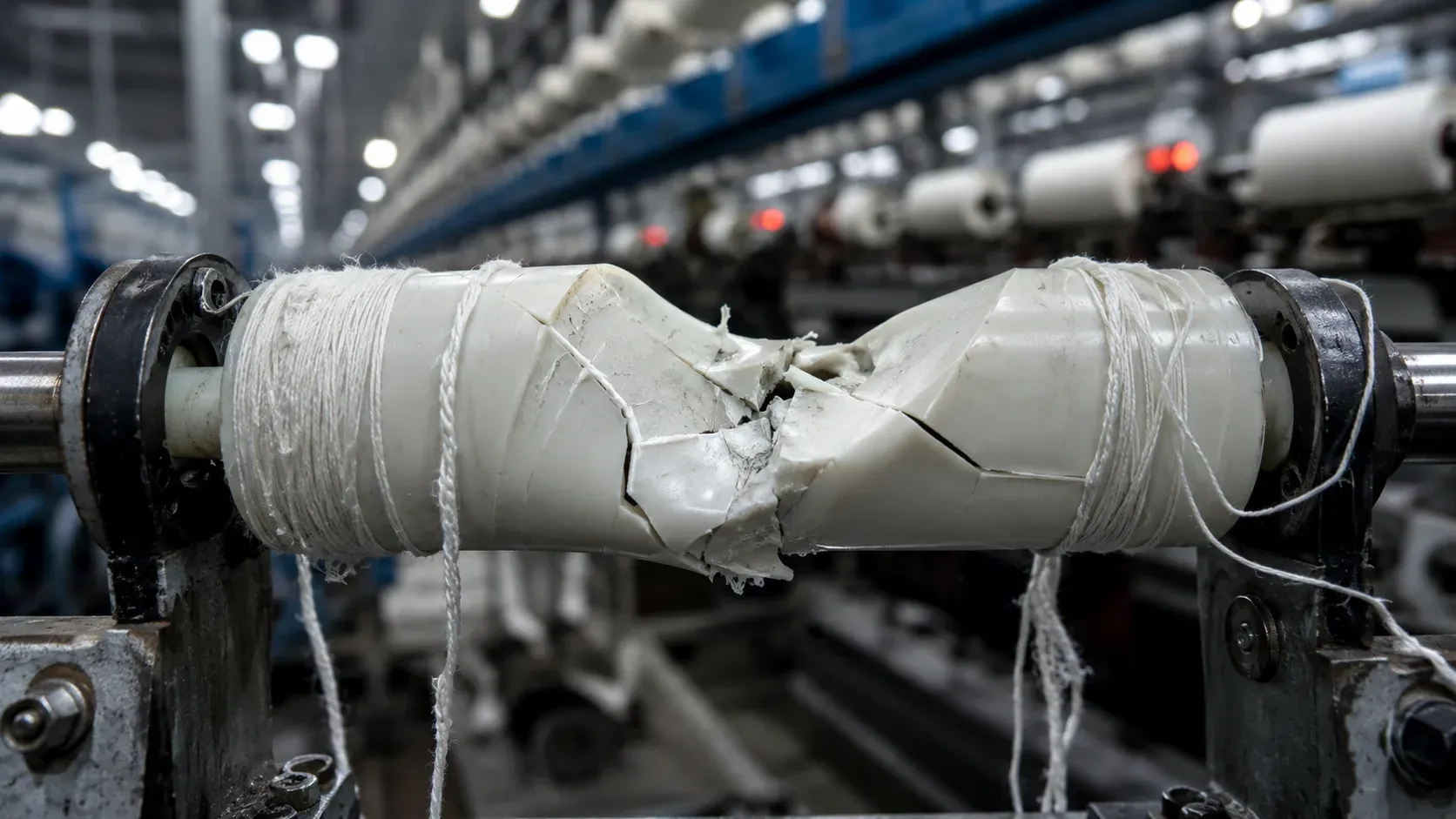
Rust and Oxidation: This is the biggest nightmare for copper foil. Steel is prone to rust, especially in humidity-controlled or slightly acidic factory environments. A single speck of rust can contaminate and ruin an entire roll of battery-grade copper foil.
Constant Maintenance: To prevent rust and maintain a smooth surface, steel cores require continuous polishing, plating (like hard chrome), and oiling, driving up hidden maintenance costs.
2. The Modern Solution: FRP (Fiberglass Reinforced Plastic) Cores
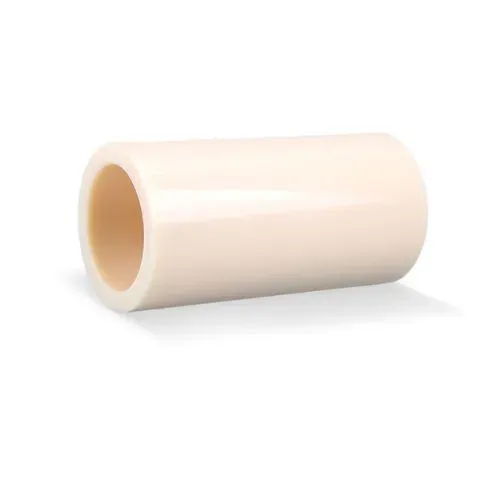
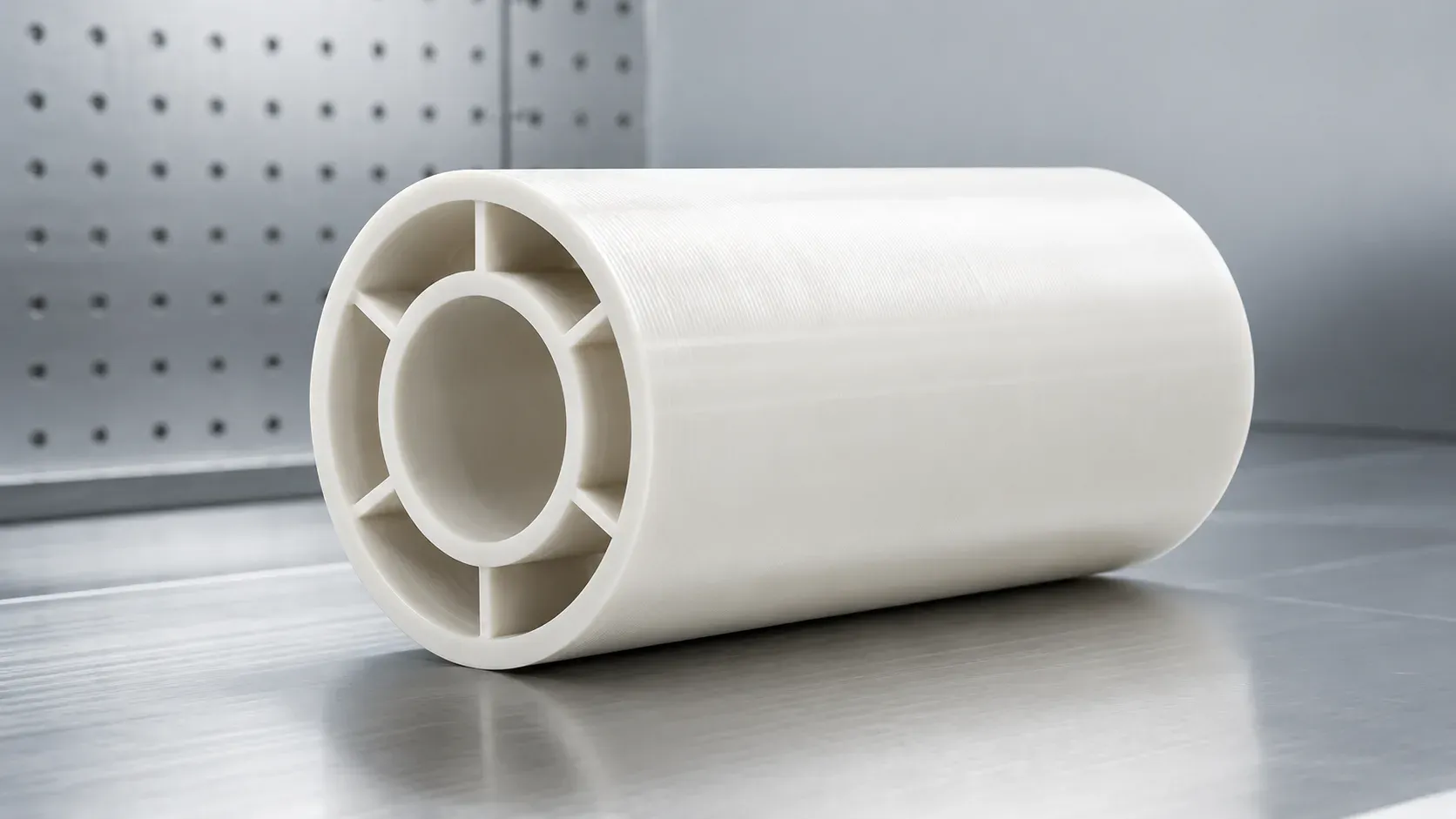
FRP cores are engineered composite tubes made by winding high-strength fiberglass filaments with premium epoxy resins. They are specifically designed to solve the exact pain points caused by steel.
The Head-to-Head Showdown:
Weight & Handling: The 70% ReductionWinner: FRP. FRP cores offer a strength-to-weight ratio that steel simply cannot match. An FRP core is typically 70% to 80% lighter than a steel core of the same dimensions, while offering comparable radial crush strength. This massive weight reduction means faster changeovers, safer handling for operators, and significantly lower freight costs.
Corrosion & Contamination: Zero Rust GuaranteeWinner: FRP. Unlike steel, FRP is completely non-metallic and chemically inert. It will never rust, oxidize, or corrode. This guarantees a 100% contamination-free environment for your ultra-sensitive lithium battery copper foils, eliminating batch rejections caused by core oxidation.
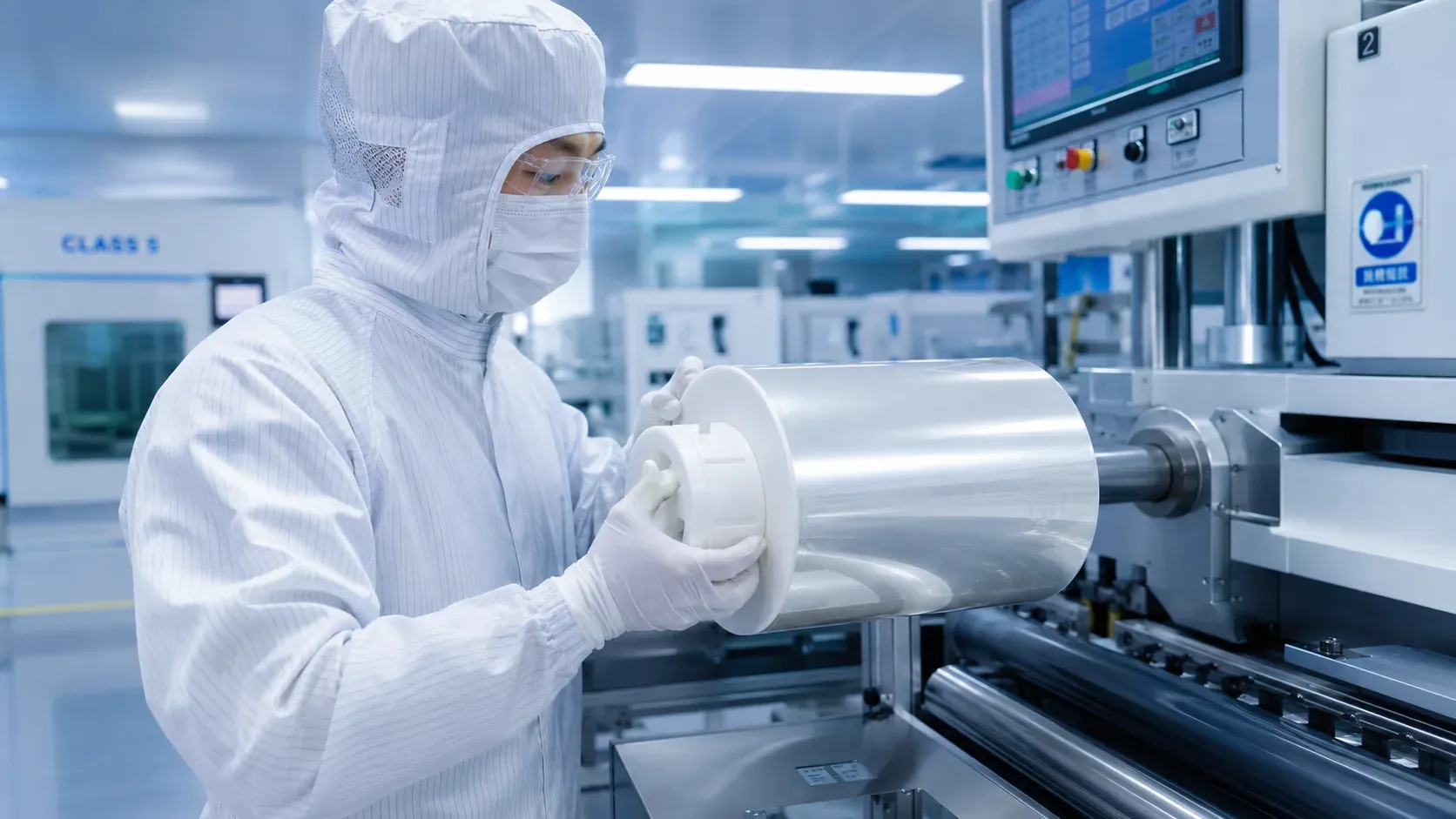
Surface Finish & Yield: Protecting the 6-Micron FoilWinner: FRP. When winding 6-micron copper foil, even a microscopic scratch on the core will "telegraph" through the inner layers, causing wrinkles and scrapping hundreds of meters of valuable material. FRP cores can be precision-machined and coated to achieve a flawless, mirror-like surface finish that rivals polished chrome, ensuring zero damage to the innermost layers.
High-Speed Concentricity: Vibration-Free WindingWinner: FRP. Because FRP is lighter and manufactured via precision filament winding, it maintains exceptional straightness and concentricity. It will not permanently bend or warp if accidentally dropped (unlike steel, which can dent). This ensures perfectly balanced, vibration-free winding at high speeds.
3. The ROI: Is the Switch Worth It?
While the initial procurement cost of high-quality FRP cores might be comparable to or slightly higher than standard steel, the Return on Investment (ROI) is realized almost immediately.
By switching to FRP, copper foil plants eliminate the cost of rust-related foil scrap, drastically reduce their outbound shipping weights, and cut out the expensive maintenance cycles required for steel cores.
4. Conclusion
In the high-stakes world of ultra-thin copper foil manufacturing, you cannot afford to let an outdated, rusty steel core ruin your premium product. FRP cores represent the future of the industry—offering the strength of steel without the weight, and the smoothness of glass without the fragility.
Are you ready to modernize your copper foil production line?Stop struggling with heavy, high-maintenance steel cores. Contact our engineering team today to discuss custom FRP winding cores tailored to your specific tension and surface finish requirements.