News
ABS vs. PVC Cores: Which is Better for Industrial Film Winding?
Compare ABS plastic cores vs PVC winding cores. Find the best solution for industrial film winding to prevent deformation and reduce material waste.
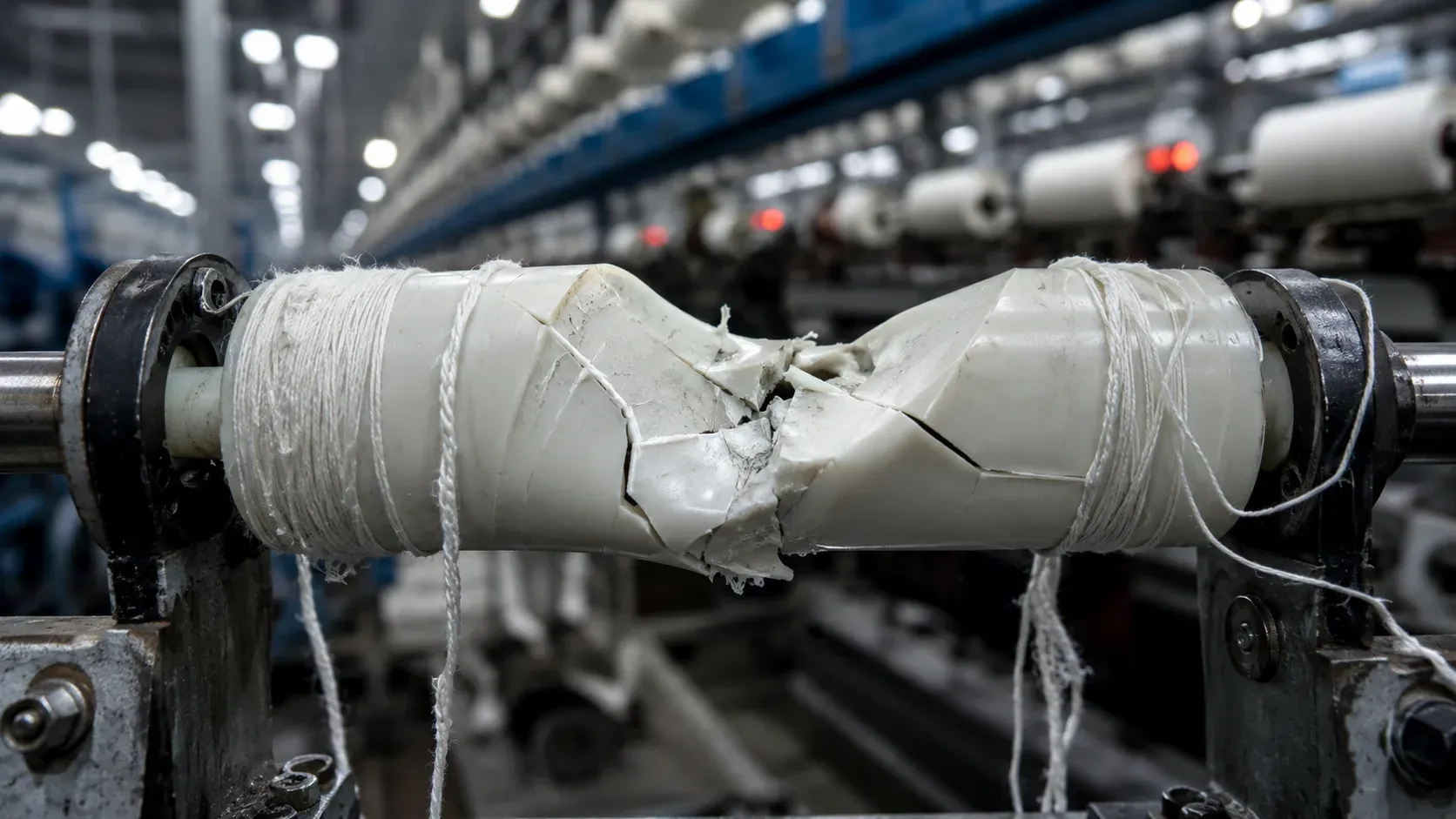
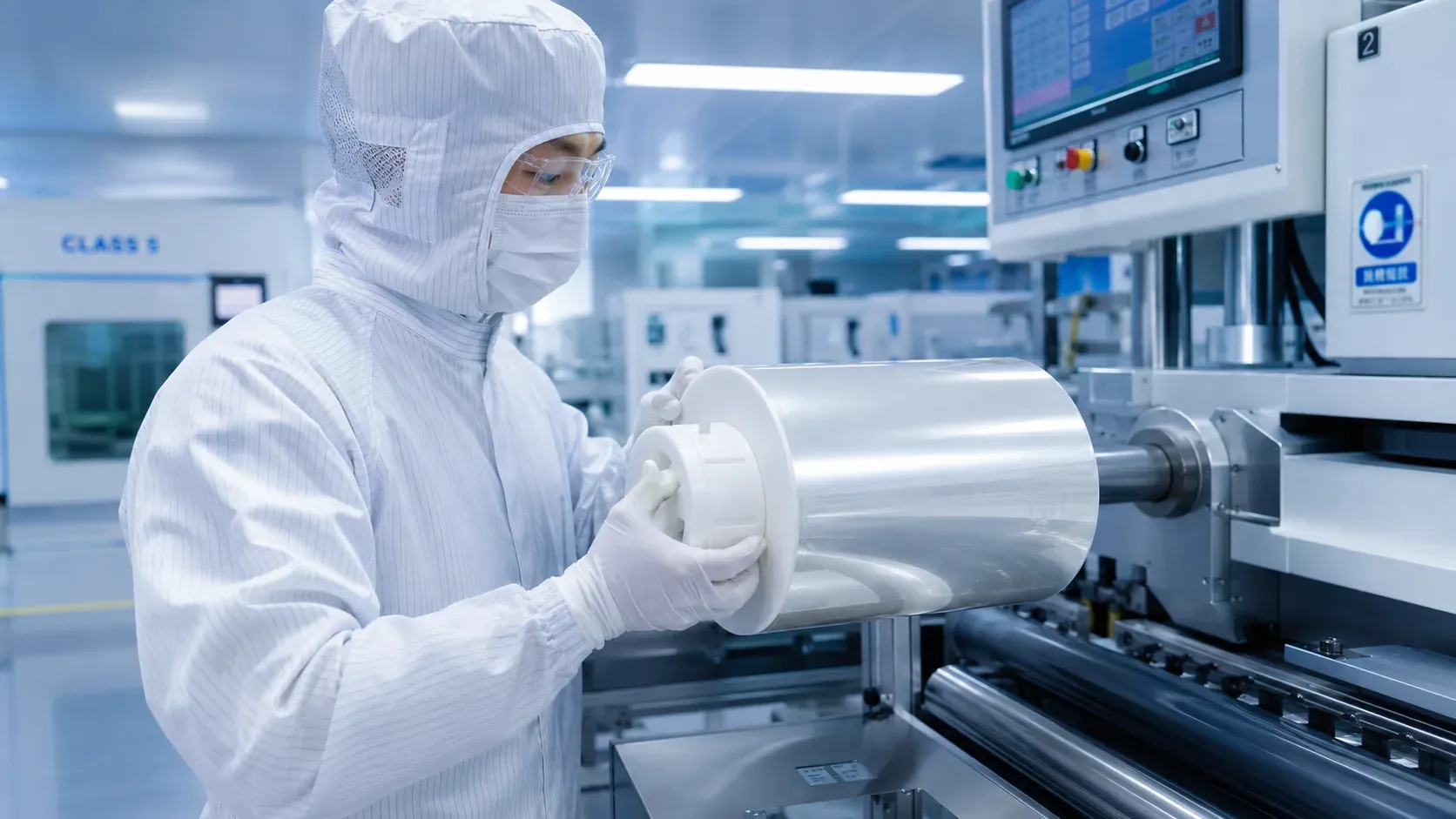
For plant managers and production supervisors in the industrial film sector, maximizing yield and minimizing downtime are daily battles. While much attention is given to the extrusion and slitting machines, the foundation of your finished product is often overlooked: the winding core. Choosing the wrong material can lead to core crushing, starring (wrinkling) in the inner layers of the film, and catastrophic roll failures during transit.
Today, we will settle the ultimate debate on the factory floor: ABS vs. PVC cores. Which material truly protects your bottom line during high-tension industrial film winding?
1. Understanding PVC Winding Cores: The Traditional StandardPolyvinyl Chloride (PVC) has been a staple in the packaging industry for decades. It is widely accessible and serves as a step up from traditional paper cores, especially in environments where moisture and dust are concerns.
The Advantages of PVC
Cost-Effective: Generally, PVC has a lower initial procurement cost compared to engineering plastics.
Moisture Resistance: Unlike paper tubes, PVC will not degrade, swell, or generate dust in humid factory conditions.
The Drawbacks of PVC:
Brittleness: PVC tends to become brittle over time, especially in temperature-fluctuating environments or cold storage.
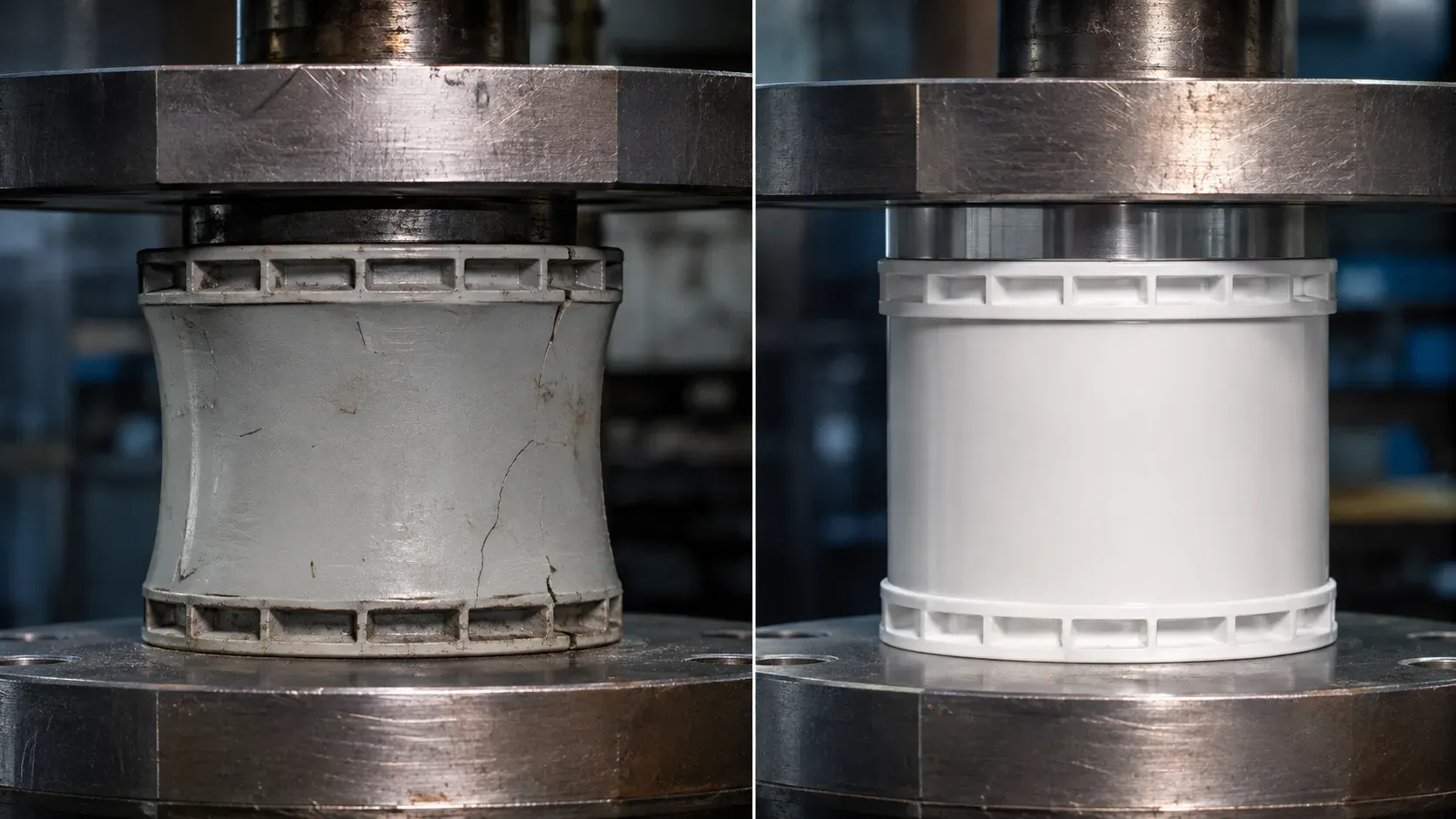
Deformation Risks: Under the extreme radial pressure of tightly wound industrial films (like PET, BOPP, or heavy stretch films), a PVC winding core can compress or turn oval. This deformation ruins the innermost meters of your film, leading to costly material waste.
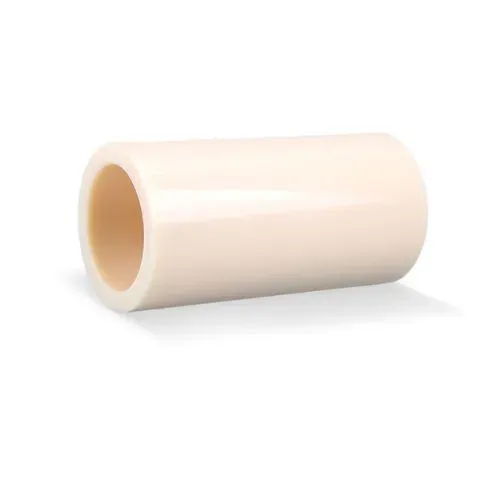
2. The Rise of ABS Plastic Cores: The High-Performance UpgradeAcrylonitrile Butadiene Styrene (ABS) is a premium engineering-grade thermoplastic. In recent years, it has rapidly become the gold standard for high-value, high-tension film winding applications.
Why ABS is the Superior Choice:
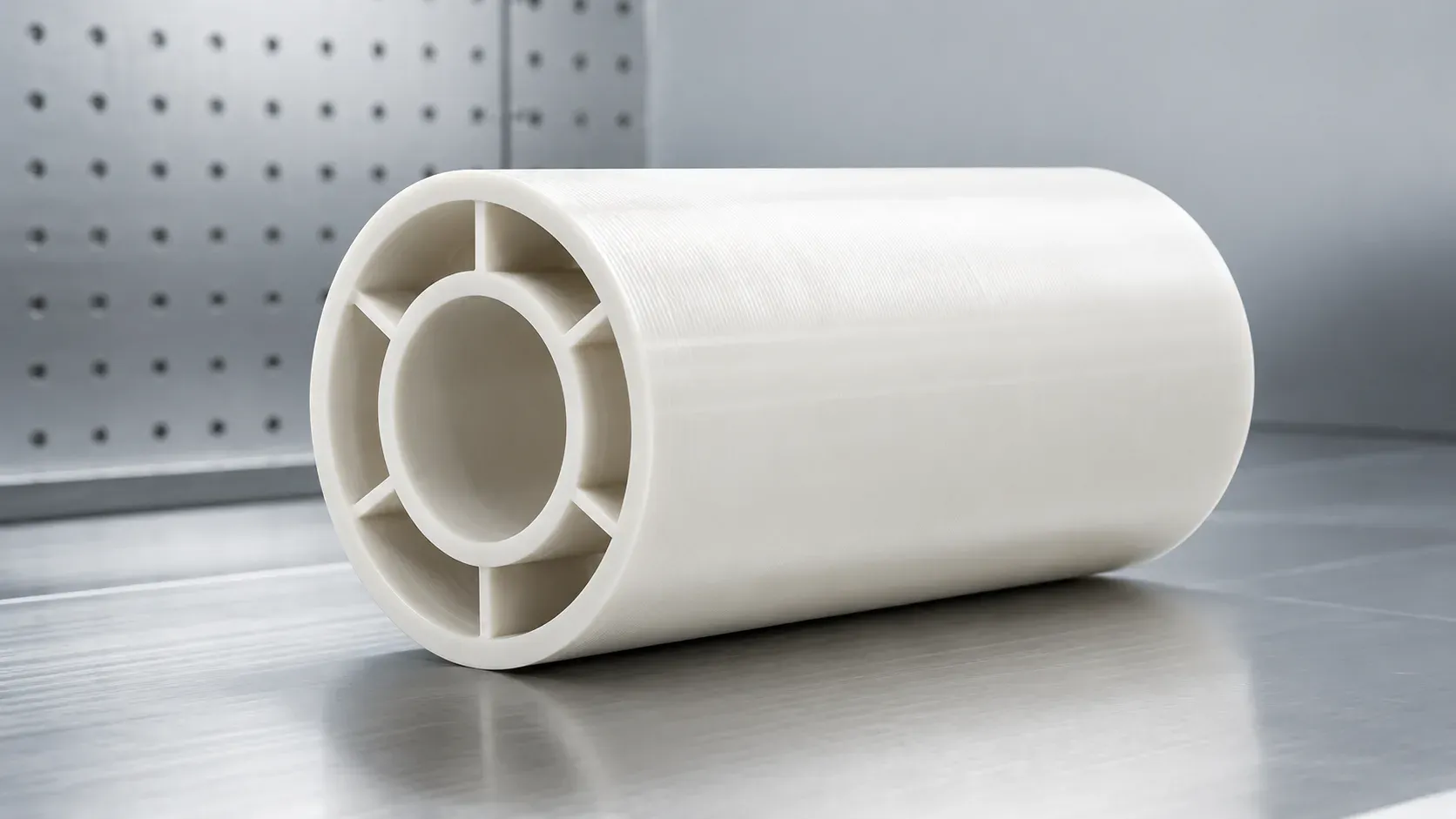
Exceptional Crush Resistance: ABS absorbs mechanical shocks and withstands massive inward radial pressure without losing its perfect cylindrical shape.
High Concentricity: ABS maintains strict dimensional stability. This ensures vibration-free operation on high-speed rewinders, preventing "telescoping" (uneven roll edges).
Long-Term Reusability: ABS does not chip or crack easily. It can cycle through your supply chain multiple times, drastically lowering your long-term consumable costs.
If your facility processes heavy-duty materials, upgrading your foundation is critical. For instance, switching to our [heavy-duty 6-inch ABS plastic cores ] engineered by D-Top Cores guarantees zero deformation even under the most extreme winding tensions. This simple upgrade ensures a 100% yield of your inner film layers and eliminates customer complaints regarding crushed rolls.
3. Data Comparison: ABS vs. PVC Physical PropertiesTo help you make atable-container ng-star-inserted">
Feature | PVC Winding Core | ABS Plastic Core |
Radial Crush Resistance | Moderate (Prone to oval deformation) | Excellent (Maintains perfect 360° cylinder) |
Impact Strength | Low (Can shatter or crack if dropped) | High (Absorbs shock effectively) |
Reusability / Lifespan | Short to Medium | Long (Highly reusable, excellent ROI) |
Initial Cost | Lower | Slightly Higher (Offset by reusability) |
Best Application | Low-tension, lightweight, single-use films | High-tension, heavy-duty industrial film winding |
4. Conclusion & Next StepsWhen it comes to industrial film manufacturing, treating your cores as cheap, disposable items is a costly mistake. While PVC might save you a few cents upfront, the hidden costs of scrapped inner-layer film and machine downtime quickly erase those savings. For high-tension, high-value applications, an ABS plastic core is undeniably the better investment, offering unmatched durability and a superior Return on Investment (ROI).
Ready to eliminate core deformation for good?If you are unsure which core specification (material, wall thickness, or diameter) fits your specific rewinding machines, we are here to help. Contact our engineering team at D-Top Cores for free technical consulting and to request sample testing. Email us today at: dingshangcores@gmail.com.