News
ABS vs. PVC Cores: Which is Better for Industrial Film Winding?
ABS vs. PVC cores for industrial film winding: Which is better? Learn why high-strength ABS cores prevent film damage, eliminate deformation, and save money.
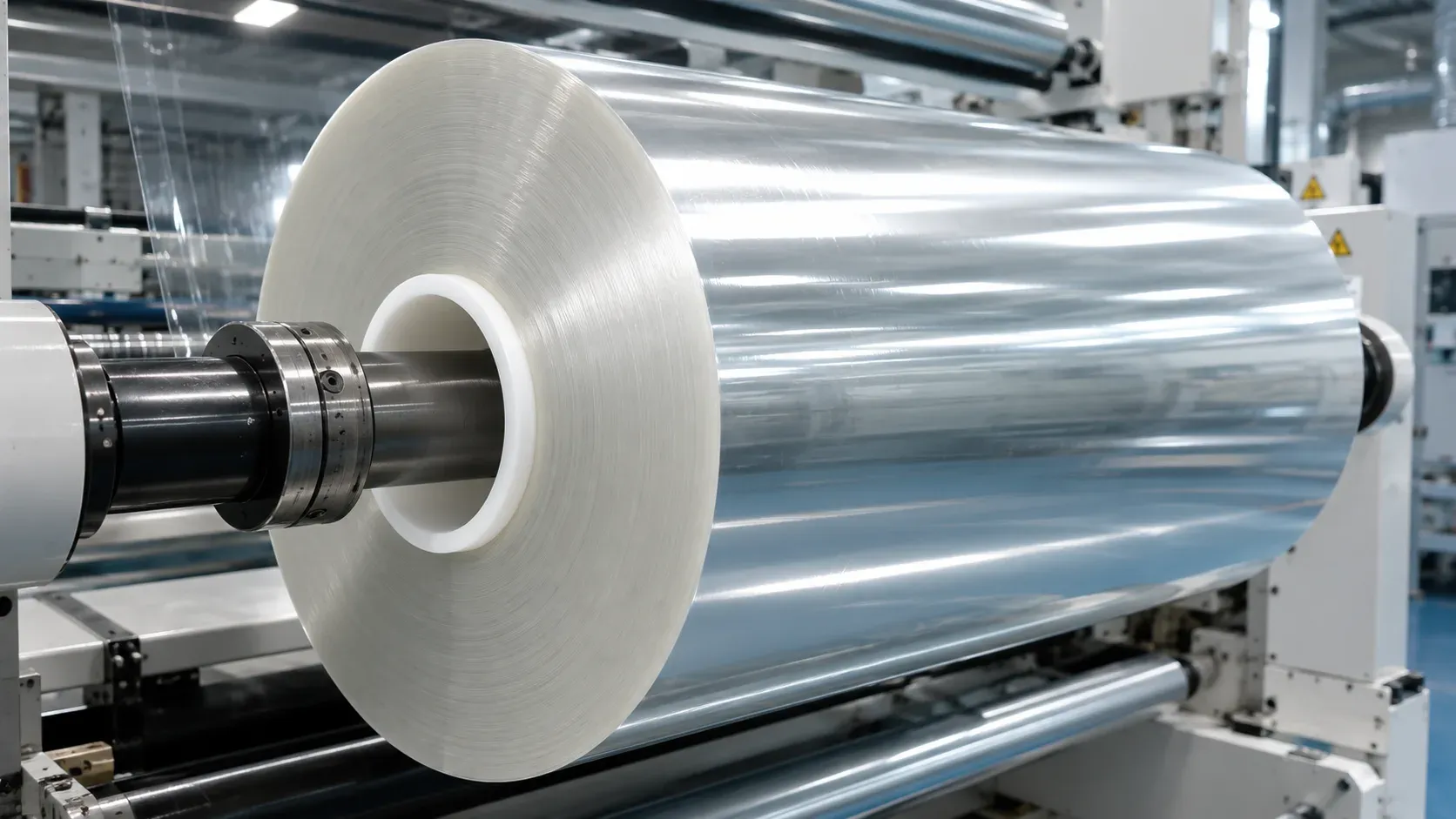
In the highly competitive industrial film manufacturing sector (BOPP, PET, optical, and specialty barrier films), every detail impacts your bottom line. One of the most critical, yet frequently debated, decisions plant managers make is choosing the right material for their winding cores.
For years, the industry has relied on standard plastics. But as winding speeds increase and film tensions grow higher, a major debate has emerged on the factory floor: ABS vs. PVC cores—which is truly the better choice for industrial film winding?
Let’s break down the engineering, the performance, and the long-term ROI of both materials to help you make the best decision for your production line.
1. PVC Cores: The Old Standard
Polyvinyl Chloride (PVC) has been used in industrial applications for decades. It is widely available and often comes with a lower initial price tag.
The Pros:
Relatively cheap upfront cost.
Better moisture resistance than paper cores.
The Cons (The Hidden Costs):
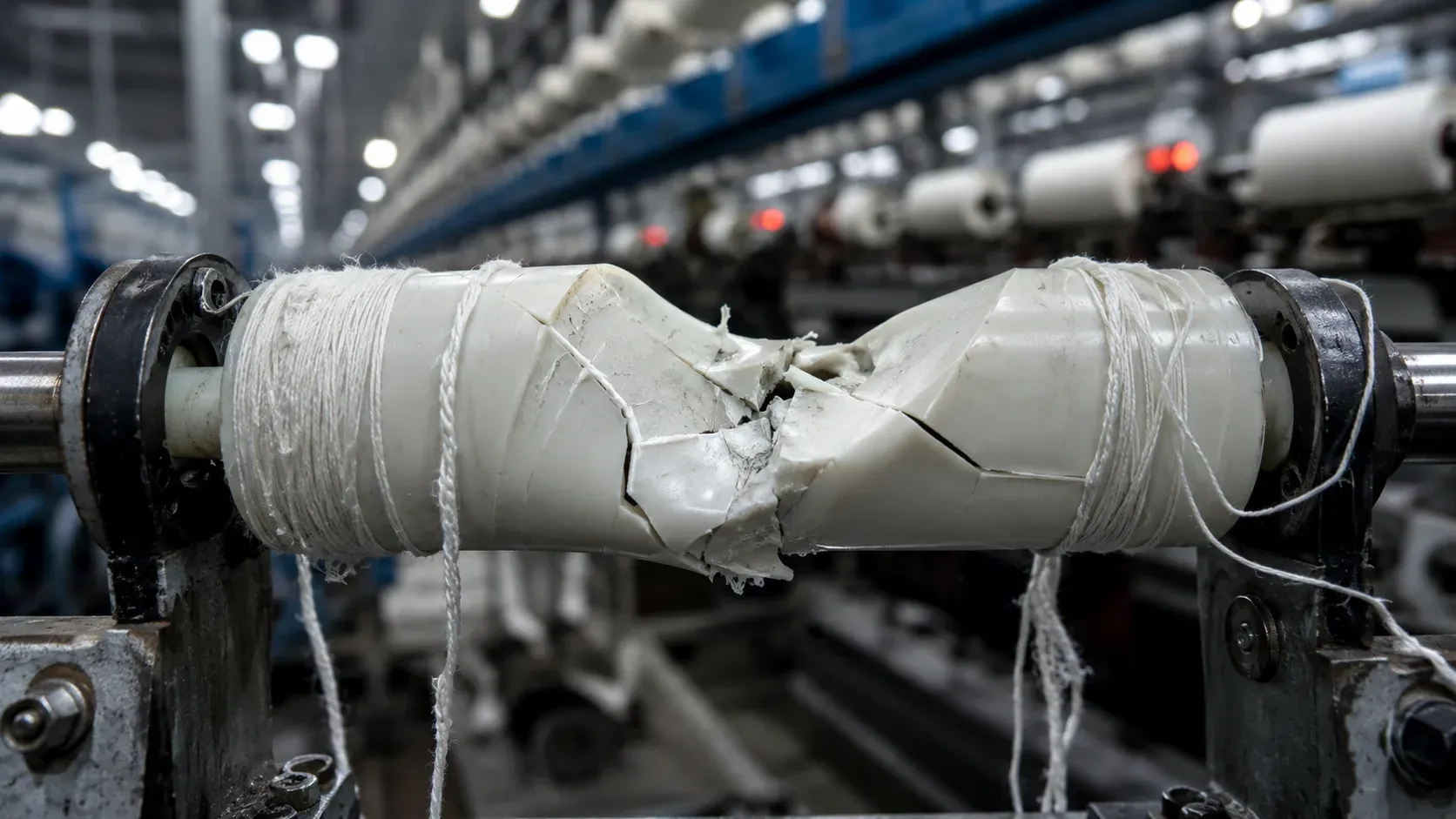
Brittleness over time: PVC has lower impact resistance. Under the immense radial pressure of tightly wound industrial films, PVC cores are prone to cracking, buckling, or snapping—especially in temperature-fluctuating environments.
Heavy and hard to handle: PVC is a dense, heavy material, making roll handling more physically demanding for your operators and increasing shipping weights.
Deformation risk: When used for high-tension films like PET, PVC often struggles to maintain its perfect cylindrical shape, leading to slight oval deformation.
2. ABS Cores: The Modern Upgrade
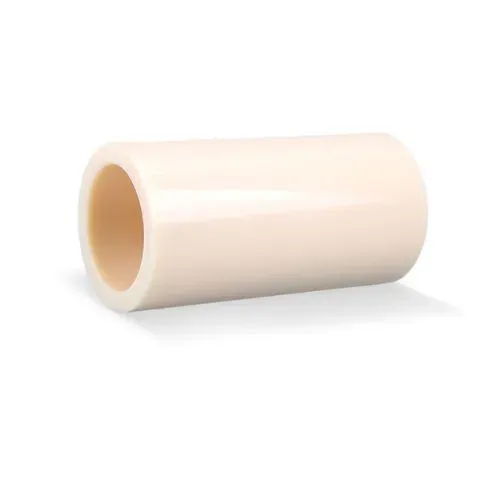
Acrylonitrile Butadiene Styrene (ABS) is a premium engineering thermoplastic known for its incredible toughness. It is increasingly becoming the gold standard for high-end film winding.
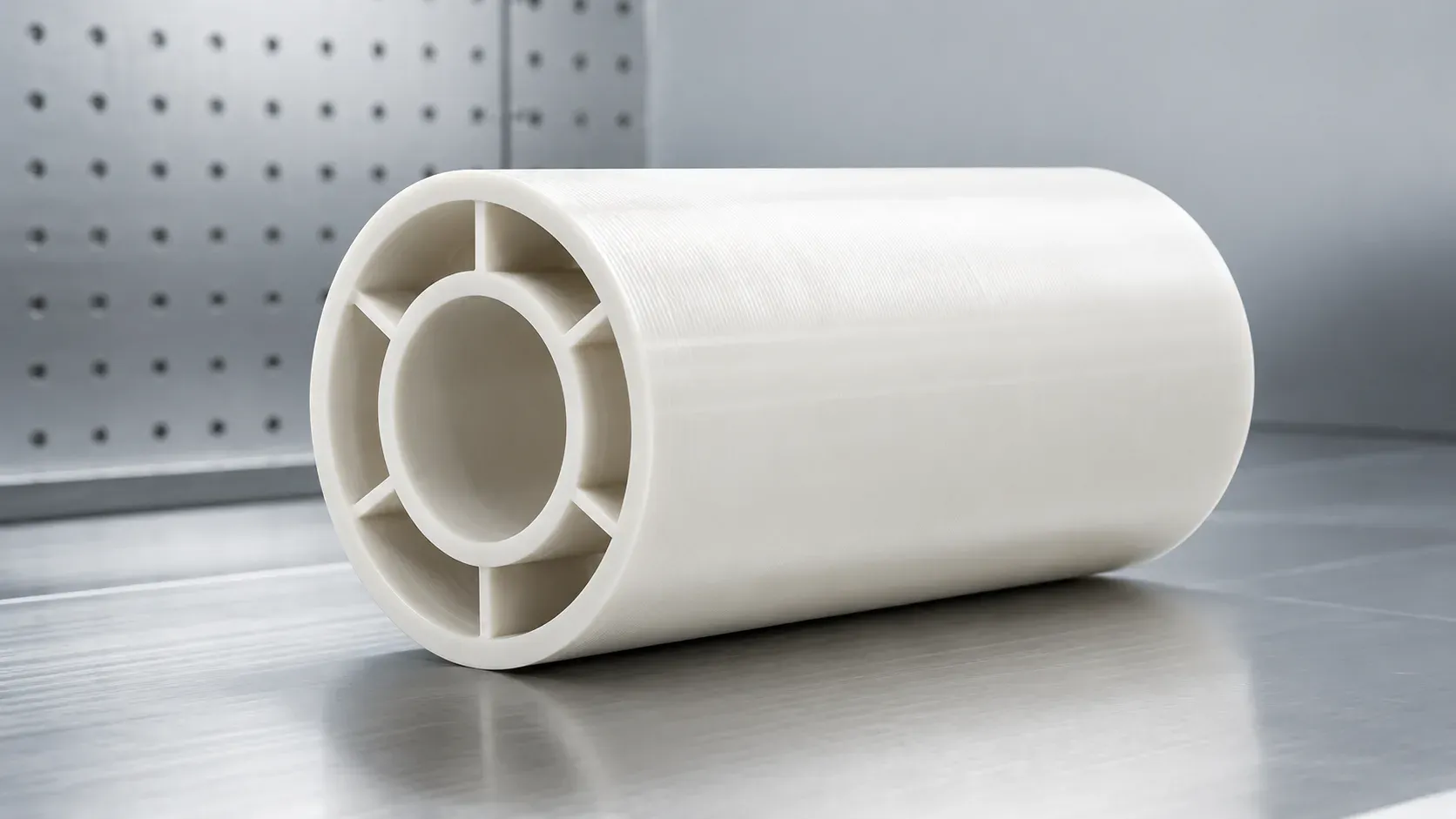
Unmatched Crush Resistance: ABS absorbs mechanical shocks and withstands extreme inward radial pressure without cracking or deforming. It maintains a perfect 360-degree cylindrical shape.
Lightweight yet stronger: Despite being lighter than PVC, ABS boasts a significantly higher strength-to-weight ratio.
Exceptional Dimensional Stability: ABS does not warp easily under factory temperature changes, ensuring strict concentricity for high-speed rewinders.
Superior Reusability: ABS cores can be reused for years without the edges chipping or the core fatiguing.
3. The Head-to-Head Showdown on the Production Line
How do these differences actually affect your film yield? Let's compare them against the most common winding problems:
Preventing Starring & Wrinkling: Winner: ABS. Because PVC can deform under pressure, it often causes "star-shaped" wrinkles in the inner layers of the film, forcing you to scrap the last 50 meters of the roll. ABS cores remain perfectly rigid, saving those inner layers and maximizing your yield.
High-Speed Winding (Concentricity): Winner: ABS. PVC cores can vibrate at high speeds due to slight manufacturing imperfections or weight imbalances. Precision-molded ABS cores offer exact straightness and balance, eliminating "telescoping" (uneven edges) during winding.
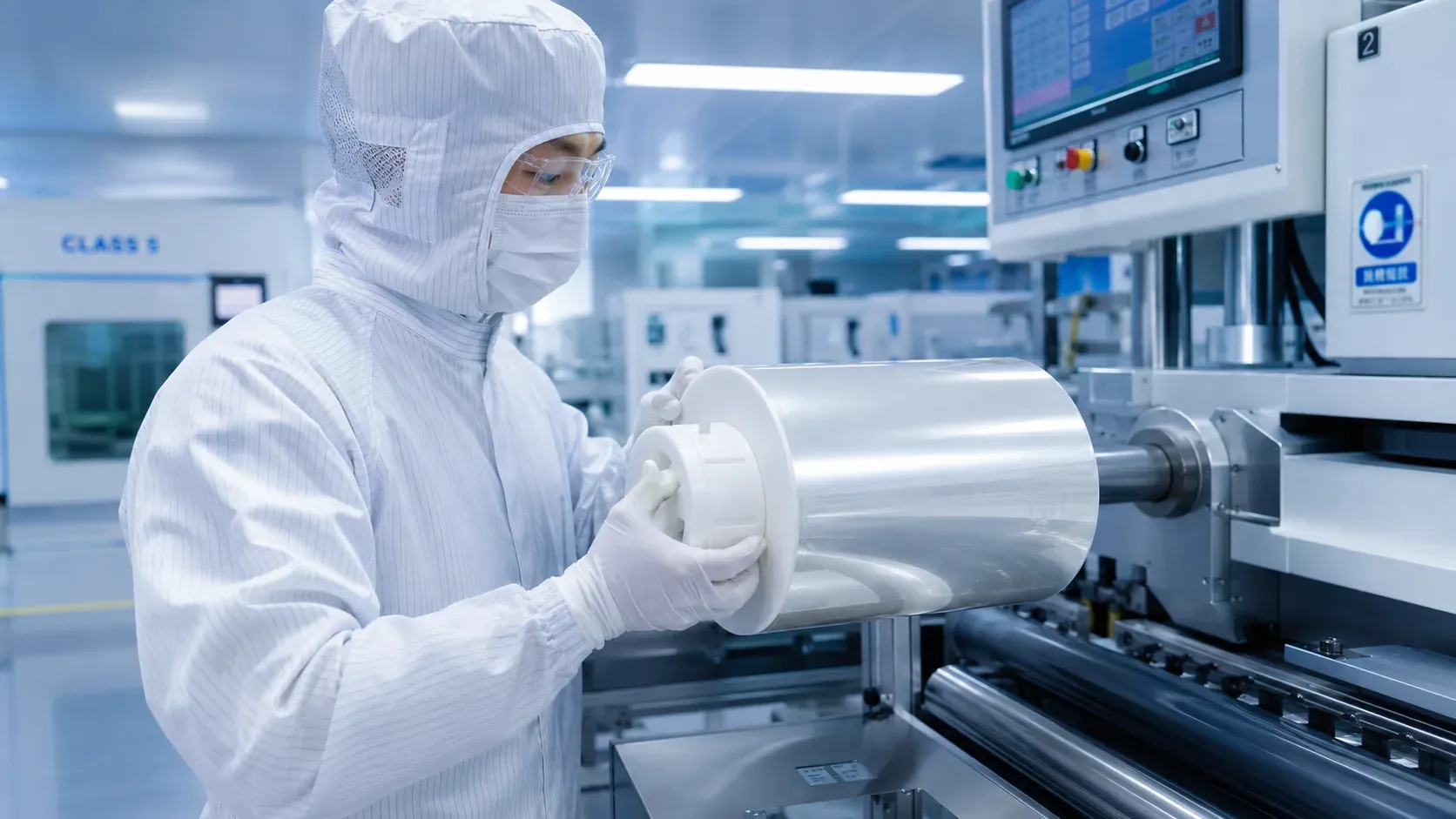
Cleanliness & Surface Finish: Winner: ABS. PVC can sometimes have rougher finishes or chemical outgassing over time. ABS provides an ultra-smooth, premium surface that won't scratch optical or food-grade films.
4. The Final Verdict: Which is Better?
If you are winding low-tension, low-value materials and treating cores as cheap, single-use items, PVC might suffice.
However, if you are winding high-value industrial films (like PET, BOPP, or optical films) where inner-layer waste, machine downtime, and precise tension control are critical, ABS is undeniably the superior choice.
While an ABS core might have a slightly higher initial cost, its true reusability and its ability to prevent thousands of dollars in film waste make its long-term ROI far better than PVC.
Ready to upgrade your winding process?Stop losing money to brittle, easily deformed cores. Contact our engineering team today to request a quote and a sample of our heavy-duty ABS cores. Experience the zero-deformation difference on your own production line.