News
A Guide to Selecting plastic cores Materials for Electronic Thin Film Wrapping
Select the best plastic core materials (PE, HIPS, ABS, FRP) for electronic thin film winding to prevent telescoping and ensure cleanroom compliance.
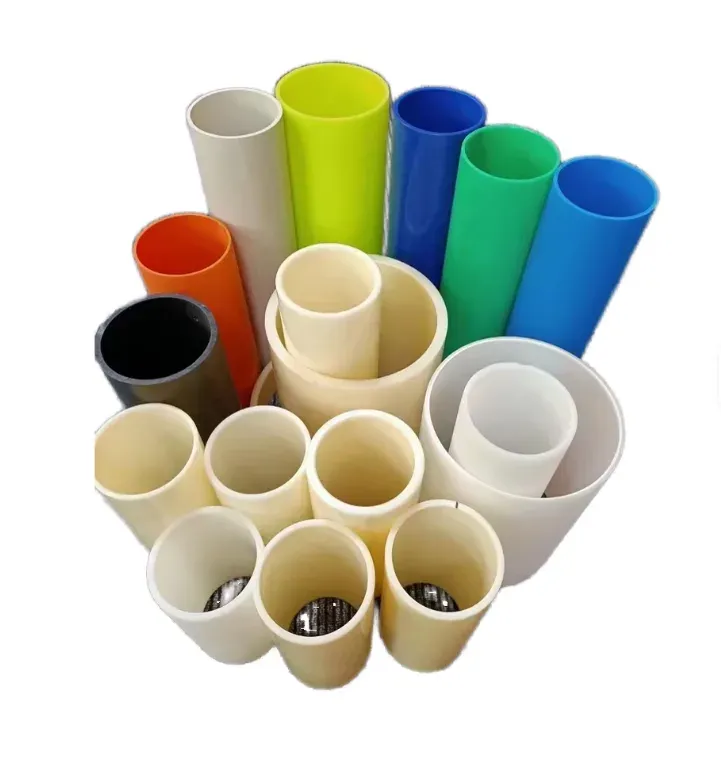
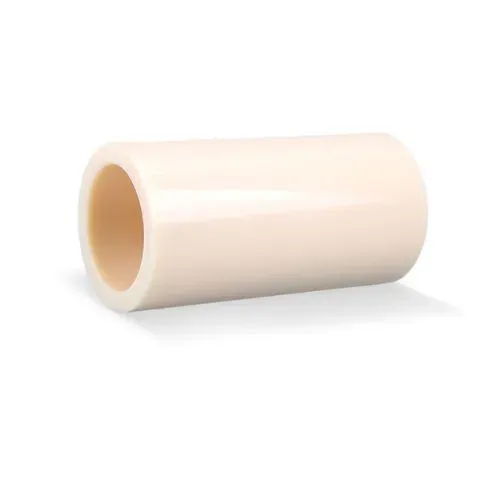
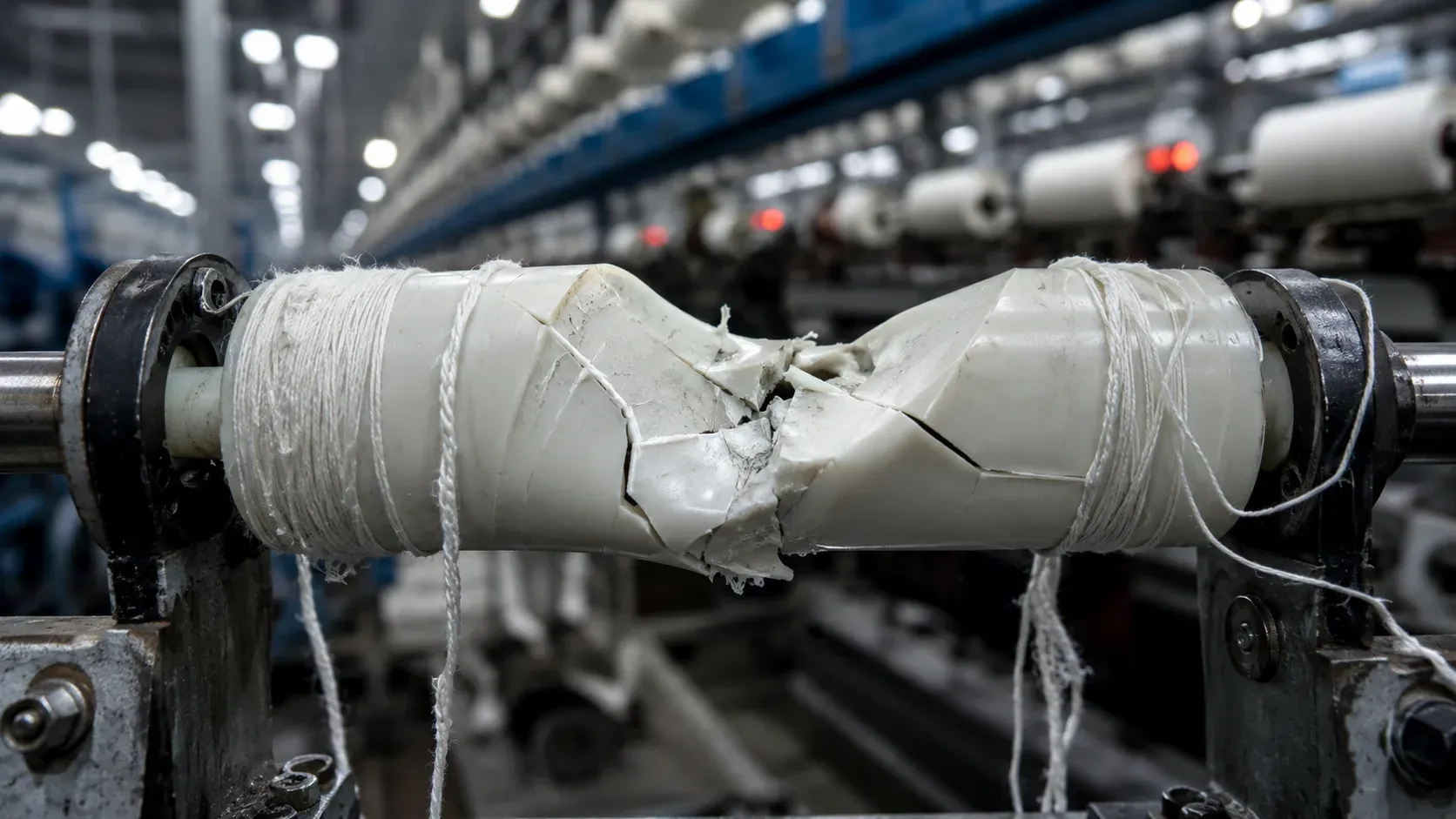
During the high-speed winding of electronic thin films, engineers are frequently troubled by issues like telescoping, inner-layer wrinkling, and surface contamination. Often, the root cause lies not in the film itself, but in the foundation it is wrapped around: the winding core.
For R&D and process engineers handling high-value products like optical films, lithium battery separators, and flexible printed circuit (FPC) substrates, choosing the right core material is a critical engineering decision. There is no one-size-fits-all solution.
Here is a comprehensive evaluation framework to help you select the exact plastic core material tailored for your sensitive thin film applications.
1. Evaluation Benchmarks: Three Core Engineering MetricsBefore comparing specific plastics, we must establish the three non-negotiable metrics for electronic film winding:
Dimensional Stability & Rigidity: Under high-speed, high-tension winding, weak materials will deform. This causes film relaxation or inward core collapse. Engineers must evaluate the Young’s modulus and creep resistance of the core.
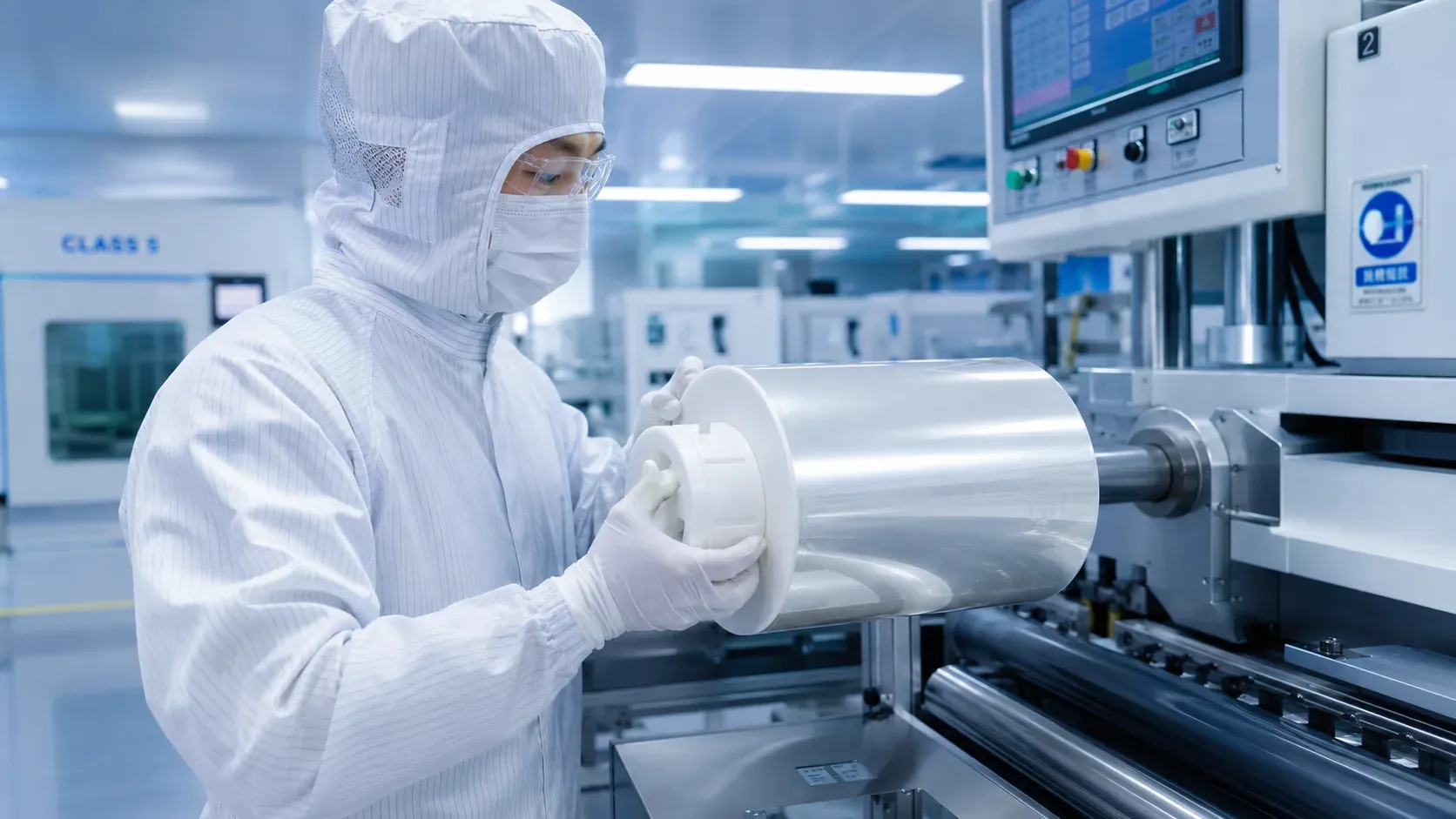
Surface Properties & Cleanliness: For optical-grade or semiconductor-grade films, particulate contamination means instant product rejection. The core must have optimal surface energy and generate absolutely no dust or debris.
Machining Precision & Tolerance: A superior material is useless without precise manufacturing. To maintain the dynamic balance of automated rewinding equipment, the core must maintain strict straightness and concentricity tolerances (e.g.,
±0.1mm±0.1mm).
2. Analysis of Common Winding Materials (PE vs. HIPS)For standard cleanroom applications, two materials dominate the entry-level market:
High-Density Polyethylene (HDPE/PE):
Advantages: Excellent toughness, strong chemical resistance, and low cost. When produced in a cleanroom, it delivers outstanding dust-free cleanliness.
Disadvantages: PE lacks high rigidity. It is unsuitable for ultra-high-tension winding as it may compress.
Best For: Protective films and release films where cleanliness is critical, but tension is moderate.
High-Impact Polystyrene (HIPS):
Advantages: Offers superior rigidity and dimensional stability compared to PE. It maintains a very smooth surface and stable operation on high-speed equipment.
Disadvantages: HIPS is more brittle (less tough) than PE and can perform poorly if exposed to certain chemical solvents.
Best For: General optical films and standard electronic packaging.
3. High-Performance Showdown: ABS vs. FRPWhen winding high-value, high-tension films, standard plastics hit their limits. You must upgrade to high-performance engineering materials:
Acrylonitrile Butadiene Styrene (ABS):
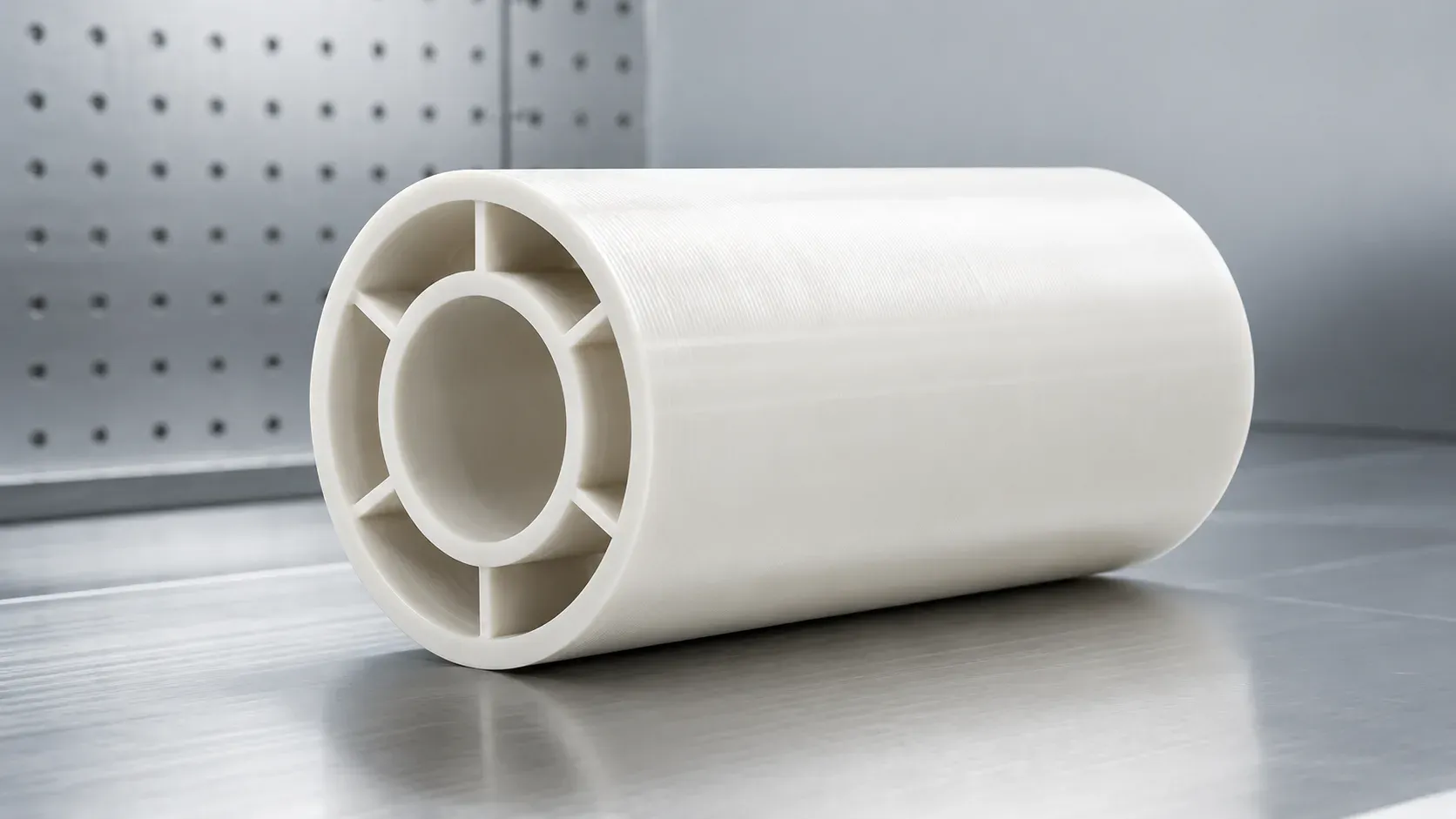
The Balanced Powerhouse: ABS offers exceptional overall performance, combining high flexural strength, extreme rigidity, and long-term reusability. Crucially, ABS offers excellent creep resistance, maintaining perfect geometric stability even when the wound film requires extended storage.
The D-Top Upgrade: For demanding applications, engineers trust the [heavy-duty ribbed ABS plastic cores - Heavy-Duty 6-Inch ABS Plastic Cores for High-Tension Industrial Windinghttps://www.d-topcores.com/ABS_CORES-15/38.html] precision-engineered by D-Top Cores to ensure zero deformation for lithium battery separators and FPC base films.
Fiberglass Reinforced Plastic (FRP):
The Extreme Tension Solution: FRP composites offer metal-like rigidity with almost zero deformation under immense pressure.
Best For: Heavy copper foil winding for EV batteries, where any core compression results in scrapped foil.
4. Material Comparison MatrixTo simplify your selection process, use this quick reference guide:
Core Material | Rigidity / Crush Resistance | Cleanliness (Dust-Free) | Relative Cost | Typical Electronic Applications |
PE | Low | High | Low | Protective films, release films |
HIPS | Medium | Medium-High | Medium | Optical films, general electronic films |
ABS | High | High | Medium-High | Lithium battery separators, FPC substrates |
FRP | Very High | High | High | Ultra-thin Copper foil, extreme-tension films |
5. Conclusion: No "Best," Only "Most Suitable"Choosing a core material is a systematic process that requires analyzing your specific film properties, winding tension, and cleanroom requirements. Finding a supplier capable of consistently delivering precise machining tolerances is just as important as the resin itself.
Is your R&D team struggling with film telescoping or wrinkling?Do not let an inferior core ruin a premium film. Contact our application engineers at D-Top Cores today. We can provide detailed technical data sheets and custom sample cores to help you resolve complex winding challenges. Email us at: dingshangcores@gmail.com.