Industry Information
Choosing the Right Plastic Core Material for Your Industrial Films: ABS vs. PE vs. PVC
Compare ABS, PE, and PVC plastic cores for industrial film winding. Learn which material offers the best crush resistance, surface finish, and ROI.
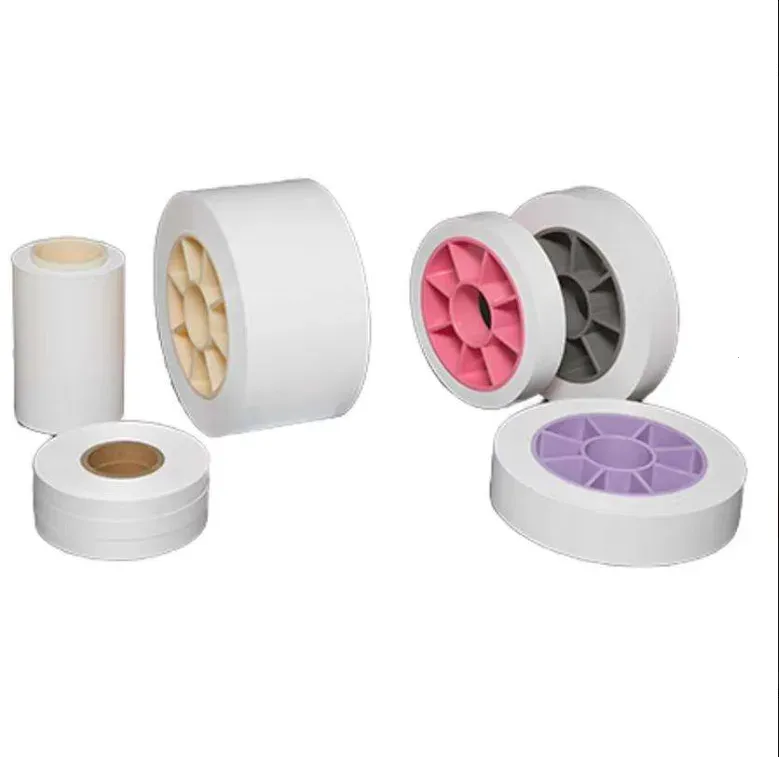
In the world of industrial film production, the plastic winding core is often an unsung hero. It is not just a simple tube; it is a critical engineering component that directly impacts the quality of your finished product, the efficiency of your winding process, and your overall cost-effectiveness.
Selecting the optimal core material—whether ABS, PE, or PVC—can be a complex decision. Choosing incorrectly can lead to core crushing, film telescoping, or chemical contamination. This guide will demystify these three key materials and help you select the perfect foundation for your specific industrial film applications.
1. Understanding the Key Materials: ABS, PE, and PVC
Before matching a core to your production line, you must understand the inherent physical properties of the base resins.
ABS (Acrylonitrile Butadiene Styrene): The High-Performance Standard
Strengths: Known for its exceptional impact resistance, extreme rigidity, and flawless dimensional stability. ABS provides an ultra-smooth surface finish, which is crucial for delicate films. It withstands massive radial pressure without deforming.
Considerations: Generally carries a higher initial procurement cost than PE and PVC, though its long-term reusability offers a superior ROI.
PE (Polyethylene): The Flexible & Chemical-Resistant Option
Strengths: Offers outstanding chemical resistance and good impact strength, especially in low-temperature (cold storage) environments. PE (particularly HDPE) is lightweight, highly flexible, and very cost-effective.
Considerations: PE is softer than ABS. Under very high winding tension, it is prone to oval deformation or compression. Its surface is also slightly less smooth than premium ABS.
PVC (Polyvinyl Chloride): The Rigid Budget Choice
Strengths: Provides good baseline rigidity, excellent flame retardancy, and is highly cost-effective for general-purpose winding.
Considerations: PVC can become brittle and crack at low temperatures. It also has lower resistance to certain organic solvents compared to PE.
2. Matching Material to Your Application Needs
The "best" material depends entirely on your specific film type and winding tension. Here is a breakdown by common industrial applications:
High-Tension Applications (Lithium Battery Separators, Heavy Stretch Films):
Recommended: ABS
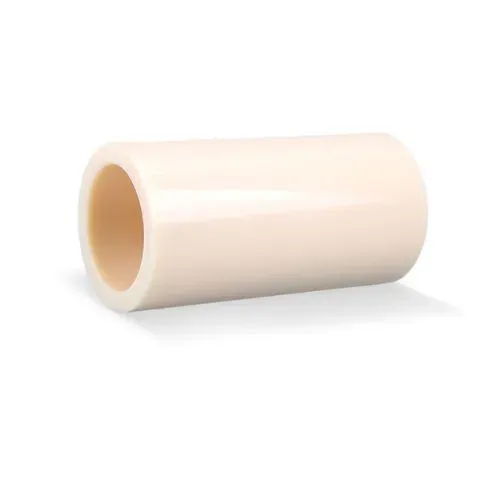
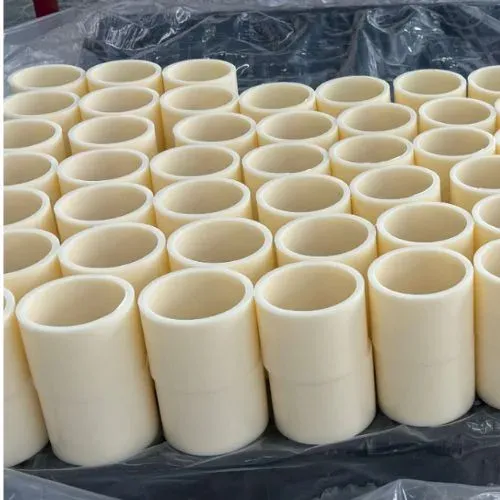
Why: These films demand exceptional core strength to prevent crushing under extreme inward pressure. Upgrading to [heavy-duty ABS plastic cores - https://www.d-topcores.com/ABS_CORES-15/17.html] engineered by D-Top Cores ensures zero deformation, strict concentricity, and a pristine surface that won't scratch sensitive separator films.
General Packaging Films (Standard Stretch Wrap, Shrink Film, BOPP)
Recommended: PE (HDPE) or PVC
Why: For standard packaging, HDPE and PVC offer a great balance of performance and cost. HDPE provides chemical resistance, while PVC offers economical rigidity.
Optical Films and Sensitive Electronic Films:
Recommended: Virgin ABS or High-Purity PE
Why: These films are extremely sensitive to surface imperfections and dust. Virgin ABS provides a smooth, non-porous, cleanroom-ready surface to ensure zero defects.
Industrial Tapes (Adhesive and Masking Tapes):
Recommended: Flexible Choice (PE, PVC, or ABS)
Why: PE is cost-effective for standard tapes; PVC prevents slippage; ABS is required for heavy-duty, large-diameter tape rolls demanding long-term storage stability.
3. Material Comparison MatrixTo simplify your procurement decision, compare the core materials across these critical engineering metrics:
Feature / Metric | ABS Plastic Cores | PE (HDPE) Cores | PVC Winding Cores |
Rigidity & Crush Resistance | Exceptional (Best for high tension) | Low to Moderate | Moderate to High |
Impact Strength (Toughness) | High | High (Excellent in cold) | Low (Can become brittle) |
Surface Smoothness | Ultra-Smooth (Optical grade) | Moderate | Moderate |
Chemical Resistance | Good | Excellent | Good |
Relative Cost | Premium | Economical | Economical |
(注:将此表格直接复制粘贴到后台编辑器,格式会自动排好)
4. Beyond Material: Other Critical FactorsSelecting the right resin is only the first step. To guarantee winding success, you must also specify the correct Wall Thickness (thicker walls mean greater crush resistance) and demand strict Machining Tolerances (concentricity) from your supplier to ensure vibration-free high-speed winding.
Conclusion & Next StepsChoosing the right plastic core material is a direct investment in the quality and efficiency of your industrial film production. While PE and PVC offer excellent cost-effective solutions for general needs, ABS remains the undisputed champion for high-tension, high-performance applications requiring superior strength and precision.
Not sure which material or wall thickness your film requires?Let our experts help you optimize your winding process. Contact the engineering team at D-Top Cores today for a free material consultation and custom sample testing. Email us at: dingshangcores@gmail.com.